
Using Humidifiers and Air Purifiers with Rhinitis
Humidifiers and air purifiers can change indoor conditions that affect nasal comfort. This guide explains common device types, practical placement, cleaning, and potential drawbacks.
In brief
Practical tips for choosing and maintaining humidifiers and air purifiers to support nasal comfort at home and work. Simple steps and cautionary notes to consider.
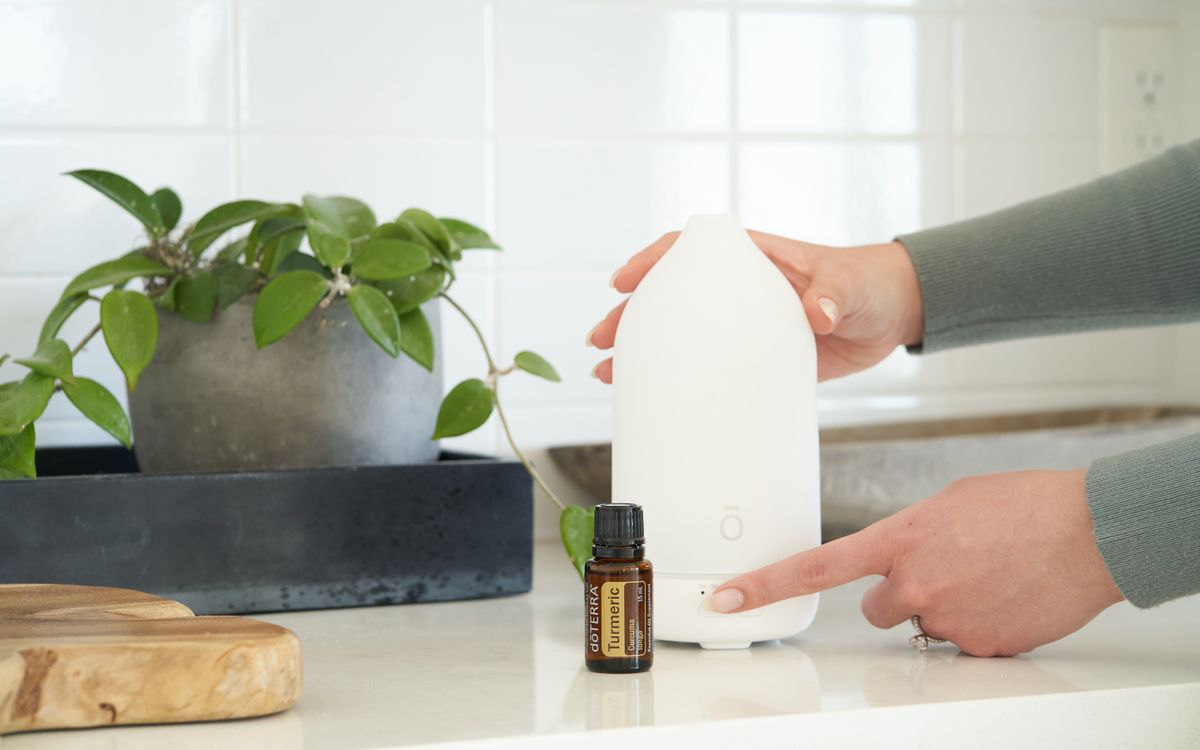
Photo by doTERRA International, LLC on Pexels
Indoor humidity and airborne particles can influence how your nose feels day to day. Humidifiers and air purifiers are tools people often use to adjust those indoor factors; this article outlines how they differ and practical points to consider without making medical claims.
Humidifiers add moisture to the air and come in several kinds, such as evaporative, ultrasonic, and warm-mist models. Air purifiers typically use HEPA or activated carbon filters to remove particles and odors; some devices use different technologies that have distinct pros and cons.
Placement and use matter: keep devices where you spend time, avoid blocking airflow, and don't place units directly against walls or fabrics. In shared spaces like offices, consider devices that are sized for the room and be mindful of noise and power needs.
Routine maintenance is important for safety and performance. Regularly follow the manufacturer’s instructions for cleaning, empty standing water, and replace or clean filters on schedule to reduce buildup of dust, mold, or bacteria.
There can be downsides: excess indoor moisture can encourage mold growth, and some air-cleaning technologies produce ozone or byproducts that some people prefer to avoid. Consider ventilation and simple measures like dust control alongside any device, and consult a trusted source if you have questions about choosing or using a specific unit.
Daily articles
Subscribe for daily reads and jump into the latest article now.
Receive RhinitisRank articles by text message and email each day, then head straight to the article library whenever you want a deeper read.

Fresh reading
Educational reads for flare-ups, patterns, and next steps.
Related reading
More articles in this topic cluster
Continue with nearby rhinitis questions, symptom patterns, and follow-up reading.

Using Air Cleaners and Humidifiers with Rhinitis
Practical points for choosing, placing, and caring for air purifiers and humidifiers to support indoor comfort with rhinitis, without medical advice or claims.

Humidifiers, Purifiers, and Ventilation: Indoor Air Tips for Rhinitis
Practical, non-prescriptive pointers on using humidifiers, purifiers, and ventilation to manage indoor triggers. Focus on placement, cleanliness, and sensible use.
Managing Rhinitis During Home Renovation: Practical Tips
Renovations can release dust, paint fumes, and other irritants linked to rhinitis flare-ups. Learn practical steps for planning, containment, and post-work cleanup to limit exposure.
Archive
Back to the article hub
Browse more RhinitisRank articles and long-tail education pages.
OpenPractical tools
Move into practical resources
Open tools like the trigger diary, checklists, and visit-prep resources.
OpenQuick assessment
Take the rhinitis quiz
Turn symptoms into a clearer starting point before your next appointment.
Open