
Using Air Cleaners and Humidifiers with Rhinitis
Portable air devices are commonly used to adjust indoor air and comfort for people with rhinitis. This article outlines practical points to weigh when selecting, locating, and maintaining these devices.
In brief
Practical points for choosing, placing, and caring for air purifiers and humidifiers to support indoor comfort with rhinitis, without medical advice or claims.
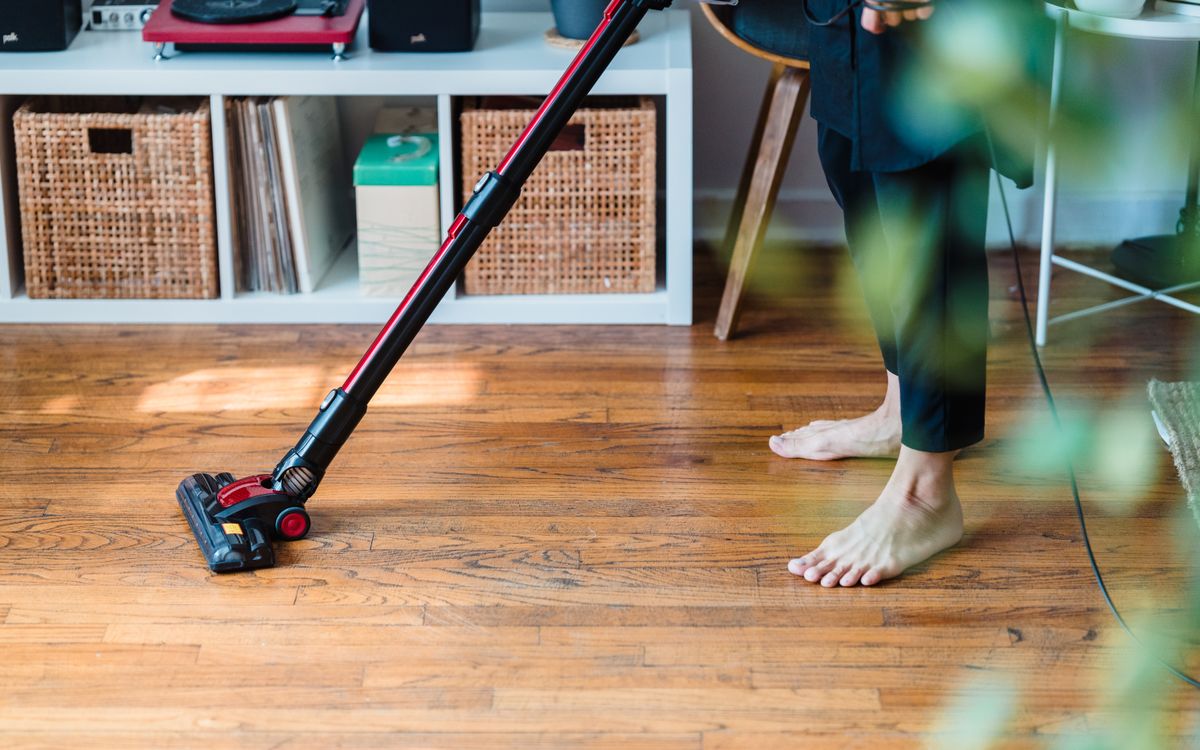
Photo by Liliana Drew on Pexels
Many people with rhinitis look to portable air devices—air purifiers, humidifiers, and dehumidifiers—to modify indoor air. These devices have different goals: some remove particles from the air, others add or remove moisture. Understanding basic differences can help when thinking about how a device might fit into daily life.
When comparing options, useful considerations include room size, noise level, filter type, and ease of maintenance. Features such as a HEPA-rated filter or an easily emptied water tank may matter differently depending on household needs and routines. Product features and performance can vary widely, so personal priorities and use patterns often guide choice.
Placement and use patterns influence effectiveness and comfort. Many people place devices in commonly used rooms and run them during times they experience more symptoms, while keeping intake and output unobstructed. Humidifiers and dehumidifiers can shift indoor moisture levels, so paying attention to whether air feels too dry or muggy may be helpful.
Routine cleaning and replacement of filters or water are frequently mentioned in device guidance because they affect performance and air quality. Following manufacturer recommendations for upkeep and replacing filters when indicated can reduce buildup and unwanted odors. If a device develops visible residue or an unfamiliar smell, additional cleaning or service may be worth considering.
Devices are one part of an indoor comfort approach that can include ventilation, dust control, and regular cleaning of soft surfaces like bedding. Observing how symptoms and comfort change with different devices, placements, or cleaning routines can help determine what feels best. If rhinitis symptoms are persistent or change unexpectedly, discussing concerns with a healthcare professional may provide more tailored options.
Daily articles
Subscribe for daily reads and jump into the latest article now.
Receive RhinitisRank articles by text message and email each day, then head straight to the article library whenever you want a deeper read.

Fresh reading
Educational reads for flare-ups, patterns, and next steps.
Related reading
More articles in this topic cluster
Continue with nearby rhinitis questions, symptom patterns, and follow-up reading.

Using Humidifiers and Air Purifiers with Rhinitis
Practical tips for choosing and maintaining humidifiers and air purifiers to support nasal comfort at home and work. Simple steps and cautionary notes to consider.
Managing Rhinitis During Home Renovation: Practical Tips
Renovations can release dust, paint fumes, and other irritants linked to rhinitis flare-ups. Learn practical steps for planning, containment, and post-work cleanup to limit exposure.

Managing Rhinitis During Home Renovations and Repairs
Renovations bring common rhinitis triggers like dust and paint fumes. Learn general strategies for planning, ventilation, cleaning, and communicating with contractors.
Archive
Back to the article hub
Browse more RhinitisRank articles and long-tail education pages.
OpenPractical tools
Move into practical resources
Open tools like the trigger diary, checklists, and visit-prep resources.
OpenQuick assessment
Take the rhinitis quiz
Turn symptoms into a clearer starting point before your next appointment.
Open