
Humidifiers, Purifiers, and Ventilation: Indoor Air Tips for Rhinitis
Small changes to indoor air can influence daily comfort for people with rhinitis. This guide explains humidifiers, air purifiers, ventilation, and basic upkeep in plain language.
In brief
Practical, non-prescriptive pointers on using humidifiers, purifiers, and ventilation to manage indoor triggers. Focus on placement, cleanliness, and sensible use.
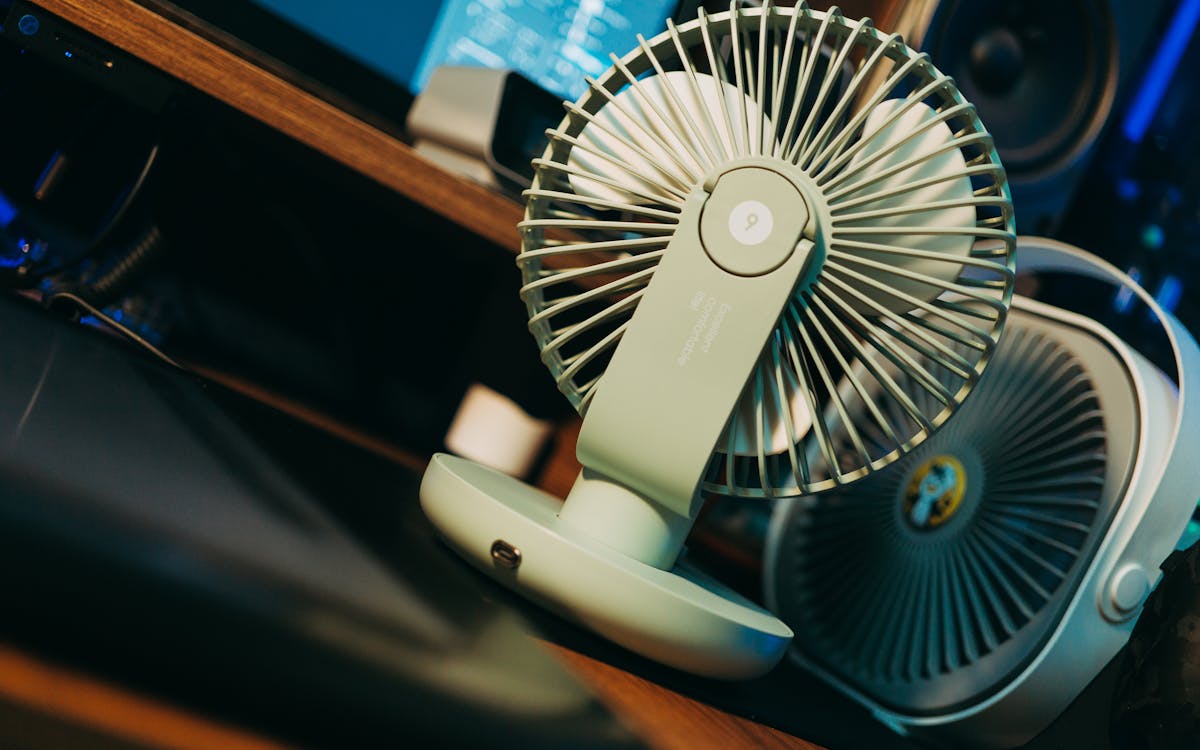
Photo by FOX ^.ᆽ.^= ∫ on Pexels
Indoor air quality involves several factors people with rhinitis often notice: humidity, airborne particles, and how air moves through a space. Paying attention to these elements can help you make choices about devices and routines that affect daily comfort.
Humidity affects comfort for many people. Very dry air can feel irritating, while overly damp air can encourage dust mites or mold growth. Humidifiers can add moisture, but they require regular cleaning and careful use so they don’t become a source of particles or biological growth.
Air purifiers that include HEPA or high-efficiency filters can reduce airborne particles in a room. Placement matters: running a purifier in the room where you spend the most time and keeping nearby doors and vents arranged to direct airflow toward the unit can help it work more effectively. Follow the device’s guidance on when to run it and when to change filters.
Good ventilation balances bringing fresh outdoor air in and removing indoor pollutants. Using exhaust fans for cooking or showering, periodically airing rooms when outdoor air quality is favorable, and avoiding stagnant air can change how triggers move through a home. At the same time, opening windows during high pollen or pollution times may introduce outdoor triggers, so timing and local conditions are worth considering.
Maintenance and simple monitoring are often the most practical steps: empty and clean humidifier reservoirs regularly, replace purifier filters per manufacturer suggestions, and check vents and fans for dust. Small habits—like placing devices where they won’t blow directly on your face and keeping the area around them clear—can improve performance. If indoor air changes don’t help comfort, consider discussing next steps with a trusted healthcare or environmental professional.
Daily articles
Subscribe for daily reads and jump into the latest article now.
Receive RhinitisRank articles by text message and email each day, then head straight to the article library whenever you want a deeper read.

Fresh reading
Educational reads for flare-ups, patterns, and next steps.
Related reading
More articles in this topic cluster
Continue with nearby rhinitis questions, symptom patterns, and follow-up reading.
Improving Indoor Air to Reduce Rhinitis Triggers
Adjusting airflow, filters, humidity and cleaning routines can reduce common indoor triggers. Read simple, general strategies people with rhinitis often use to improve indoor comfort.

Using Humidifiers and Air Purifiers with Rhinitis
Practical tips for choosing and maintaining humidifiers and air purifiers to support nasal comfort at home and work. Simple steps and cautionary notes to consider.

Managing Rhinitis During Home Renovation and DIY Projects
A practical guide for people with rhinitis planning renovations or DIY work. Learn how to reduce dust and fume exposure, coordinate with contractors, and stage living spaces.
Archive
Back to the article hub
Browse more RhinitisRank articles and long-tail education pages.
OpenPractical tools
Move into practical resources
Open tools like the trigger diary, checklists, and visit-prep resources.
OpenQuick assessment
Take the rhinitis quiz
Turn symptoms into a clearer starting point before your next appointment.
Open