
Living Through Home Renovations When You Have Rhinitis
Home repairs and remodeling can stir dust, fumes, and strong odors that affect rhinitis. Practical planning and on-site strategies can help reduce irritation during the process.
In brief
Renovations often raise triggers for rhinitis like dust and paint fumes. Simple planning, containment, and cleaning steps can make the work less bothersome.
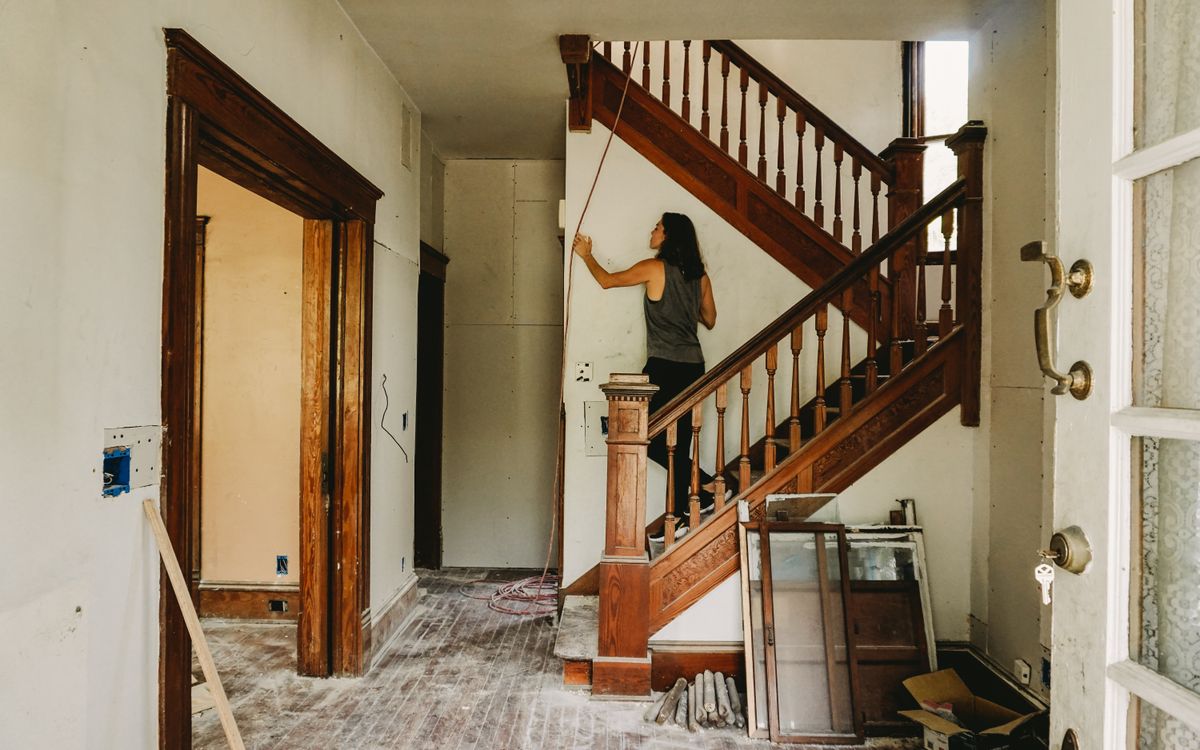
Photo by Monica Silvestre on Pexels
Renovation and repair work commonly releases dust, drywall particles, paint odors, adhesives, and cleaning-product fumes that many people with rhinitis find irritating. Recognizing which parts of a project are likely to produce the most airborne irritants can help you plan and reduce exposure.
Before work starts, consider timing and scope: schedule the dustiest tasks when you can be away or when ventilation is easiest, and discuss low-odor or low-VOC product options with contractors or suppliers. Containment strategies, such as closing off work zones and using temporary barriers, may limit how much debris spreads through the rest of the space.
During active work, ventilation and air cleaning can make a noticeable difference. Running exhaust fans, opening non-adjacent doors where safe, and using air cleaners with HEPA filtration may help reduce airborne particles. You might also consider wearing a well-fitting dust mask or respirator during visits to the site, and follow manufacturer guidance for any protective equipment.
Minimizing dust tracking and residue helps after dusty tasks are finished: wet-wiping surfaces, using a vacuum with a HEPA-rated filter, and wiping down vents and horizontal surfaces can remove settled particles. Choosing water-based, low-odor paints and adhesives when possible can reduce strong smells that may bother some people.
Communication and small practical adjustments make projects easier to tolerate: agree on work hours, ask contractors to use walk-off mats or shoe covers, and plan breaks or temporary stays elsewhere if a particular phase is especially dusty or smelly. Keep a small kit handy — tissues, saline rinse, and a change of clothes — to manage immediate discomfort during or after visits.
If irritation persists after following general exposure-reduction steps, you might consider seeking guidance from a healthcare professional to discuss next steps tailored to your situation. Thoughtful planning, clear communication, and simple control measures often reduce the most common renovation-related triggers for rhinitis.
Daily articles
Subscribe for daily reads and jump into the latest article now.
Receive RhinitisRank articles by text message and email each day, then head straight to the article library whenever you want a deeper read.

Fresh reading
Educational reads for flare-ups, patterns, and next steps.
Related reading
More articles in this topic cluster
Continue with nearby rhinitis questions, symptom patterns, and follow-up reading.
Managing Rhinitis During Home Renovation: Practical Tips
Renovations can release dust, paint fumes, and other irritants linked to rhinitis flare-ups. Learn practical steps for planning, containment, and post-work cleanup to limit exposure.

Managing Rhinitis During Home Renovations and DIY
Planning, timing and simple on-site steps can lower exposure to renovation triggers. This guide offers practical ideas to reduce dust, paint fumes and other irritants during home work.

Managing Rhinitis During Home Renovations and Repairs
Before, during and after repair work, planning and communication can help limit exposure to dust, odors and other common renovation triggers for rhinitis.
Archive
Back to the article hub
Browse more RhinitisRank articles and long-tail education pages.
OpenPractical tools
Move into practical resources
Open tools like the trigger diary, checklists, and visit-prep resources.
OpenQuick assessment
Take the rhinitis quiz
Turn symptoms into a clearer starting point before your next appointment.
Open