

Rhinitis and Home Renovations: Practical DIY Strategies
Home repair and renovation projects can release dust, fumes, and other irritants that may influence rhinitis. Learn general, non-prescriptive approaches to reduce exposure and plan work with comfort in mind.
In brief
Tackling a renovation? This guide offers cautious, practical ideas to lower contact with dust, paint fumes, and adhesives while doing DIY or supervising contractors.
Photo by DΛVΞ GΛRCIΛ on Pexels
Renovation work often stirs up particles and releases odors from paints, solvents, adhesives, and building materials. For people with rhinitis, these airborne irritants can be noticeable; understanding common sources can help you plan work in ways that may reduce exposure.
Start by identifying the most likely triggers for a given task and think about timing. Doing high-dust or high-odor steps when fewer people are home, completing them in stages, or choosing lower-odor alternatives where available are all practical considerations to limit household exposure.
Containment and airflow matter: sealing the work area, using exhaust fans or windows to move air outside, and running an air cleaner with a high-efficiency filter can help reduce suspended dust and fumes. Wearing appropriate respiratory and eye protection during dusty or fume-heavy steps is another option to consider, particularly for the person doing the work.
Cleaning and waste handling also influence ongoing exposure. Removing debris promptly, using damp cleaning methods and a vacuum with a high-efficiency filter for settled dust, and bagging or sealing waste before removal are common strategies that may lower lingering particles.
If hiring contractors, mention any sensitivity to odors or dust so they can adjust their approach and timing. Take breaks from the work area, monitor how you feel during and after tasks, and pause or change plans if you notice increased discomfort. Bringing notes about what provokes reactions can also be helpful when talking with a healthcare provider or occupational specialist if you choose to seek further guidance.
Daily articles
Subscribe for daily reads and jump into the latest article now.
Receive RhinitisRank articles by text message and email each day, then head straight to the article library whenever you want a deeper read.

Fresh reading
Educational reads for flare-ups, patterns, and next steps.
Related reading
More articles in this topic cluster
Continue with nearby rhinitis questions, symptom patterns, and follow-up reading.

Home Renovation and Rhinitis: Minimizing Dust, Fumes, and Disruption
Planning and on-site habits can lower exposure to dust, fumes, and other renovation-related triggers. Learn practical steps for before, during, and after work.
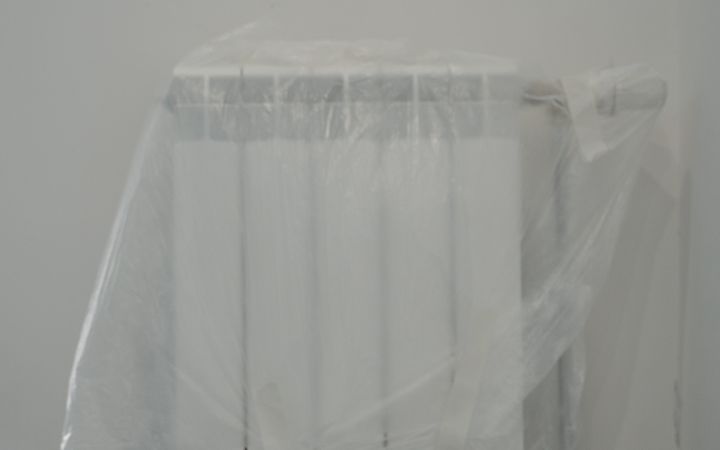
Managing Rhinitis During Home Renovation: Practical Tips
Renovations can release dust, paint fumes, and other irritants linked to rhinitis flare-ups. Learn practical steps for planning, containment, and post-work cleanup to limit exposure.
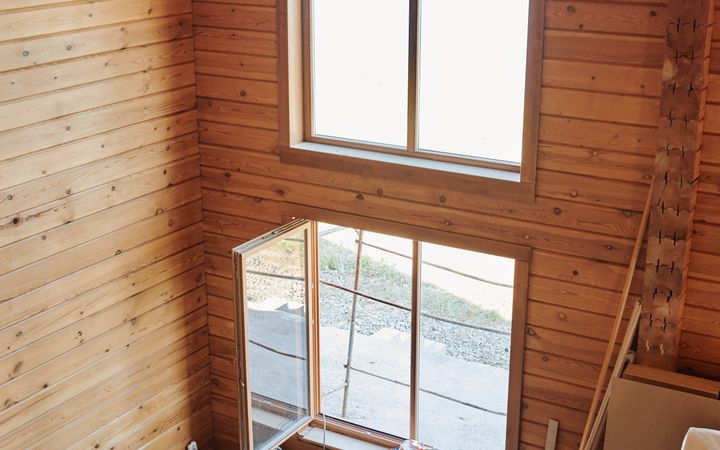
Managing Rhinitis During Home Renovations and Repairs
Renovations bring common rhinitis triggers like dust and paint fumes. Learn general strategies for planning, ventilation, cleaning, and communicating with contractors.
Archive
Back to the article hub
Browse more RhinitisRank articles and long-tail education pages.
OpenPractical tools
Move into practical resources
Open tools like the trigger diary, checklists, and visit-prep resources.
OpenQuick assessment
Take the rhinitis quiz
Turn symptoms into a clearer starting point before your next appointment.
Open