

Managing Rhinitis During Home Renovations and DIY Projects
Renovations and DIY work can stir up dust, fumes, and other common rhinitis triggers. This article outlines practical, non-prescriptive steps to reduce exposure and stay comfortable while projects are underway.
In brief
Renovations often increase dust and airborne irritants that can affect rhinitis. Learn practical planning and on-site strategies to reduce triggers during projects.
Photo by Thới Nam Cao on Pexels
Home renovations and DIY projects commonly raise airborne particles, strong odors, adhesives, and other environmental irritants. For people with rhinitis, those changes can increase nasal congestion, sneezing, or irritation. Being aware of common sources of triggers helps with planning and daily decisions around the work site.
Planning ahead can make a big difference. If possible, schedule work when you can be away or when sensitive people are not at home. Talk with contractors or neighbors about low-dust methods, sanding controls, and low-VOC materials so choices reflect comfort concerns as well as budget and timeline.
On-site strategies that reduce spread include isolating the work area, increasing ventilation, and using targeted exhaust if available. Portable air purifiers with appropriate filtration and opening doors to create cross-ventilation may lower airborne dust and odors. Limiting time in the immediate work zone and changing out of dusty clothes can also reduce ongoing exposure.
Regular cleaning during and after work helps keep settled dust from becoming a long-term problem. Techniques that trap dust (such as damp wiping and vacuuming with a HEPA-rated vacuum) tend to move particles out of the air rather than stirring them up. Leave finished areas free of debris and wipe down surfaces before resuming normal use.
People vary in how they experience and respond to renovation triggers. Some find that simple comfort measures are enough, while others prefer to be away for high-dust activities. If symptoms are persistent or concerning during projects, consider discussing options with a health professional or the contractor to find practical adjustments that balance progress and comfort.
Daily articles
Subscribe for daily reads and jump into the latest article now.
Receive RhinitisRank articles by text message and email each day, then head straight to the article library whenever you want a deeper read.

Fresh reading
Educational reads for flare-ups, patterns, and next steps.
Related reading
More articles in this topic cluster
Continue with nearby rhinitis questions, symptom patterns, and follow-up reading.
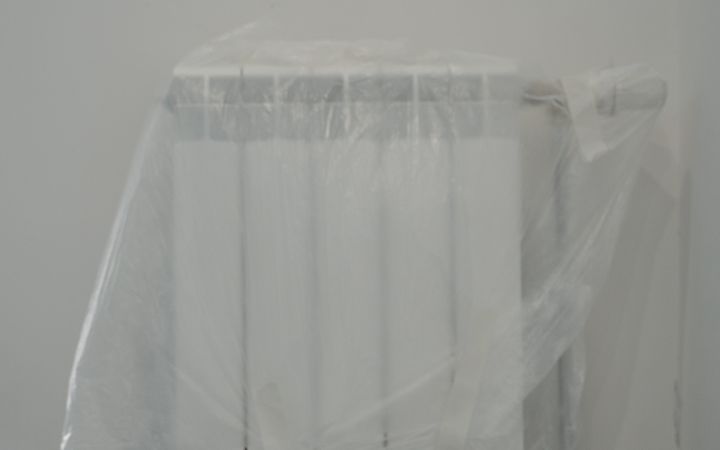
Managing Rhinitis During Home Renovation: Practical Tips
Renovations can release dust, paint fumes, and other irritants linked to rhinitis flare-ups. Learn practical steps for planning, containment, and post-work cleanup to limit exposure.

Managing Rhinitis During Home Renovation and DIY Projects
Renovation work often produces dust, paint fumes, and airborne irritants. Learn practical steps to limit exposure and plan tasks around rhinitis sensitivity.
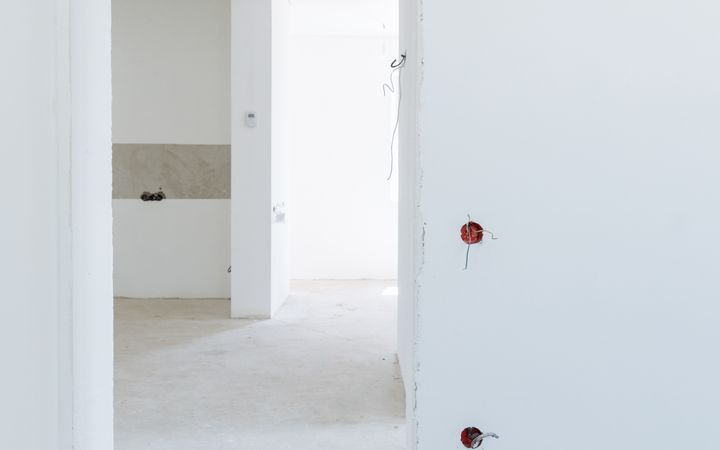
Living Through Home Renovations When You Have Rhinitis
Renovations often raise triggers for rhinitis like dust and paint fumes. Simple planning, containment, and cleaning steps can make the work less bothersome.
Archive
Back to the article hub
Browse more RhinitisRank articles and long-tail education pages.
OpenPractical tools
Move into practical resources
Open tools like the trigger diary, checklists, and visit-prep resources.
OpenQuick assessment
Take the rhinitis quiz
Turn symptoms into a clearer starting point before your next appointment.
Open