

Managing Rhinitis During Home Renovations and DIY Projects
Home projects can stir up dust, fumes, and other triggers that affect rhinitis. Learn cautious, practical approaches to reduce exposure and plan ahead.
In brief
Renovations may increase nasal irritation for people with rhinitis. This article covers common renovation triggers and practical, non-prescriptive ways to lessen exposure.
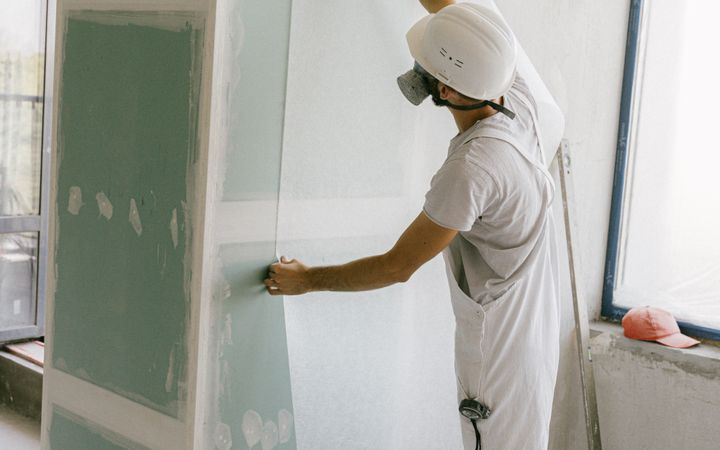
Photo by Francesco Ungaro on Pexels
Home renovations and do-it-yourself projects often create dust, odors, and airborne particles that people with rhinitis may notice. Activities like sanding, cutting, painting, and demolition can disturb materials that release irritants into the air.
Common renovation-related triggers include drywall dust, sawdust, insulation fibers, paint and stain fumes, adhesives, and strong cleaning products. Disturbing hidden moisture can also expose mold or mildew that some people find irritating.
There are practical steps that people often consider to reduce exposure: increasing ventilation where possible, using air purifiers with HEPA filters, keeping the work area sealed off from living spaces, and wet-cleaning dust where appropriate. Wearing a well-fitting particulate mask during dust-generating tasks may reduce inhaled particles for some individuals, though responses vary.
Planning can help make projects easier to manage. Scheduling work for times when symptoms are typically milder, talking with contractors about dust-control practices, and arranging temporary use of another living area are options people sometimes choose. Clear communication about odors and cleaning expectations can limit surprises.
After work is finished, a thorough clean-up and airing-out period can help remove lingering dust and smells. If symptoms change or become persistent during or after a renovation, some people find it helpful to track exposures and discuss them with a healthcare professional; this article does not offer medical advice or treatment recommendations.
Daily articles
Subscribe for daily reads and jump into the latest article now.
Receive RhinitisRank articles by text message and email each day, then head straight to the article library whenever you want a deeper read.
Fresh reading
Educational reads for flare-ups, patterns, and next steps.
Related reading
More articles in this topic cluster
Continue with nearby rhinitis questions, symptom patterns, and follow-up reading.

Managing Rhinitis During Home Renovation and DIY Projects
Renovation work often produces dust, paint fumes, and airborne irritants. Learn practical steps to limit exposure and plan tasks around rhinitis sensitivity.
Managing Rhinitis During Home Renovations and DIY Projects
Practical strategies to limit dust, fumes, and other triggers when renovating or doing DIY tasks at home.

Doing Home Renovation with Rhinitis: Dust, Paint, Comfort
Simple planning, containment, ventilation and cleaning techniques can reduce exposure to dust and fumes during home renovation when you have rhinitis.
Archive
Back to the article hub
Browse more RhinitisRank articles and long-tail education pages.
OpenPractical tools
Move into practical resources
Open tools like the trigger diary, checklists, and visit-prep resources.
OpenQuick assessment
Take the rhinitis quiz
Turn symptoms into a clearer starting point before your next appointment.
Open