

Home Renovation and Rhinitis: Minimizing Dust, Fumes, and Disruption
Renovations can raise common rhinitis triggers like dust and paint fumes. Practical planning and simple on-site steps can help reduce everyday exposure and disruption.
In brief
Planning and on-site habits can lower exposure to dust, fumes, and other renovation-related triggers. Learn practical steps for before, during, and after work.
Home renovations often stir up dust, disturb old materials, and introduce paints or adhesives that can make indoor air feel different. For people with rhinitis, these changes can make daily life more uncomfortable. Thinking about triggers and how they will be managed can make the process smoother for everyone in the household.
Before work begins, consider discussing methods and schedules with your contractor or project manager. Ask about dust containment, preferred products, and ventilation plans; choosing lower-emission materials or delaying certain tasks can be part of that conversation. If possible, identify rooms that can be sealed off and agree on cleaning checkpoints during the project timeline.
On-site habits can limit how much dust and fumes spread through living spaces. Simple steps such as closing doors to work areas, running exhaust fans, and using plastic sheeting or temporary barriers can reduce airborne particles. Wearing a well-fit particulate mask while near active work and avoiding the immediate work zone during sanding or demolition are practical ways to limit exposure.
Air cleaning and HVAC strategies can also be useful during renovations. Portable air purifiers with high-efficiency filters and regularly changed HVAC filters may reduce suspended particles; increasing ventilation where safe can dilute lingering odors. Keeping vents covered or sealed when work is concentrated near systems can prevent dust from entering ducts.
Daily routines can be adjusted to reduce disruption: plan to be out of the house for the dustiest phases, keep personal items in sealed bins, and launder clothing worn during visits to the worksite. Frequent surface cleaning with a damp cloth or HEPA-equipped vacuums after a workday can help reduce settled dust that would otherwise become airborne again.
If you notice changes in your usual symptom patterns during a project, keeping a simple log of timing, activities, and possible triggers can help you discuss concerns with a healthcare provider or the renovation team. Clear communication with contractors about schedules and containment often makes renovations easier to tolerate for everyone involved.
Daily articles
Subscribe for daily reads and jump into the latest article now.
Receive RhinitisRank articles by text message and email each day, then head straight to the article library whenever you want a deeper read.

Fresh reading
Educational reads for flare-ups, patterns, and next steps.
Related reading
More articles in this topic cluster
Continue with nearby rhinitis questions, symptom patterns, and follow-up reading.

Rhinitis and Home Renovations: Practical DIY Strategies
Tackling a renovation? This guide offers cautious, practical ideas to lower contact with dust, paint fumes, and adhesives while doing DIY or supervising contractors.
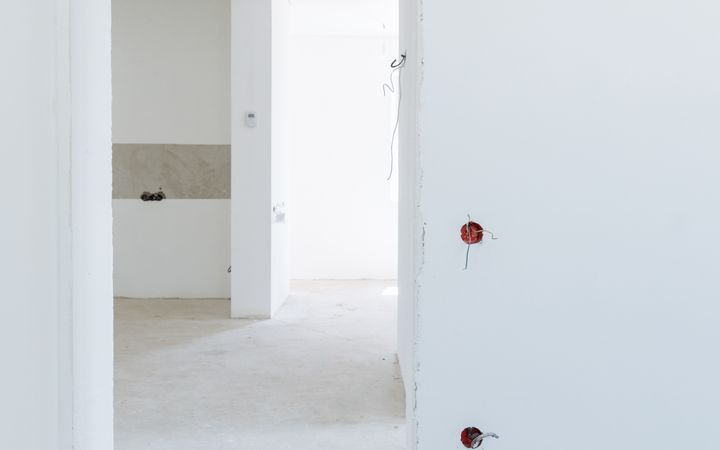
Living Through Home Renovations When You Have Rhinitis
Renovations often raise triggers for rhinitis like dust and paint fumes. Simple planning, containment, and cleaning steps can make the work less bothersome.

Managing Rhinitis During Home Renovations and DIY
Planning, timing and simple on-site steps can lower exposure to renovation triggers. This guide offers practical ideas to reduce dust, paint fumes and other irritants during home work.
Archive
Back to the article hub
Browse more RhinitisRank articles and long-tail education pages.
OpenPractical tools
Move into practical resources
Open tools like the trigger diary, checklists, and visit-prep resources.
OpenQuick assessment
Take the rhinitis quiz
Turn symptoms into a clearer starting point before your next appointment.
Open