

Rhinitis and Home Renovations: Dust, Fumes, and Planning
Home projects can create common rhinitis triggers like dust, paint fumes, and adhesives. This guide covers planning, on-site steps, and communication to lower exposure during renovations.
In brief
Renovations often raise airborne irritants that can affect rhinitis. Learn practical planning, containment, and communication ideas to reduce exposure during projects.
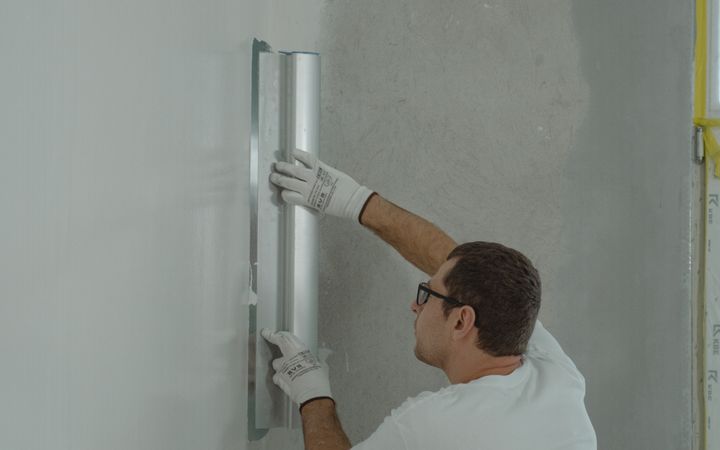
Photo by cottonbro studio on Pexels
Home renovations and DIY projects often produce airborne irritants such as dust, drywall particles, paint vapors, adhesives, and disturbed mold or old insulation. For people with rhinitis these airborne materials can act as triggers and contribute to increased symptoms. Knowing common sources and planning ahead can help reduce unwelcome exposures during work.
Start planning before work begins. Consider timing tasks that generate heavy dust or strong odors when fewer people are at home, and think about phasing or isolating work zones. Choosing lower-odor or low-VOC products is an option some households use to reduce fumes, and labeling work areas can make coordination easier.
Containment and ventilation are practical on-site strategies. Simple barriers, targeted exhaust fans, and opening doors or windows where feasible can move dust and fumes away from living spaces. Periodic damp-cleaning of surfaces and using a high-filtration vacuum during cleanup can reduce settled dust.
Personal protective measures can reduce immediate exposure while you are present. Well-fitted masks or respirators, eye protection, and protective clothing are common precautions on renovation sites, along with thorough handwashing after handling materials. Taking breaks away from active work areas can also limit time spent in higher-exposure zones.
Communicating sensitivities with contractors, household members, or neighbors before work starts can make planning more effective. Asking about schedules, cleanup practices, and the products to be used helps set expectations and allows for coordinated containment or temporary adjustments. Agreeing on a clear cleanup and ventilation plan ahead of time can reduce surprises.
After work ends, airing out spaces and routine cleaning of dust-prone surfaces can help remove lingering irritants, and allowing strong-smelling materials time to dissipate before heavy use is often helpful. Keeping a simple record of exposures, timing, and any symptom changes may be useful if you later discuss the project with a healthcare professional. Small adjustments based on experience can make future projects easier to manage.
Daily articles
Subscribe for daily reads and jump into the latest article now.
Receive RhinitisRank articles by text message and email each day, then head straight to the article library whenever you want a deeper read.
Fresh reading
Educational reads for flare-ups, patterns, and next steps.
Related reading
More articles in this topic cluster
Continue with nearby rhinitis questions, symptom patterns, and follow-up reading.

Managing Rhinitis During Home Renovation and DIY Projects
Small planning steps — from containment and ventilation to material choices — can reduce irritant exposure during home projects. Practical considerations help when doing DIY or hiring contractors.

Managing Rhinitis During Home Renovation and DIY Projects
Renovation work often produces dust, paint fumes, and airborne irritants. Learn practical steps to limit exposure and plan tasks around rhinitis sensitivity.
Managing Rhinitis During Home Renovations and DIY Projects
Renovation work can introduce common rhinitis triggers like dust and paint fumes. Learn practical, non-prescriptive strategies to reduce exposure while planning and working.
Archive
Back to the article hub
Browse more RhinitisRank articles and long-tail education pages.
OpenPractical tools
Move into practical resources
Open tools like the trigger diary, checklists, and visit-prep resources.
OpenQuick assessment
Take the rhinitis quiz
Turn symptoms into a clearer starting point before your next appointment.
Open