

Managing Rhinitis During Home Renovation and DIY Projects
Renovations and DIY work can stir up dust, odors, and other airborne irritants that affect rhinitis symptoms. This guide outlines practical planning and exposure-reduction ideas to keep comfort in mind during projects.
In brief
Small planning steps — from containment and ventilation to material choices — can reduce irritant exposure during home projects. Practical considerations help when doing DIY or hiring contractors.
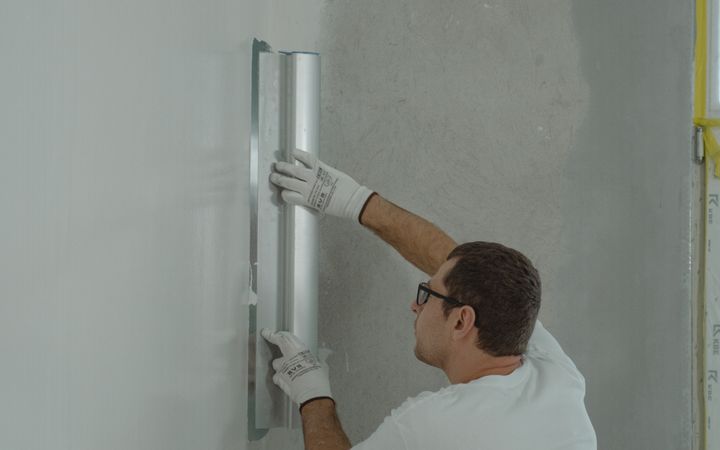
Photo by Christina & Peter on Pexels
Renovation and DIY work often generate dust, fine particles, paint fumes, and strong odors that many people with rhinitis notice. Knowing common sources and planning around them can help reduce the amount of airborne irritation during and after a project.
Consider timing and scope before starting. Smaller, phased tasks can limit the area affected, and scheduling work when people with rhinitis can spend time away or when weather allows for better ventilation may be helpful. Clear communication with any contractors about methods and timing can also guide choices that affect indoor air.
Containment and ventilation are practical ways to manage airborne matter. Temporary barriers, taped plastic sheeting, and directing air out of the work area with fans can reduce spread. Using a fan to create negative pressure (exhausting air outdoors) and running ventilation when possible can move contaminants out of living spaces.
Material and method choices can influence how much irritation a project causes. Low-VOC or low-odor paints and sealed products may produce fewer strong smells; minimizing dry sanding, using wet methods for cleanup, and choosing pre-finished or lower-dust options can reduce airborne particles. Discuss material alternatives with suppliers or contractors to match comfort priorities.
Post-work cleaning and ongoing air management matter too. Wet wiping and HEPA-capable vacuums help remove settled dust, and changing HVAC or portable air-filter cartridges after big projects can reduce lingering particles. Monitoring how symptoms respond and adjusting future plans or timelines is a reasonable way to balance home improvements with rhinitis comfort.
Daily articles
Subscribe for daily reads and jump into the latest article now.
Receive RhinitisRank articles by text message and email each day, then head straight to the article library whenever you want a deeper read.

Fresh reading
Educational reads for flare-ups, patterns, and next steps.
Related reading
More articles in this topic cluster
Continue with nearby rhinitis questions, symptom patterns, and follow-up reading.

Rhinitis and Home Renovations: Dust, Fumes, and Planning
Renovations often raise airborne irritants that can affect rhinitis. Learn practical planning, containment, and communication ideas to reduce exposure during projects.

Managing Rhinitis During Home Renovation and DIY Projects
Renovation work often produces dust, paint fumes, and airborne irritants. Learn practical steps to limit exposure and plan tasks around rhinitis sensitivity.
Managing Rhinitis During Home Renovations and DIY Projects
Renovation work can introduce common rhinitis triggers like dust and paint fumes. Learn practical, non-prescriptive strategies to reduce exposure while planning and working.
Archive
Back to the article hub
Browse more RhinitisRank articles and long-tail education pages.
OpenPractical tools
Move into practical resources
Open tools like the trigger diary, checklists, and visit-prep resources.
OpenQuick assessment
Take the rhinitis quiz
Turn symptoms into a clearer starting point before your next appointment.
Open