

Managing Rhinitis During Home Renovation and DIY Projects
Renovations and DIY work can raise dust, fumes, and other irritants that affect nasal comfort. This guide offers practical, general strategies to reduce exposure and make projects more manageable.
In brief
Renovation work often produces dust, paint fumes, and airborne irritants. Learn practical steps to limit exposure and plan tasks around rhinitis sensitivity.
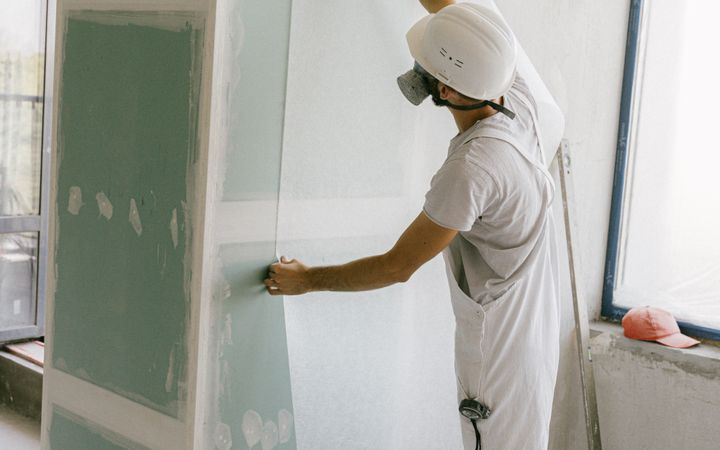
Photo by Rafael Minguet Delgado on Pexels
Home renovations and DIY projects can expose people to dust, sanding particles, paint fumes, and other airborne irritants. For someone with rhinitis, these increased irritants may make nasal symptoms more noticeable. Understanding common sources of exposure helps with planning and managing the worksite.
Start with project planning and timing. Consider doing high-dust or high-fume tasks when you can spend time away from the work area, or discuss phased schedules with contractors to limit overlap of dirty, odorous jobs. Clear communication with household members and workers about timing and containment can reduce unexpected exposure.
Containment and simple site setup can reduce spread of dust and odors. Temporary plastic sheeting, dust sheets, and closing HVAC vents in the work zone are common steps to limit migration of particles. Minimizing traffic through the work area and using dedicated entry points for tools can also help keep contaminant levels lower in living spaces.
Ventilation and air cleaning are practical ways to address airborne irritants. Exhausting fumes to the outdoors, running ventilation fans, and using portable air purifiers with fine-particle filters can reduce airborne material in occupied rooms. Regularly replacing or cleaning filters and running devices while work is underway can be helpful.
Personal protective equipment and cleaning methods matter during and after tasks. Using a well-fitting protective mask and eye protection while doing dusty or smelly jobs can limit direct exposure, and wet-cleaning surfaces rather than dry sweeping helps prevent resuspending settled dust. Frequent handwashing and laundering work clothes separately can reduce carry‑home exposure.
Finally, tune into what seems to trigger your symptoms and adapt the plan as you go. Creating a low-exposure zone for rest, taking regular breaks away from the work area, and discussing concerns with contractors or housemates can make a project easier to manage. If symptoms are persistent or concerning, consider talking with a healthcare provider for personalized guidance.
Daily articles
Subscribe for daily reads and jump into the latest article now.
Receive RhinitisRank articles by text message and email each day, then head straight to the article library whenever you want a deeper read.

Fresh reading
Educational reads for flare-ups, patterns, and next steps.
Related reading
More articles in this topic cluster
Continue with nearby rhinitis questions, symptom patterns, and follow-up reading.
Managing Rhinitis During Home Renovations and DIY Projects
Practical strategies to limit dust, fumes, and other triggers when renovating or doing DIY tasks at home.

Doing Home Renovation with Rhinitis: Dust, Paint, Comfort
Simple planning, containment, ventilation and cleaning techniques can reduce exposure to dust and fumes during home renovation when you have rhinitis.

Managing Rhinitis During Home Renovations and DIY Projects
Renovations may increase nasal irritation for people with rhinitis. This article covers common renovation triggers and practical, non-prescriptive ways to lessen exposure.
Archive
Back to the article hub
Browse more RhinitisRank articles and long-tail education pages.
OpenPractical tools
Move into practical resources
Open tools like the trigger diary, checklists, and visit-prep resources.
OpenQuick assessment
Take the rhinitis quiz
Turn symptoms into a clearer starting point before your next appointment.
Open