

Managing Rhinitis During Home Renovations and DIY Projects
Home upgrades can stir up dust, fumes, and other irritants. Practical steps and planning can help limit exposure during projects.
In brief
Renovation work can introduce common rhinitis triggers like dust and paint fumes. Learn practical, non-prescriptive strategies to reduce exposure while planning and working.
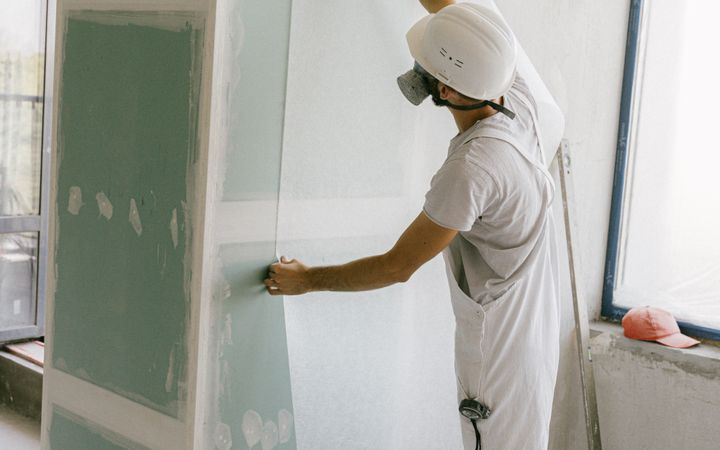
Photo by Sergei Starostin on Pexels
Renovation and DIY projects often create airborne irritants that many people with rhinitis notice. Common sources include construction dust, paint and adhesive fumes, and disturbed mold or old insulation. Awareness of likely triggers can help with planning and day-to-day decisions.
Before work begins, consider timing and scope to reduce overlap with daily life. Isolating the work zone, using plastic sheeting, and limiting access to areas being renovated may help contain dust and odors. Discussing materials and procedures with contractors or helpers gives an opportunity to raise concerns about ventilation and cleanup.
Choosing lower-emission products and simpler finishes can be part of a mitigation approach. Look for options described as low-VOC or low-odor and ask about how paints, sealants, and adhesives will be applied and stored. Minimizing the number of strong-scent products in active work areas may reduce noticeable irritants for sensitive occupants.
Ventilation and air handling during and after work are practical considerations. Running exhaust fans, using temporary ventilation, and allowing time for spaces to air out can support fresher indoor air; portable air cleaners with appropriate filters may also be useful in some situations. Be mindful of heating, cooling, and HVAC filters—having a plan for filter checks or changes during and after projects can be part of the process.
On the personal side, pacing time spent near active work, keeping doors closed to separate living spaces, and planning cleanup routines may lower immediate exposure. Wearing basic dust protection, keeping tissues and handwashing supplies nearby, and laundering work clothes separately are common-sense steps. If renovation plans raise concerns about symptom changes, consider discussing them with a clinician or the renovation team to identify approaches that fit your situation.
Daily articles
Subscribe for daily reads and jump into the latest article now.
Receive RhinitisRank articles by text message and email each day, then head straight to the article library whenever you want a deeper read.
Fresh reading
Educational reads for flare-ups, patterns, and next steps.
Related reading
More articles in this topic cluster
Continue with nearby rhinitis questions, symptom patterns, and follow-up reading.

Managing Rhinitis During Home Renovation and DIY Projects
Renovation work often produces dust, paint fumes, and airborne irritants. Learn practical steps to limit exposure and plan tasks around rhinitis sensitivity.
Managing Rhinitis During Home Renovations and DIY Projects
Practical strategies to limit dust, fumes, and other triggers when renovating or doing DIY tasks at home.

Doing Home Renovation with Rhinitis: Dust, Paint, Comfort
Simple planning, containment, ventilation and cleaning techniques can reduce exposure to dust and fumes during home renovation when you have rhinitis.
Archive
Back to the article hub
Browse more RhinitisRank articles and long-tail education pages.
OpenPractical tools
Move into practical resources
Open tools like the trigger diary, checklists, and visit-prep resources.
OpenQuick assessment
Take the rhinitis quiz
Turn symptoms into a clearer starting point before your next appointment.
Open