

Rhinitis and Home Renovation: Planning, Protection, and Pace
Home improvement work often raises dust, fumes, and other triggers that can affect nasal comfort. Practical preparation, protective choices, and cleanup strategies may reduce exposure during projects.
In brief
Renovations can stir up common rhinitis triggers. This guide covers planning, containment, protective options, and cleanup to help limit exposure during DIY or contractor work.
Photo by Francesco Ungaro on Pexels
Renovation and DIY projects commonly generate dust, airborne particles, chemical odors, and other irritants that can coincide with rhinitis symptoms. Recognizing that these activities change your indoor environment is the first step in planning how to limit exposure.
Containment and ventilation are two complementary approaches that people often use. Sealing work areas, using exhaust fans or temporary ventilation, and keeping traffic through the work zone to a minimum can reduce movement of dust and fumes through living spaces.
Personal protective options and task selection can also matter during dusty or smelly jobs. Some people consider particulate-filtering masks, eye protection, and gloves for specific tasks; choosing lower-odor materials and doing high-dust work in short bursts may also be helpful.
Cleaning and cleanup routines make a practical difference after work is done. Wet wiping, damp mopping, and using a vacuum with a HEPA or high-efficiency filter where available can help remove settled dust; laundering clothes and showering after intensive work can limit carry-out of particles.
Communication and scheduling can reduce unexpected exposure. Letting contractors know about sensitivity to dust or odors, planning noisy or dusty tasks for times when others can be away, and allowing time for airing and cleanup before returning to normal use are all planning steps people commonly take.
Daily articles
Subscribe for daily reads and jump into the latest article now.
Receive RhinitisRank articles by text message and email each day, then head straight to the article library whenever you want a deeper read.

Fresh reading
Educational reads for flare-ups, patterns, and next steps.
Related reading
More articles in this topic cluster
Continue with nearby rhinitis questions, symptom patterns, and follow-up reading.
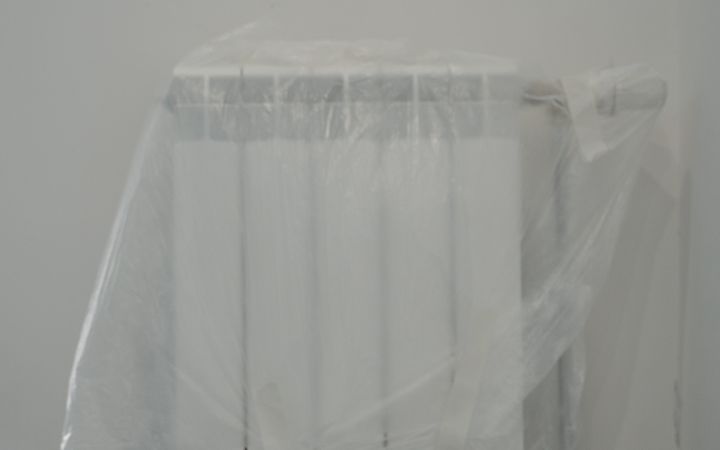
Managing Rhinitis During Home Renovation: Practical Tips
Renovations can release dust, paint fumes, and other irritants linked to rhinitis flare-ups. Learn practical steps for planning, containment, and post-work cleanup to limit exposure.

Managing Rhinitis During Home Renovation and DIY Projects
Renovation work often produces dust, paint fumes, and airborne irritants. Learn practical steps to limit exposure and plan tasks around rhinitis sensitivity.
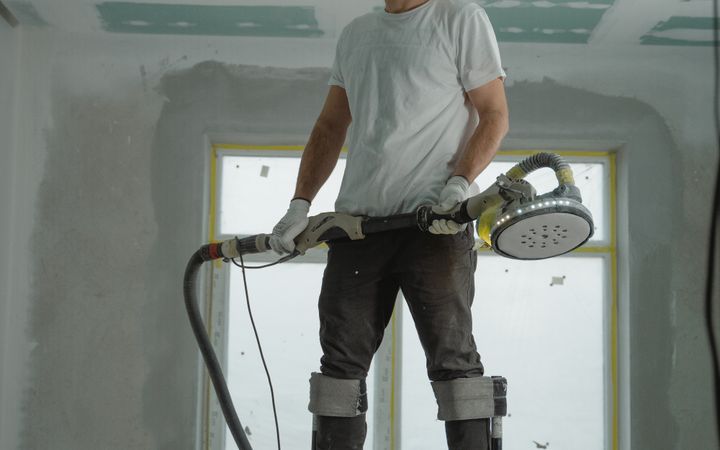
How to Manage Rhinitis During Home Renovations
Small planning steps and on-site choices may lower exposure to common renovation triggers. Learn practical options to consider before, during, and after a remodel.
Archive
Back to the article hub
Browse more RhinitisRank articles and long-tail education pages.
OpenPractical tools
Move into practical resources
Open tools like the trigger diary, checklists, and visit-prep resources.
OpenQuick assessment
Take the rhinitis quiz
Turn symptoms into a clearer starting point before your next appointment.
Open