
How to Manage Rhinitis During Home Renovations
Renovation work can stir up dust, fumes, and other indoor triggers that affect rhinitis. This guide outlines planning and on-site options to reduce exposure during remodeling.
In brief
Small planning steps and on-site choices may lower exposure to common renovation triggers. Learn practical options to consider before, during, and after a remodel.
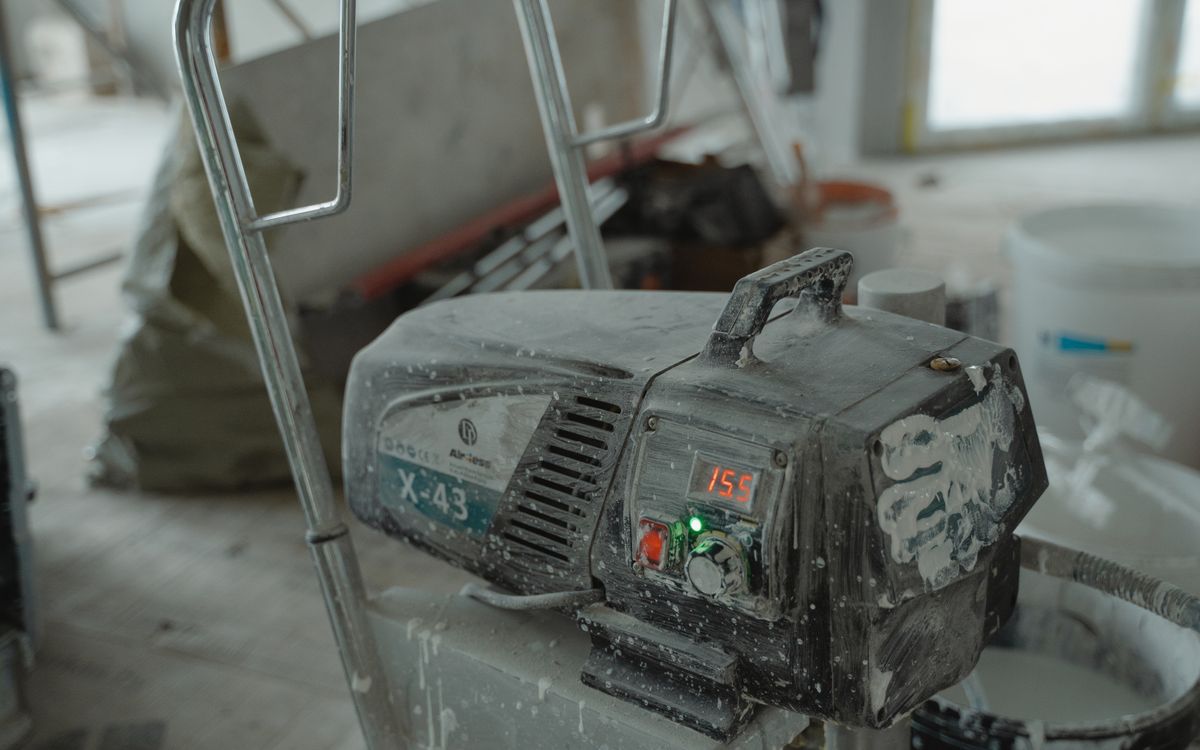
Photo by Tima Miroshnichenko on Pexels
Home renovation projects often create airborne dust, paint and adhesive fumes, and disturbed materials that can act as triggers for people with rhinitis. Understanding common sources of irritants and planning ahead can help reduce exposure and make the process more manageable.
Before work begins, consider choices that may lower indoor emissions, such as selecting low-VOC paints and sealants or materials labeled for lower emissions. Timing the work for periods when you can spend time away, and discussing ventilation and cleanup plans with contractors, are practical planning steps to think about.
During construction, simple on-site approaches like creating sealed work zones, using exhaust ventilation if available, and minimizing dust spread through dampening and containment can reduce how much airborne material moves through the home. Wearing appropriate respiratory protection and limiting time in nearby spaces are additional options some people use; discussing protective measures with project staff can help identify feasible choices.
After work, letting the space air out, performing thorough cleaning with methods that capture fine particles (for example, HEPA-equipped vacuums and damp wiping), and replacing filters in HVAC or portable air cleaners are common post-project steps people consider. Allowing newly painted or sealed areas to cure and ventilate before regular use may also reduce lingering odors and emissions.
Clear communication with contractors about materials, schedules, and cleanup can help set expectations and reduce surprises that might increase exposure. If symptoms change or concerns arise during or after a project, considering a conversation with a healthcare provider for personalized guidance can be helpful in deciding next steps.
Daily articles
Subscribe for daily reads and jump into the latest article now.
Receive RhinitisRank articles by text message and email each day, then head straight to the article library whenever you want a deeper read.

Fresh reading
Educational reads for flare-ups, patterns, and next steps.
Related reading
More articles in this topic cluster
Continue with nearby rhinitis questions, symptom patterns, and follow-up reading.
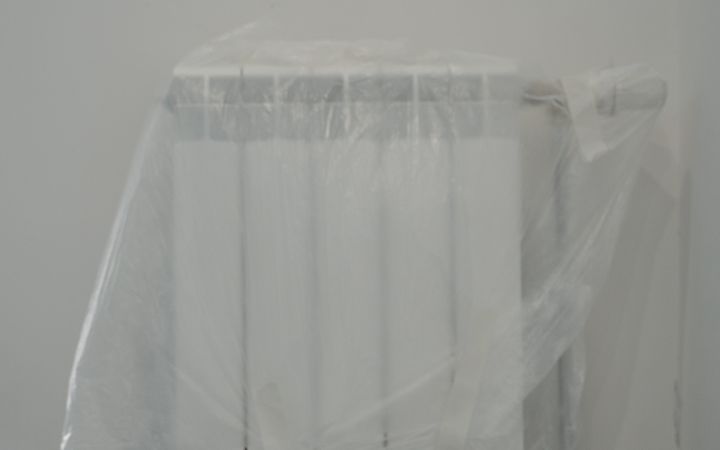
Managing Rhinitis During Home Renovation: Practical Tips
Renovations can release dust, paint fumes, and other irritants linked to rhinitis flare-ups. Learn practical steps for planning, containment, and post-work cleanup to limit exposure.
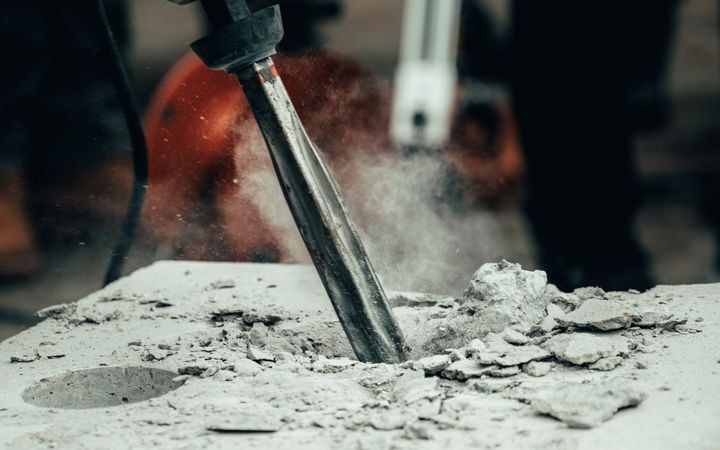
Managing Rhinitis During Home Renovation and DIY Projects
A practical guide for people with rhinitis planning renovations or DIY work. Learn how to reduce dust and fume exposure, coordinate with contractors, and stage living spaces.

Managing Rhinitis During Home Renovation and DIY Projects
Renovation work often produces dust, paint fumes, and airborne irritants. Learn practical steps to limit exposure and plan tasks around rhinitis sensitivity.
Archive
Back to the article hub
Browse more RhinitisRank articles and long-tail education pages.
OpenPractical tools
Move into practical resources
Open tools like the trigger diary, checklists, and visit-prep resources.
OpenQuick assessment
Take the rhinitis quiz
Turn symptoms into a clearer starting point before your next appointment.
Open