
Managing Rhinitis During Home Renovation: Practical Tips
Renovation projects often stir up dust, fumes, and other irritants that can affect people with rhinitis. Practical planning and simple controls can help reduce exposure during work and cleanup.
In brief
Renovations can release dust, paint fumes, and other irritants linked to rhinitis flare-ups. Learn practical steps for planning, containment, and post-work cleanup to limit exposure.
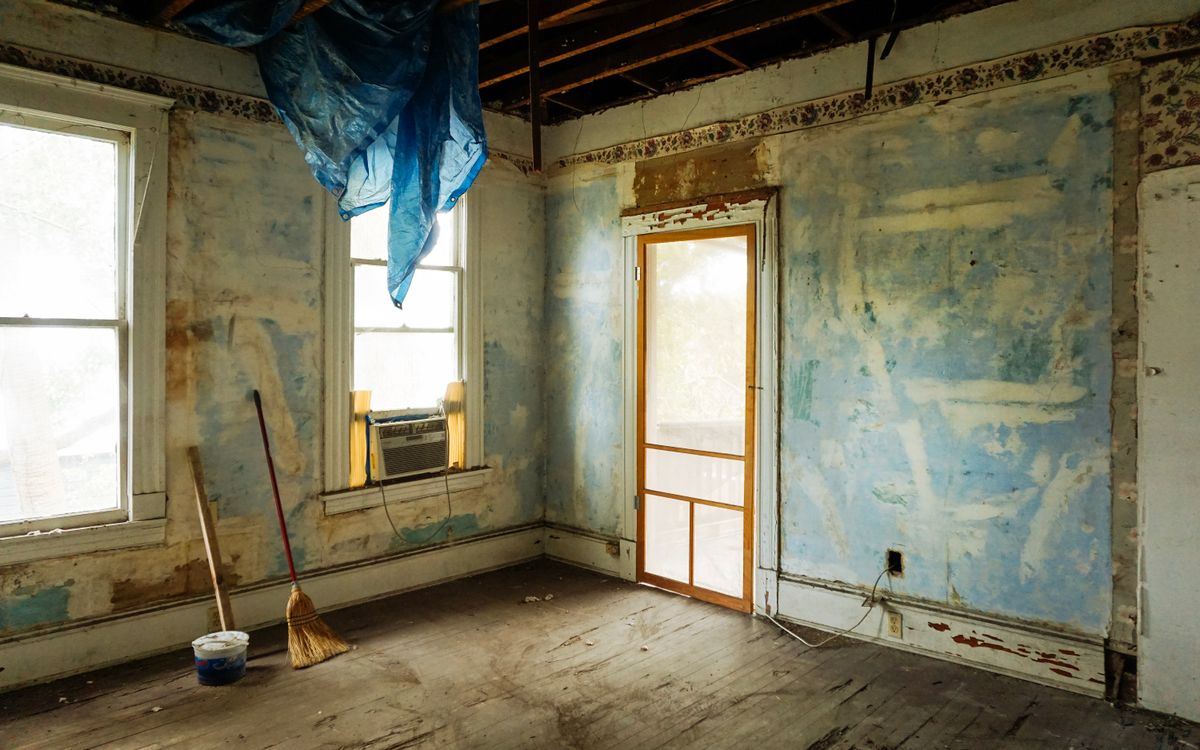
Photo by Monica Silvestre on Pexels
Home renovation and remodeling can introduce a range of airborne irritants — dust from demolition and sanding, paint and solvent fumes, adhesives, and disturbed insulation. For people with rhinitis, those airborne particles and odors can be noticeable and disruptive, so awareness and planning are often helpful.
Start by thinking through the project timeline and spaces affected. Scheduling higher‑dust or high‑odor tasks when you can be away from the house, or doing work in phases to limit the area impacted at once, are practical options many people use.
Talk with contractors or installers about dust‑control measures and staging. Common measures include sealing off work zones, using local exhaust or temporary ventilation, and minimizing onsite cutting or sanding; asking about these options before work begins can clarify what will be done.
Product choices and work methods also influence indoor air. Choosing low‑odor, low‑VOC finishes when available, using prefabricated or prefinished components to reduce onsite sanding, and avoiding unnecessary demolition where possible can all reduce sources of airborne irritants.
After work finishes, airing the space and targeted cleaning can help clear residual dust and fumes. Regular wiping of horizontal surfaces, vacuuming with a unit that has good filtration, and running portable air cleaners in affected rooms are commonly used steps for post‑work cleanup.
Practical comforts during projects include creating a clean retreat area away from the work zone and keeping water, tissues, and other basic supplies handy. Clear communication with your renovation team about timing, containment, and cleanup preferences can make the process smoother and more tolerable.
Daily articles
Subscribe for daily reads and jump into the latest article now.
Receive RhinitisRank articles by text message and email each day, then head straight to the article library whenever you want a deeper read.

Fresh reading
Educational reads for flare-ups, patterns, and next steps.
Related reading
More articles in this topic cluster
Continue with nearby rhinitis questions, symptom patterns, and follow-up reading.
Living Through Home Renovations When You Have Rhinitis
Renovations often raise triggers for rhinitis like dust and paint fumes. Simple planning, containment, and cleaning steps can make the work less bothersome.

Managing Rhinitis During Home Renovations and DIY
Planning, timing and simple on-site steps can lower exposure to renovation triggers. This guide offers practical ideas to reduce dust, paint fumes and other irritants during home work.

Managing Rhinitis During Home Renovations and Repairs
Before, during and after repair work, planning and communication can help limit exposure to dust, odors and other common renovation triggers for rhinitis.
Archive
Back to the article hub
Browse more RhinitisRank articles and long-tail education pages.
OpenPractical tools
Move into practical resources
Open tools like the trigger diary, checklists, and visit-prep resources.
OpenQuick assessment
Take the rhinitis quiz
Turn symptoms into a clearer starting point before your next appointment.
Open