

Rhinitis and Home Cooking: Managing Kitchen Triggers
Many people with rhinitis notice that certain smells, steam, or smoke from cooking seem to coincide with nasal symptoms. This article highlights practical, non-prescriptive ways to reduce exposure to common kitchen triggers and make meal prep more comfortable.
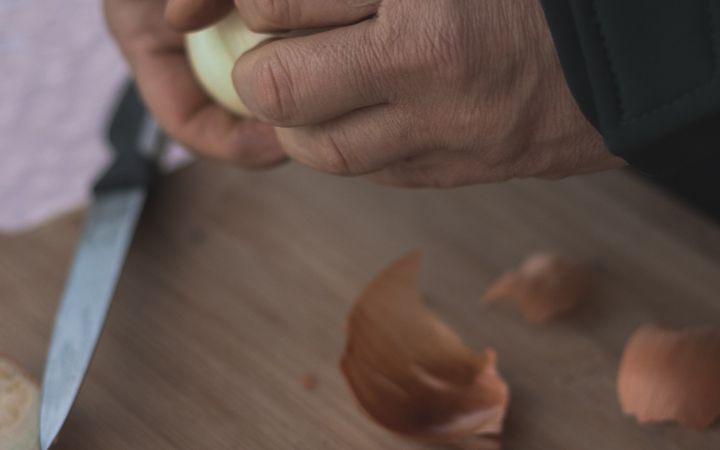
Photo by cottonbro studio on Pexels
Cooking produces a range of airborne substances — strong spices, frying oil, steam, and smoke — that some people with rhinitis find irritating. These exposures can come from specific ingredients, high-heat techniques, or lingering odors after a meal, and noticing patterns can help guide small changes in the kitchen.
Simple preparation choices may reduce immediate exposure. Cutting aromatic ingredients like onions or garlic near a running vent, choosing lower-odor spices for certain dishes, or doing some prep outdoors or near an exhaust fan are practical steps people often consider.
Ventilation and equipment decisions can matter in daily practice. Running a range hood or portable fan, using lids and splatter screens when frying, and preferring methods that use less open flame or high heat are common adjustments that may limit airborne irritants in the cooking area.
During cooking and mealtimes, timing and positioning can help. Taking short breaks away from the stove, sitting farther from the source of steam or smoke while eating, and coordinating who does which tasks can reduce direct exposure for those sensitive to kitchen emissions.
Post-cooking habits also affect how long odors linger. Promptly wiping greasy surfaces, sealing or storing strong spices and ingredients, and removing trash or food waste can shorten the time that smells persist in the kitchen.
When cooking with others or hosting, clear communication about triggers and simple role swaps can be useful. Noticing which ingredients and techniques most often coincide with symptoms over time is a practical way to tailor these non-prescriptive strategies to individual preferences and routines.
Daily articles
Subscribe for daily reads and jump into the latest article now.
Receive RhinitisRank articles by text message and email each day, then head straight to the article library whenever you want a deeper read.

Fresh reading
Educational reads for flare-ups, patterns, and next steps.
Related reading
More articles in this topic cluster
Continue with nearby rhinitis questions, symptom patterns, and follow-up reading.
Cooking with Rhinitis: Reducing Kitchen Triggers for Comfort
Practical steps to reduce common kitchen triggers, adjust cooking steps, and use ventilation and timing to make meal prep more comfortable for people with rhinitis.

Cooking and Meal Prep with Rhinitis: Minimizing Kitchen Triggers
Understand how common cooking smells and steam can affect rhinitis and learn simple steps to make meal prep more comfortable without medical advice.

Living Through Home Renovations with Rhinitis: Practical Tips
Home projects can aggravate rhinitis symptoms. Learn practical ways to plan, limit exposure during work, and clean up afterward to reduce triggers.
Archive
Back to the article hub
Browse more RhinitisRank articles and long-tail education pages.
OpenPractical tools
Move into practical resources
Open tools like the trigger diary, checklists, and visit-prep resources.
OpenQuick assessment
Take the rhinitis quiz
Turn symptoms into a clearer starting point before your next appointment.
Open