

Living Through Home Renovations with Rhinitis: Practical Tips
Renovations often stir dust, fumes, and other triggers. Practical planning and on-site steps can help reduce exposure and keep indoor air more comfortable.
In brief
Home projects can aggravate rhinitis symptoms. Learn practical ways to plan, limit exposure during work, and clean up afterward to reduce triggers.
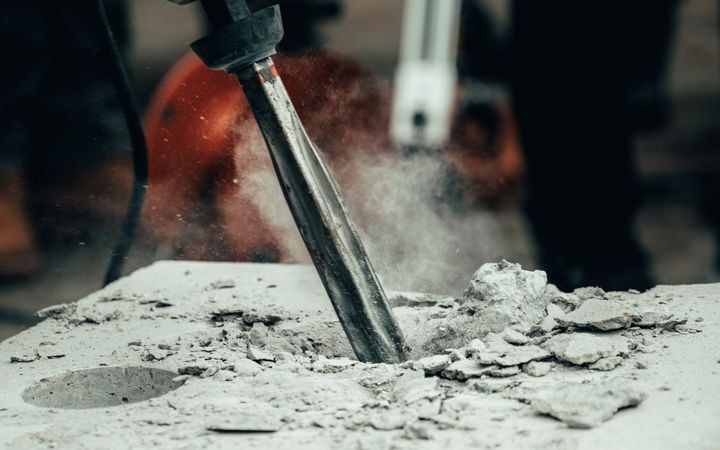
Photo by Francesco Ungaro on Pexels
Home renovation and repair work commonly produces airborne particles, paint and adhesive odors, and disturbed dust. For people with rhinitis, those environmental changes can increase nasal irritation and discomfort. Understanding common sources and planning ahead can help limit exposure.
Before work starts, consider timing and scope in relation to your daily routines and sensitive spaces. Discuss materials and schedules with contractors so you know when dust-generating tasks will occur and whether lower‑fume products are an option. Clearing clutter and sealing off areas you use frequently may reduce the amount of dust that spreads.
During active work, containment and airflow matter. Simple measures like keeping work areas sealed, running exhaust fans, and using a portable air cleaner with a HEPA filter can reduce airborne particles. Some people find that wearing a tight‑fitting particulate mask while near work zones and changing HVAC filters more often during projects helps limit exposure.
After trades leave for the day, focus on careful cleaning to remove settled dust rather than stirring it up. Wiping surfaces with a damp cloth, using a vacuum with a HEPA‑rated filter, and laundering clothes and bedding that were exposed can help reduce residual irritants. Leaving fresh air circulating when possible may also help clear lingering odors and particles.
For larger or longer projects, temporary adjustments—such as staying elsewhere for high‑dust demolition—are choices some people make to avoid prolonged contact with triggers. If symptoms are notably worse during or after a renovation, people often discuss options with their usual clinician or the project team to decide on further steps. Keeping a simple log of timing, tasks, and any symptom changes can make those conversations more informative.
Daily articles
Subscribe for daily reads and jump into the latest article now.
Receive RhinitisRank articles by text message and email each day, then head straight to the article library whenever you want a deeper read.

Fresh reading
Educational reads for flare-ups, patterns, and next steps.
Related reading
More articles in this topic cluster
Continue with nearby rhinitis questions, symptom patterns, and follow-up reading.

Managing Rhinitis During Home Renovation and DIY Projects
Small planning steps — from containment and ventilation to material choices — can reduce irritant exposure during home projects. Practical considerations help when doing DIY or hiring contractors.

Cooking with Rhinitis: Reducing Kitchen Triggers for Comfort
Practical steps to reduce common kitchen triggers, adjust cooking steps, and use ventilation and timing to make meal prep more comfortable for people with rhinitis.
Managing Rhinitis During Home Renovation and DIY Projects
A practical guide for people with rhinitis planning renovations or DIY work. Learn how to reduce dust and fume exposure, coordinate with contractors, and stage living spaces.
Archive
Back to the article hub
Browse more RhinitisRank articles and long-tail education pages.
OpenPractical tools
Move into practical resources
Open tools like the trigger diary, checklists, and visit-prep resources.
OpenQuick assessment
Take the rhinitis quiz
Turn symptoms into a clearer starting point before your next appointment.
Open