

Cooking and Meal Prep with Rhinitis: Minimizing Kitchen Triggers
Meal preparation can expose you to smells, steam, and smoke that sometimes aggravate rhinitis symptoms. This article explains common kitchen triggers and practical, non-prescriptive ways to limit exposure.
In brief
Understand how common cooking smells and steam can affect rhinitis and learn simple steps to make meal prep more comfortable without medical advice.
Photo by RDNE Stock project on Pexels
Food preparation often involves concentrated aromas, steam, and smoke that can make rhinitis symptoms more noticeable for some people. Recognizing which kitchen activities tend to cause flare-ups can help you plan and reduce exposure without changing what you enjoy cooking.
Common kitchen triggers include frying or high-heat cooking that produces smoke or hot oil fumes, strong spices (onions, garlic, chili peppers), and steam from boiling or simmering. Dust or flour released while baking and the scent of cleaning products used before or after cooking may also provoke symptoms.
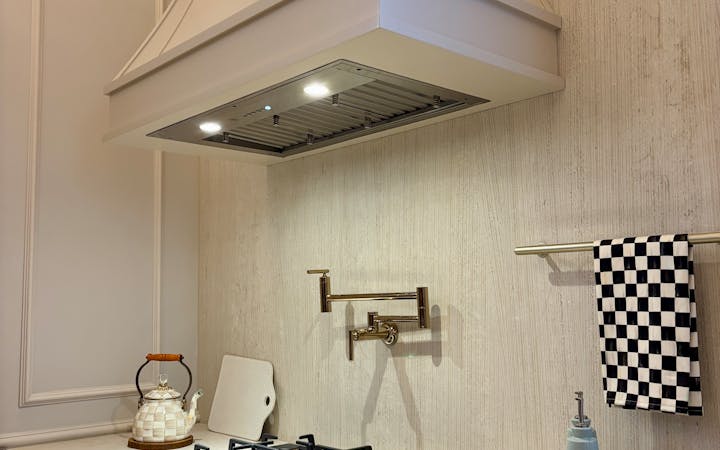
Simple environment-focused steps may help lower exposure. Using an exhaust fan, opening a window, keeping lids on pans, lowering stovetop heat, or switching some steps to the microwave or oven can reduce airborne particles and odors. Portable fans or airing the room briefly during heavy-smelling tasks are other low-intervention options people sometimes use.
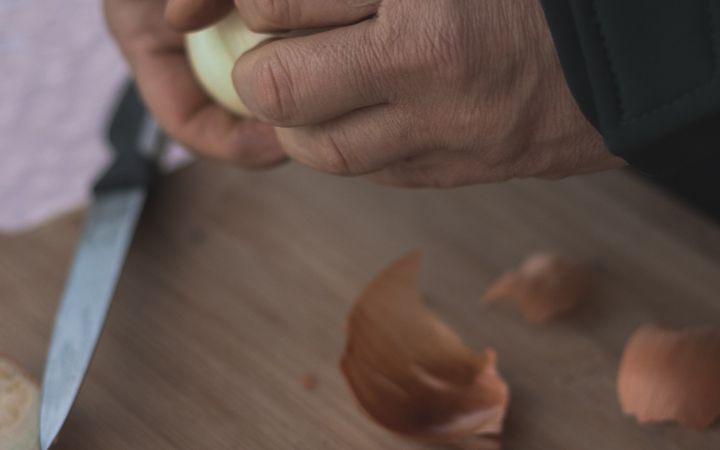
Adjusting how you prepare food can also make a practical difference. Pre-washing and pre-chopping ingredients, using a food processor in short bursts, or doing strong-smelling tasks (like chopping onions) near running water or a vent may help. Consider batching work, spreading tasks across the day, or asking a household member to handle particularly odorous steps when needed.
When cooking for others, a short note or quick conversation about scents and ventilation can set expectations and keep shared spaces comfortable. Keep tissues, water, or other personal comforts nearby, and step outside for fresh air if symptoms become bothersome. If rhinitis symptoms consistently interfere with daily activities like cooking, some people find it helpful to discuss persistent issues with a health professional for personalized support.
Daily articles
Subscribe for daily reads and jump into the latest article now.
Receive RhinitisRank articles by text message and email each day, then head straight to the article library whenever you want a deeper read.

Fresh reading
Educational reads for flare-ups, patterns, and next steps.
Related reading
More articles in this topic cluster
Continue with nearby rhinitis questions, symptom patterns, and follow-up reading.

Cooking with Rhinitis: Reducing Kitchen Irritants and Discomfort
Cooking produces odors, steam, and smoke that can bother people with rhinitis. This article outlines common triggers and simple home strategies to consider.
Rhinitis and Home Cooking: Managing Kitchen Triggers
Many people with rhinitis notice that certain smells, steam, or smoke from cooking seem to coincide with nasal symptoms. This article highlights practical, non-prescriptive ways to reduce exposure to common kitchen triggers and make meal prep more comfortable.
Cooking with Rhinitis: Reducing Kitchen Triggers for Comfort
Practical steps to reduce common kitchen triggers, adjust cooking steps, and use ventilation and timing to make meal prep more comfortable for people with rhinitis.
Archive
Back to the article hub
Browse more RhinitisRank articles and long-tail education pages.
OpenPractical tools
Move into practical resources
Open tools like the trigger diary, checklists, and visit-prep resources.
OpenQuick assessment
Take the rhinitis quiz
Turn symptoms into a clearer starting point before your next appointment.
Open