

Preparing Your Home Renovation When You Have Rhinitis
Practical steps to reduce nasal irritation during renovations and deep cleaning. Plan materials, ventilation, and communication to limit exposure to common triggers.
In brief
Renovations and major cleaning can raise dust and fumes that may aggravate rhinitis. Planning, airflow, and targeted precautions can help reduce exposure.
Photo by Max Vakhtbovych on Pexels
Major home projects and deep cleaning can release dust, paint fumes, and other airborne particles that people with rhinitis may notice. Thinking about potential sources of irritation before work begins can make it easier to choose strategies that limit exposure.
Start with material choices and planning. Selecting low‑VOC paints, adhesives, and finishes when possible and asking about dust-minimizing methods can reduce the amount of airborne irritants during the work.
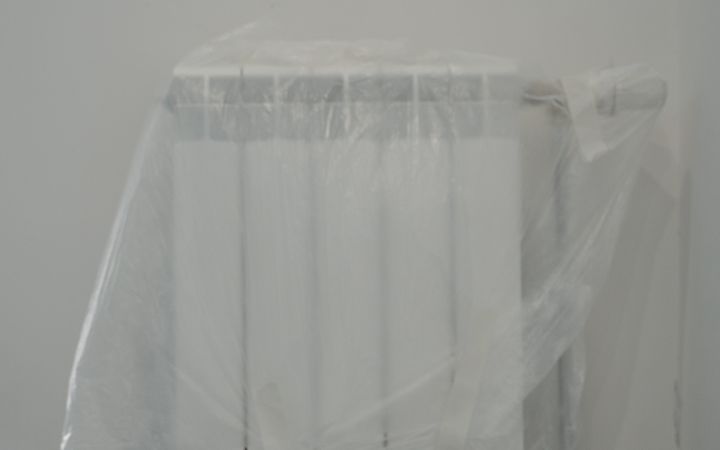
Ventilation and containment are key environmental steps. Running exhaust fans, opening doors when weather and security allow, using box fans to direct airflow, and sealing off work areas with plastic sheeting or temporary barriers can help keep dust and fumes out of living spaces.
Personal and household protections can also help. Wearing appropriate masks or respirators for dusty tasks, using temporary HEPA air cleaners in adjacent rooms, and moving sensitive items or linens away from the work area are practical steps to consider.
Communication and scheduling matter. Share preferences and concerns with contractors or housemates, plan high‑dust jobs for times when occupants can stay elsewhere if convenient, and allow time for thorough cleaning and airing out before re‑occupying treated areas.
After work, focus on careful cleanup and ongoing maintenance. Wet-wiping surfaces, vacuuming with a HEPA‑filtered vacuum, changing HVAC and portable filter cartridges as recommended, and wiping down ventilation grilles can help reduce lingering particles in the weeks after a project.
Daily articles
Subscribe for daily reads and jump into the latest article now.
Receive RhinitisRank articles by text message and email each day, then head straight to the article library whenever you want a deeper read.

Fresh reading
Educational reads for flare-ups, patterns, and next steps.
Related reading
More articles in this topic cluster
Continue with nearby rhinitis questions, symptom patterns, and follow-up reading.
Managing Rhinitis During Home Renovation: Practical Tips
Renovations can release dust, paint fumes, and other irritants linked to rhinitis flare-ups. Learn practical steps for planning, containment, and post-work cleanup to limit exposure.

Rhinitis and Home Renovation: Planning, Protection, and Pace
Renovations can stir up common rhinitis triggers. This guide covers planning, containment, protective options, and cleanup to help limit exposure during DIY or contractor work.
Living Through Home Renovations When You Have Rhinitis
Renovations often raise triggers for rhinitis like dust and paint fumes. Simple planning, containment, and cleaning steps can make the work less bothersome.
Archive
Back to the article hub
Browse more RhinitisRank articles and long-tail education pages.
OpenPractical tools
Move into practical resources
Open tools like the trigger diary, checklists, and visit-prep resources.
OpenQuick assessment
Take the rhinitis quiz
Turn symptoms into a clearer starting point before your next appointment.
Open