

Moving and Renovating When You Have Rhinitis
Renovations and moves often raise dust, odors, and other triggers that can affect rhinitis symptoms. Practical planning and on-the-day strategies can help reduce exposures and keep tasks more comfortable.
In brief
Planning, packing, ventilation, and cleaning choices can lower common triggers encountered during moves or home renovations. Small adjustments in timing and setup may make a big difference.
Photo by RDNE Stock project on Pexels
Renovation and moving often bring increased dust, paint or adhesive odors, and disturbed materials that can bother people with rhinitis. Recognizing which parts of the process are most likely to raise irritants — demolition, sanding, painting, or unpacking — helps you plan steps to limit exposure.
Before work starts, consider timing and communication: pick moving or renovation dates when you can take breaks or arrange temporary stays if needed. Let contractors or movers know about scent sensitivity and ask about low-odor materials, ventilation plans, and anticipated dusty tasks so you can prepare.
Packing and unpacking choices can reduce airborne particles. Use sealed containers or plastic bins for stored items, label boxes so unpacking is efficient, and open boxes in a well-ventilated area rather than inside enclosed rooms. Wiping dusty items with a damp cloth can trap dust instead of sending it into the air.
On-site actions that may help include keeping work areas isolated with plastic sheeting where possible, running an air purifier with a recommended filter for particulates, and avoiding dry sweeping in favor of damp cleaning or a vacuum with a HEPA-style filter. Taking regular breaks away from the work zone and planning high-dust jobs for times when you’re less likely to be in the space can also reduce exposure.
If symptoms become bothersome, pause and move to fresher air or a different location until conditions have improved. Bringing basic supplies like tissues, a bottle of water, and easy-to-access nasal care items can make short stays more comfortable. For any concerns about how a move or renovation could affect your rhinitis, consider discussing plans with a healthcare provider before starting work.
Daily articles
Subscribe for daily reads and jump into the latest article now.
Receive RhinitisRank articles by text message and email each day, then head straight to the article library whenever you want a deeper read.

Fresh reading
Educational reads for flare-ups, patterns, and next steps.
Related reading
More articles in this topic cluster
Continue with nearby rhinitis questions, symptom patterns, and follow-up reading.
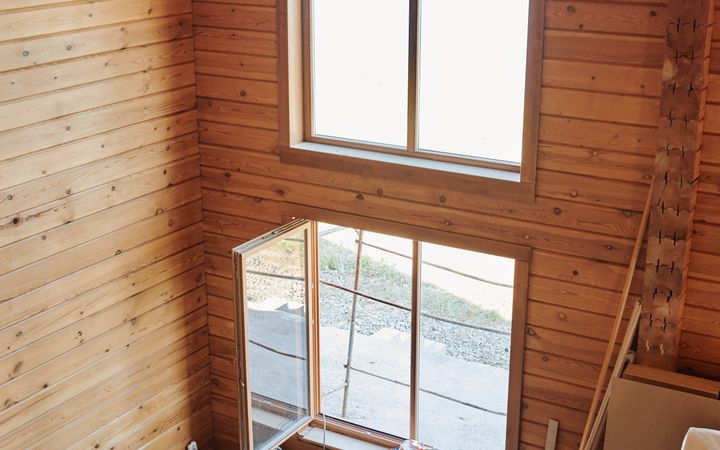
Managing Rhinitis During Home Renovations and Repairs
Renovations bring common rhinitis triggers like dust and paint fumes. Learn general strategies for planning, ventilation, cleaning, and communicating with contractors.
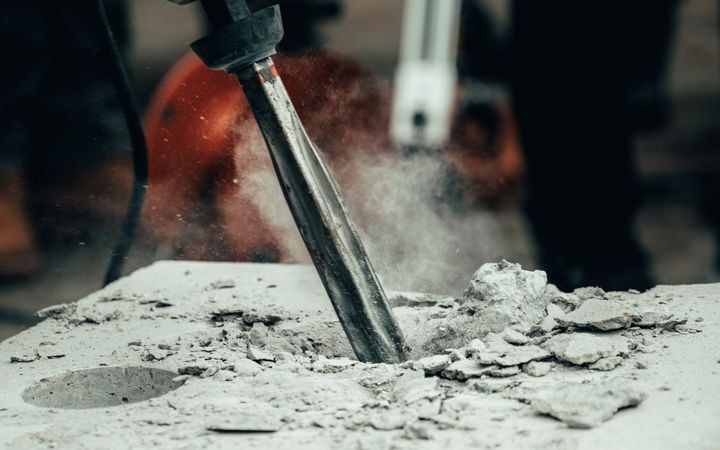
Managing Rhinitis During Home Renovation and DIY Projects
A practical guide for people with rhinitis planning renovations or DIY work. Learn how to reduce dust and fume exposure, coordinate with contractors, and stage living spaces.
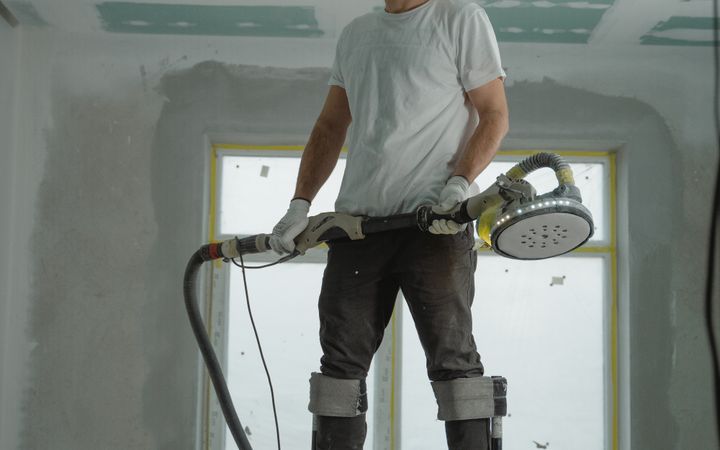
How to Manage Rhinitis During Home Renovations
Small planning steps and on-site choices may lower exposure to common renovation triggers. Learn practical options to consider before, during, and after a remodel.
Archive
Back to the article hub
Browse more RhinitisRank articles and long-tail education pages.
OpenPractical tools
Move into practical resources
Open tools like the trigger diary, checklists, and visit-prep resources.
OpenQuick assessment
Take the rhinitis quiz
Turn symptoms into a clearer starting point before your next appointment.
Open