

Renovating with Rhinitis: Managing Dust and Fumes
Home projects can stir up dust, fumes, and other airborne irritants that affect people with rhinitis. Practical planning and clearer communication with contractors can reduce exposure and disruption.
In brief
Renovations often create triggers like drywall dust and paint fumes. Learn practical, non-prescriptive ways to plan, limit exposure, and talk with workers before a project.
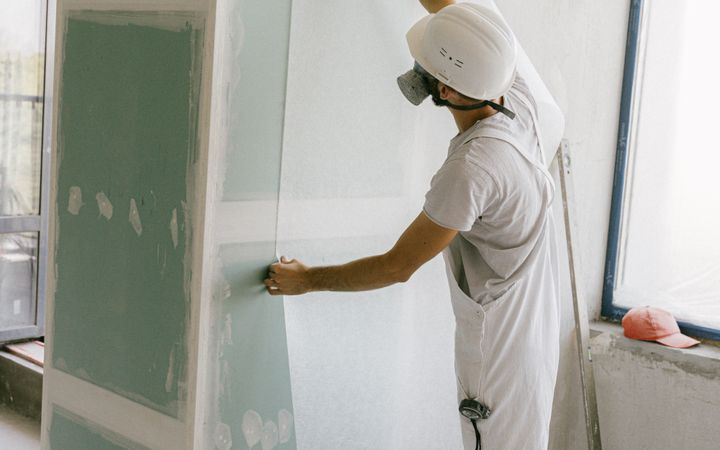
Photo by Tima Miroshnichenko on Pexels
Renovation projects often raise airborne particles and odors that can bother people with rhinitis. Planning ahead and understanding common sources of irritation can make projects less disruptive and help household members decide how involved to be.
Common sources to watch for include sanding and demolition dust, drywall and insulation particles, paint fumes, adhesives and sealants, and disturbed mold or old flooring compounds. Each of these can release small particles or volatile compounds into the air that some people find irritating.
Consider steps that reduce the spread of dust and fumes: creating temporary barriers around work zones, using local exhaust or increased fresh-air ventilation where available, timing dusty activities when fewer people are present, and keeping HVAC systems off or filtered during heavy work. Talking about cleanup routines and containment options with anyone doing the work can help set expectations.
Some people find that minimizing direct exposure helps, such as using a dedicated set of work clothes, changing and showering after longer visits, or asking contractors about particulate control measures. Wearing a fitted particulate mask during brief entries to an active work area is another commonly used approach, while recognizing individual comfort and needs vary.
When choosing materials and workers, consider asking about low-odor or low-VOC product options and dust-control practices. After major work, airing the space, vacuuming with a HEPA-capable device, and wiping surfaces may reduce lingering dust; timing re-entry based on odor and visible dust can also help. Clear communication, realistic scheduling, and small preventive steps can lessen the impact of renovation on rhinitis-related irritation.
Daily articles
Subscribe for daily reads and jump into the latest article now.
Receive RhinitisRank articles by text message and email each day, then head straight to the article library whenever you want a deeper read.

Fresh reading
Educational reads for flare-ups, patterns, and next steps.
Related reading
More articles in this topic cluster
Continue with nearby rhinitis questions, symptom patterns, and follow-up reading.

Managing Rhinitis During Home Renovation and DIY Projects
Renovation work often produces dust, paint fumes, and airborne irritants. Learn practical steps to limit exposure and plan tasks around rhinitis sensitivity.

Managing Rhinitis During Home Renovations and DIY
Planning, timing and simple on-site steps can lower exposure to renovation triggers. This guide offers practical ideas to reduce dust, paint fumes and other irritants during home work.
Managing Rhinitis During Home Renovations and DIY Projects
Practical strategies to limit dust, fumes, and other triggers when renovating or doing DIY tasks at home.
Archive
Back to the article hub
Browse more RhinitisRank articles and long-tail education pages.
OpenPractical tools
Move into practical resources
Open tools like the trigger diary, checklists, and visit-prep resources.
OpenQuick assessment
Take the rhinitis quiz
Turn symptoms into a clearer starting point before your next appointment.
Open