
Managing Rhinitis During Home Renovations and DIY
Home projects can stir dust and fumes that affect nasal comfort. Practical, general strategies can help reduce exposure before, during, and after work.
In brief
Renovations and DIY can increase airborne irritants that influence rhinitis. Learn general steps — planning, dust controls, ventilation, and cleanup — to limit exposure.
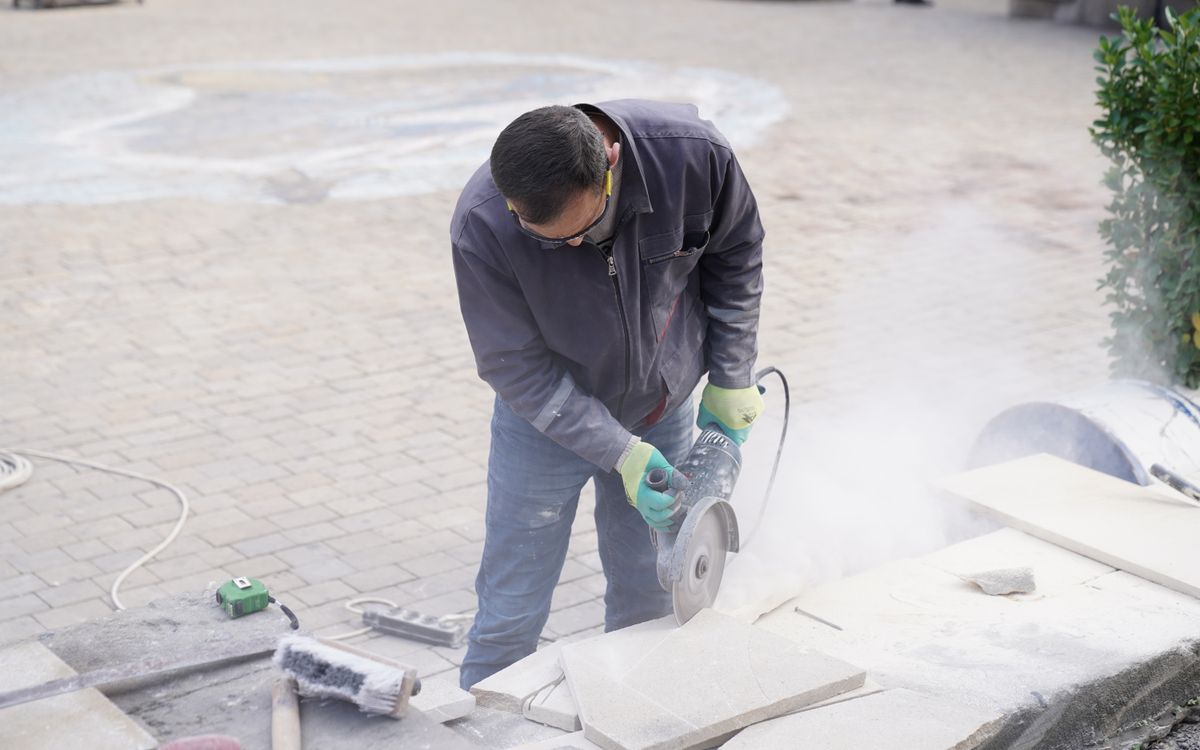
Photo by Tahir Xəlfə on Pexels
Home renovations and DIY work can stir up dust and release odors and fumes from paints, adhesives, and finishes. For people with rhinitis, these airborne irritants may change how symptoms feel. This article outlines practical, non-prescriptive steps to reduce exposure around projects.
Before work begins, a little planning can help limit direct exposure. Consider scheduling higher-dust tasks when fewer people are at home, temporarily relocating sensitive activities, and removing or covering cluttered items so dust has fewer places to settle.
During active work, basic controls may reduce airborne particles and odors. Common approaches include dampening dusty surfaces before sweeping, using HEPA-capable vacuums, keeping the work area contained, and increasing ventilation by directing airflow toward an outdoor exit. Following product and tool instructions can also help minimize unnecessary emissions.
After the job, thorough cleaning and airing out the space are typical steps people use to reduce remaining irritants. Wiping surfaces, vacuuming with a HEPA-filtered device, and allowing time for paints or finishes to off-gas are common practices. Some people also replace or clean HVAC filters and run air purifiers that capture fine particles.
When choosing products or contractors, looking for lower-odor or lower-emission options and asking about application and cleanup plans can be helpful. Communicating specific sensitivity concerns with professionals or household members may allow for adjustments like sequencing tasks, adding ventilation, or planning breaks. Personal responses vary, so observing how a space affects you and adjusting plans accordingly can be useful.
Daily articles
Subscribe for daily reads and jump into the latest article now.
Receive RhinitisRank articles by text message and email each day, then head straight to the article library whenever you want a deeper read.
Fresh reading
Educational reads for flare-ups, patterns, and next steps.
Related reading
More articles in this topic cluster
Continue with nearby rhinitis questions, symptom patterns, and follow-up reading.

Renovating with Rhinitis: Managing Dust and Fumes
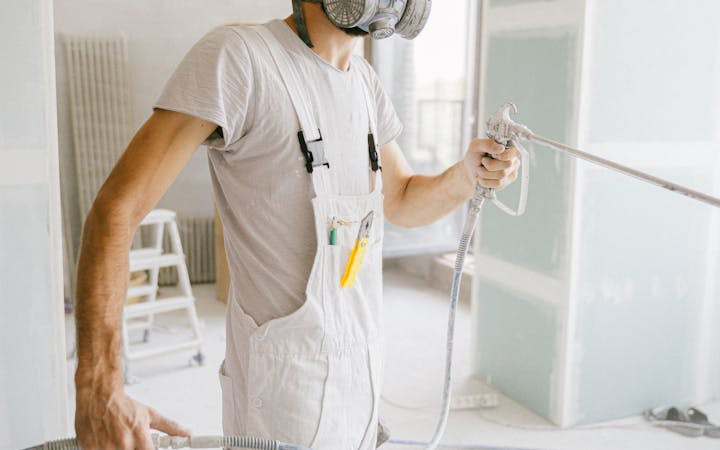
Renovations often create triggers like drywall dust and paint fumes. Learn practical, non-prescriptive ways to plan, limit exposure, and talk with workers before a project.
Managing Rhinitis During Home Renovations and Repairs
Renovations can increase rhinitis triggers like dust and paints. This guide outlines planning, dust control, ventilation, and contractor conversations to limit exposure.

Managing Rhinitis During Home Renovation and DIY Projects
Renovation work often produces dust, paint fumes, and airborne irritants. Learn practical steps to limit exposure and plan tasks around rhinitis sensitivity.
Archive
Back to the article hub
Browse more RhinitisRank articles and long-tail education pages.
OpenPractical tools
Move into practical resources
Open tools like the trigger diary, checklists, and visit-prep resources.
OpenQuick assessment
Take the rhinitis quiz
Turn symptoms into a clearer starting point before your next appointment.
Open