

Managing Rhinitis During Home Renovations and DIY
Renovation work can raise dust, fumes and unpredictability. Practical planning and on-site steps can reduce common triggers and help you stay more comfortable during projects.
In brief
Planning, timing and simple on-site steps can lower exposure to renovation triggers. This guide offers practical ideas to reduce dust, paint fumes and other irritants during home work.
Photo by Marino Kurunić on Pexels
Home renovation and do-it-yourself projects often stir up dust, paint fumes and chemical odors that can aggravate nasal symptoms. Knowing common sources of irritants and planning ahead can help you limit exposure and reduce surprises while work is underway.
Start with planning and timing. If possible, schedule high-dust or high-fume tasks when you can be away from the house for several hours or days. Talk with contractors about the project schedule and ask about quieter, lower-emission options or staged work that keeps one area sealed while other areas remain usable.
Containment and ventilation make a big difference. Simple steps include sealing the work area with plastic sheeting, using exhaust fans directed outdoors, and running an air cleaner with a high-efficiency filter in nearby rooms. When windows can be opened safely, brief cross-ventilation can help clear airborne irritants faster.
On-site behaviors can reduce carryover of dust and odors. Consider wearing dedicated work clothes you can remove before re-entering living areas, wiping down surfaces after a day of work, and laundering textiles that collect dust. Some people choose short-term temporary relocation for major projects; others arrange to use a different room as a temporary living space.
After the work is done, focus on careful cleaning and settling-in steps. Wet-dusting hard surfaces, vacuuming with a filter-equipped vacuum, and washing curtains and linens can remove leftover particles. Running ventilation or an air cleaner for a few days and keeping freshly laundered bedding and clothing separate from dusty areas may help the space feel more comfortable as it returns to normal use.
Daily articles
Subscribe for daily reads and jump into the latest article now.
Receive RhinitisRank articles by text message and email each day, then head straight to the article library whenever you want a deeper read.

Fresh reading
Educational reads for flare-ups, patterns, and next steps.
Related reading
More articles in this topic cluster
Continue with nearby rhinitis questions, symptom patterns, and follow-up reading.

Managing Rhinitis During Home Renovations and Repairs
Before, during and after repair work, planning and communication can help limit exposure to dust, odors and other common renovation triggers for rhinitis.
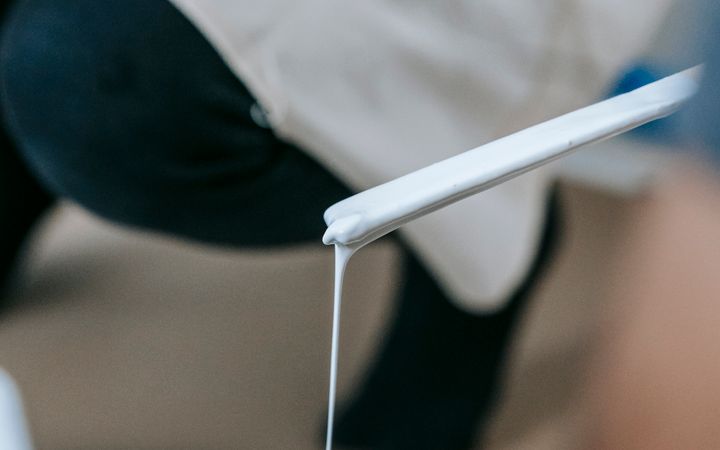
Managing Rhinitis During Home Renovation and Painting
Renovations often raise dust and release fumes that can make rhinitis symptoms more noticeable. Find practical, non-prescriptive strategies to lower exposure during projects.
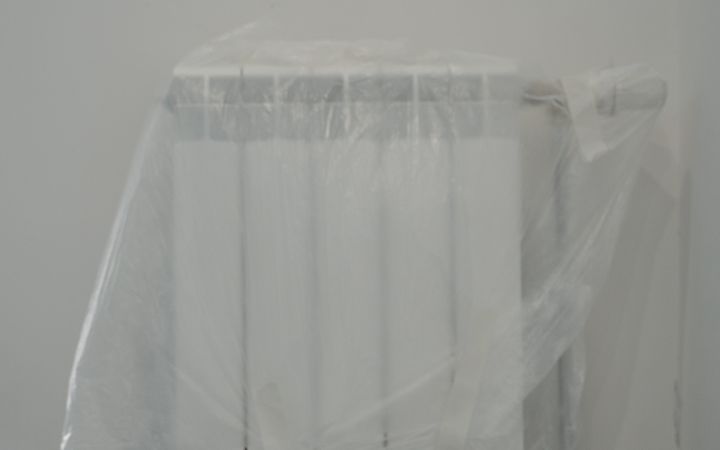
Managing Rhinitis During Home Renovation: Practical Tips
Renovations can release dust, paint fumes, and other irritants linked to rhinitis flare-ups. Learn practical steps for planning, containment, and post-work cleanup to limit exposure.
Archive
Back to the article hub
Browse more RhinitisRank articles and long-tail education pages.
OpenPractical tools
Move into practical resources
Open tools like the trigger diary, checklists, and visit-prep resources.
OpenQuick assessment
Take the rhinitis quiz
Turn symptoms into a clearer starting point before your next appointment.
Open