

Managing Rhinitis During Home Renovations and Repairs
Home projects often stir up dust, fumes, and strong odors that can affect rhinitis. Learn practical steps to plan, reduce exposure, and communicate with contractors.
In brief
Renovations can increase rhinitis triggers like dust and paints. This guide outlines planning, dust control, ventilation, and contractor conversations to limit exposure.
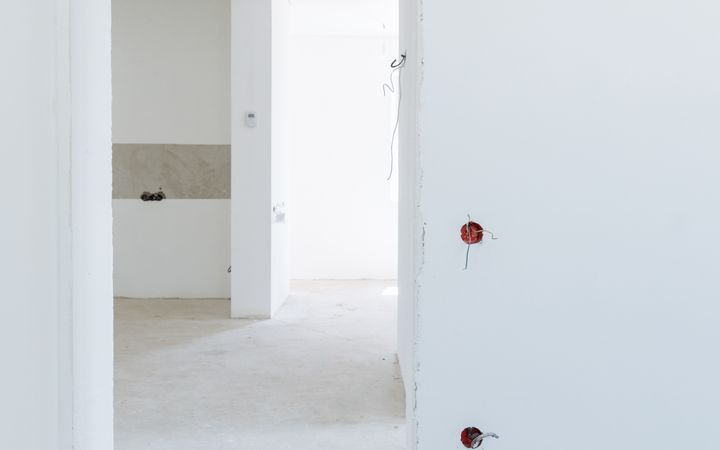
Photo by Duc Nguyen on Pexels
Renovations and repairs create a mix of dust, particulates, strong smells, and airborne irritants that many people with rhinitis notice. Being aware of common sources—sanding dust, drywall, paint, adhesives, and insulation—can help you plan projects with exposure reduction in mind. This article focuses on practical steps rather than medical guidance.
Start with planning and scheduling to reduce overlap between high-exposure work and times when you’re home. Consider staging work in unoccupied areas first, limiting the number of active work zones, and choosing lower-odor materials when available. Planning also means setting expectations with contractors about containment, timing, and ventilation.
Containment and dust control are central to limiting spread of particles. Techniques to consider include sealing off work areas with plastic sheeting, using doorway strips, running a HEPA air scrubber or purifier near the work zone, and requesting contractors to use HEPA-filter vacuums and wet-sanding methods when appropriate. Frequent floor and surface cleaning with a damp cloth or HEPA vacuum helps reduce settled dust.
Ventilation and airflow management can help move airborne odors and dust out of living spaces. Simple measures include opening windows when conditions and weather allow, using exhaust fans, and temporarily turning off or isolating HVAC systems so dust does not circulate through ducts. If hiring professionals, discuss whether they will set up negative-pressure ventilation or other measures to protect the rest of the home.
Clear communication with contractors and housemates makes mitigation more effective. Ask about materials, timelines, cleanup practices, and protective measures such as onsite masks or containment protocols. After work is finished, change HVAC filters, vacuum with HEPA equipment, launder textiles exposed to dust, and do a deep-clean of surfaces; if symptoms change or persist, consider discussing them with a healthcare provider for personalized guidance.
Daily articles
Subscribe for daily reads and jump into the latest article now.
Receive RhinitisRank articles by text message and email each day, then head straight to the article library whenever you want a deeper read.

Fresh reading
Educational reads for flare-ups, patterns, and next steps.
Related reading
More articles in this topic cluster
Continue with nearby rhinitis questions, symptom patterns, and follow-up reading.
Living Through Home Renovations When You Have Rhinitis
Renovations often raise triggers for rhinitis like dust and paint fumes. Simple planning, containment, and cleaning steps can make the work less bothersome.

Managing Rhinitis During Home Renovations and DIY
Planning, timing and simple on-site steps can lower exposure to renovation triggers. This guide offers practical ideas to reduce dust, paint fumes and other irritants during home work.

Managing Rhinitis During Home Renovations and Repairs
Before, during and after repair work, planning and communication can help limit exposure to dust, odors and other common renovation triggers for rhinitis.
Archive
Back to the article hub
Browse more RhinitisRank articles and long-tail education pages.
OpenPractical tools
Move into practical resources
Open tools like the trigger diary, checklists, and visit-prep resources.
OpenQuick assessment
Take the rhinitis quiz
Turn symptoms into a clearer starting point before your next appointment.
Open