

Managing Rhinitis During Home Renovation and DIY Projects
Practical planning and environmental strategies to limit exposure to renovation-related triggers. Guidance on communication, workspace setup, and timing to make projects more manageable.
In brief
A practical guide for people with rhinitis planning renovations or DIY work. Learn how to reduce dust and fume exposure, coordinate with contractors, and stage living spaces.
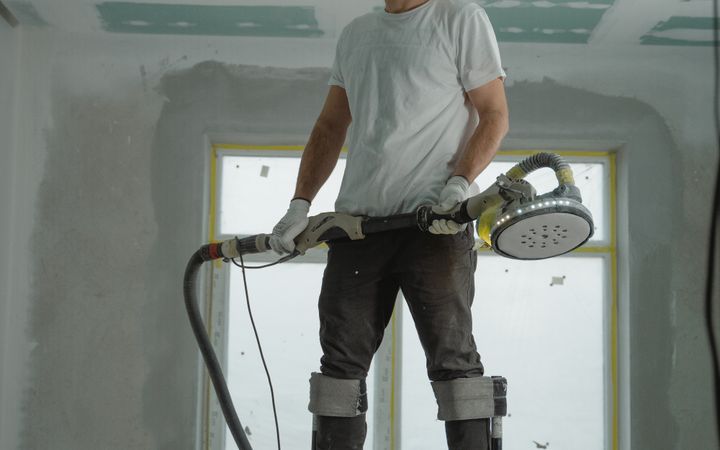
Photo by Thijs van der Weide on Pexels
Home renovation and DIY work often involve dust, paint odors, adhesives, and other materials that some people with rhinitis find irritating. Thinking through the project in advance can help reduce exposure and make the work go more smoothly for everyone involved.
Before work begins, consider discussing materials and timelines with anyone doing the work. Asking about low-VOC paints, solvent-free adhesives, and dust-control methods can help you choose options that may be less likely to produce strong odors or airborne particles.
On-site measures can limit spread of dust and fumes. Sealing off work areas with plastic sheeting, using exhaust fans or temporary ventilation, and running an air cleaner with a HEPA filter nearby are common approaches that people often use to reduce airborne particulates.
Planning personal logistics can also help. Scheduling the most disruptive tasks when you can be away, storing bedding and clothes in sealed containers, and keeping a simple cleaning routine for settled dust are practical steps to consider. Some people find a well-fitting dust-rated mask helpful during high-dust activities; if you try one, look for a product suited to construction particles rather than general odor control.
Clear communication with contractors, housemates, or family members about timing, access, and cleanup expectations can reduce surprises. After work finishes, airing the space and targeted cleaning of surfaces and air pathways often helps restore comfort; keeping a short checklist for pre- and post-work steps can make future projects easier to manage.
Daily articles
Subscribe for daily reads and jump into the latest article now.
Receive RhinitisRank articles by text message and email each day, then head straight to the article library whenever you want a deeper read.

Fresh reading
Educational reads for flare-ups, patterns, and next steps.
Related reading
More articles in this topic cluster
Continue with nearby rhinitis questions, symptom patterns, and follow-up reading.

Managing Rhinitis During Home Renovation and DIY Projects
Renovation work often produces dust, paint fumes, and airborne irritants. Learn practical steps to limit exposure and plan tasks around rhinitis sensitivity.
How to Manage Rhinitis During Home Renovations
Small planning steps and on-site choices may lower exposure to common renovation triggers. Learn practical options to consider before, during, and after a remodel.
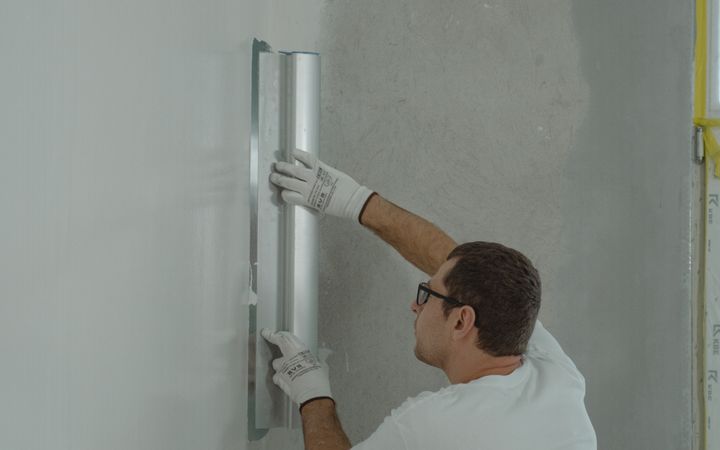
Managing Rhinitis During Home Renovations and DIY Projects
Renovation work can introduce common rhinitis triggers like dust and paint fumes. Learn practical, non-prescriptive strategies to reduce exposure while planning and working.
Archive
Back to the article hub
Browse more RhinitisRank articles and long-tail education pages.
OpenPractical tools
Move into practical resources
Open tools like the trigger diary, checklists, and visit-prep resources.
OpenQuick assessment
Take the rhinitis quiz
Turn symptoms into a clearer starting point before your next appointment.
Open