
How Humidity Affects Rhinitis: Practical Home Control Tips
Small changes to indoor humidity can influence rhinitis comfort and common triggers. This guide explains humidity’s role and simple ways to monitor and adjust moisture at home.
In brief
Adjusting indoor humidity and ventilation can affect how comfortable rhinitis feels. Practical, general strategies for monitoring moisture and choosing humidification or dehumidification options.
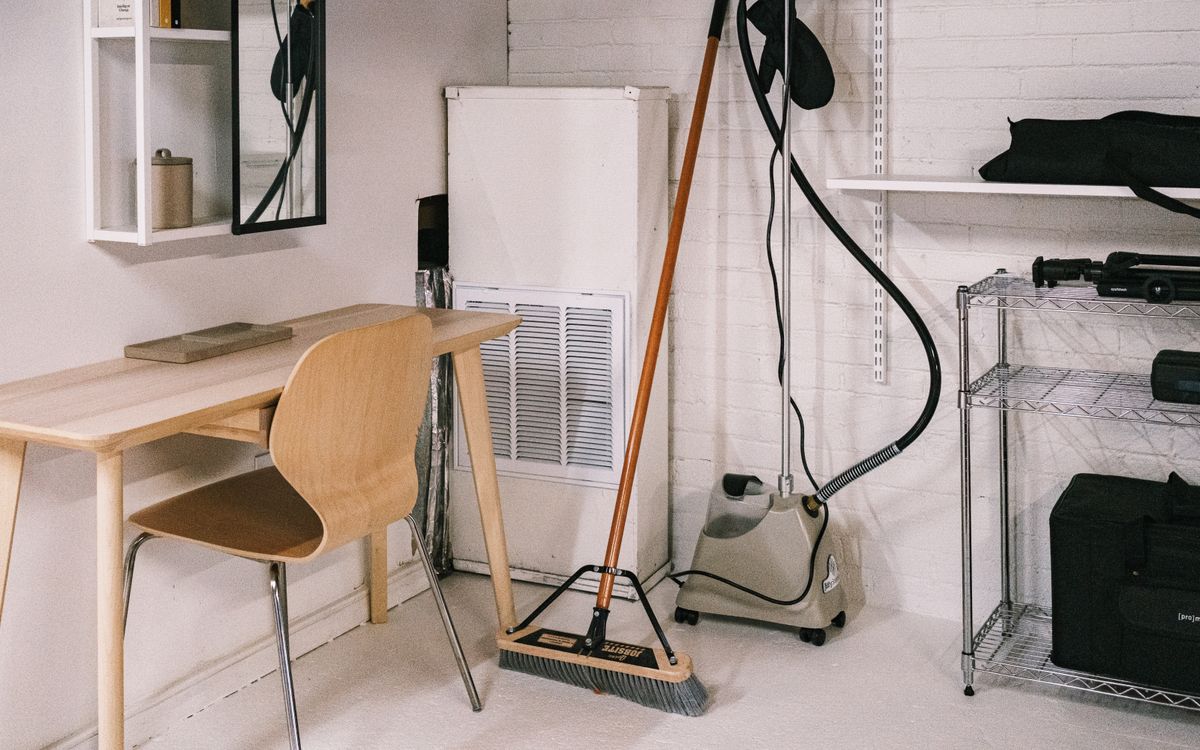
Photo by Alec Adriano on Pexels
Indoor humidity can influence the environment around the nose and throat in ways some people with rhinitis notice. Higher moisture can encourage mold and dust-mite growth, while very dry air can lead to a sense of nasal dryness or irritation. Paying attention to humidity is part of managing environmental triggers without changing medications or treatments.
Start by monitoring indoor moisture with a simple hygrometer placed in living areas and near problem rooms like bathrooms. Check levels at different times of day to notice patterns — for example, after cooking, showering, or running heating and cooling systems. A baseline sense of how damp or dry your home gets helps you decide whether to add or remove moisture.
When air feels dry, options include short-term steps such as using a humidifier or introducing steam during tasks like showering. Humidifying devices come in different types; follow manufacturer guidance and be careful not to over-humidify, since excess moisture can create other issues. If you try a humidifier, regular cleaning and using appropriate water can help reduce the chance of mineral or microbial buildup.
If indoor air seems persistently damp, improving ventilation and reducing sources of moisture can help. Run exhaust fans when cooking or showering, use dryer vents that exhaust outdoors, and consider a dehumidifier in consistently humid spaces like basements. Keeping laundry and other wet items away from living areas and ensuring bathroom and kitchen fans are functional can also reduce lingering moisture.
Routine maintenance matters: clean humidifiers and dehumidifiers according to instructions, change HVAC filters as recommended, and empty standing water from trays and buckets. Proper care helps minimize mold, bacteria, or dust accumulation that could worsen indoor air quality. Simple habits — like airing out rooms briefly on dry days — can make a measurable difference.
If humidity decisions feel confusing or you notice persistent symptom changes linked to indoor moisture, consider discussing your situation with a healthcare provider or an indoor air specialist for tailored guidance. This article offers general information and is not intended as medical advice or a substitute for professional assessment.
Daily articles
Subscribe for daily reads and jump into the latest article now.
Receive RhinitisRank articles by text message and email each day, then head straight to the article library whenever you want a deeper read.

Fresh reading
Educational reads for flare-ups, patterns, and next steps.
Related reading
More articles in this topic cluster
Continue with nearby rhinitis questions, symptom patterns, and follow-up reading.

Using Humidifiers and Air Purifiers with Rhinitis
Practical tips for choosing and maintaining humidifiers and air purifiers to support nasal comfort at home and work. Simple steps and cautionary notes to consider.

Humidifiers, Purifiers, and Ventilation: Indoor Air Tips for Rhinitis
Practical, non-prescriptive pointers on using humidifiers, purifiers, and ventilation to manage indoor triggers. Focus on placement, cleanliness, and sensible use.

Rhinitis-Friendly Gardening: Yard Work and Plant Care
A short guide to gardening with rhinitis: learn planning tips, low-irritant planting ideas, and post-gardening habits that can help you manage exposure while enjoying yard work.
Archive
Back to the article hub
Browse more RhinitisRank articles and long-tail education pages.
OpenPractical tools
Move into practical resources
Open tools like the trigger diary, checklists, and visit-prep resources.
OpenQuick assessment
Take the rhinitis quiz
Turn symptoms into a clearer starting point before your next appointment.
Open