

Rhinitis-Friendly Gardening: Yard Work and Plant Care
Practical, general information for people with rhinitis who want to spend time in the garden without surprises. Focuses on planning, plant choices, protective steps, and simple cleanup routines.
In brief
A short guide to gardening with rhinitis: learn planning tips, low-irritant planting ideas, and post-gardening habits that can help you manage exposure while enjoying yard work.
Photo by Tima Miroshnichenko on Pexels
Many people with rhinitis enjoy gardening, but outdoor tasks can bring contact with pollen, soil dust, compost, and strong plant scents. These are common environmental factors that some people notice during yard work. This article gives general strategies to reduce exposure and make gardening more comfortable.
Think about timing and task planning when possible. Some gardeners schedule bushing or mowing for times when airborne pollen is often lower, or dampen dry soil lightly to reduce dust before digging. Wearing protective gear such as gloves, eye protection, and a well-fitting face covering is a choice some people find helpful for certain chores.
Plant selection and garden layout can influence how much airborne material reaches an outdoor seating area or doorway. Choosing lower-pollen or less-fragrant species near patios, using containers for high-maintenance plants, and placing compost or leaf piles away from frequently used paths are practical considerations to try.
Post-gardening routines can limit carry-home exposure. Changing clothes, rinsing hands and face, and wiping down tools may reduce the amount of debris carried indoors. Some people also find saline sprays or rinses useful as part of immediate cleanup, though experiences vary.
Track what works for you and adjust activities by observing which tasks cause more nasal irritation. If rhinitis affects your ability to enjoy gardening, consider discussing options with a clinician or local allergy resource for personalized guidance. Small, gradual changes often help find a balance between symptom management and enjoying outdoor time.
Daily articles
Subscribe for daily reads and jump into the latest article now.
Receive RhinitisRank articles by text message and email each day, then head straight to the article library whenever you want a deeper read.

Fresh reading
Educational reads for flare-ups, patterns, and next steps.
Related reading
More articles in this topic cluster
Continue with nearby rhinitis questions, symptom patterns, and follow-up reading.
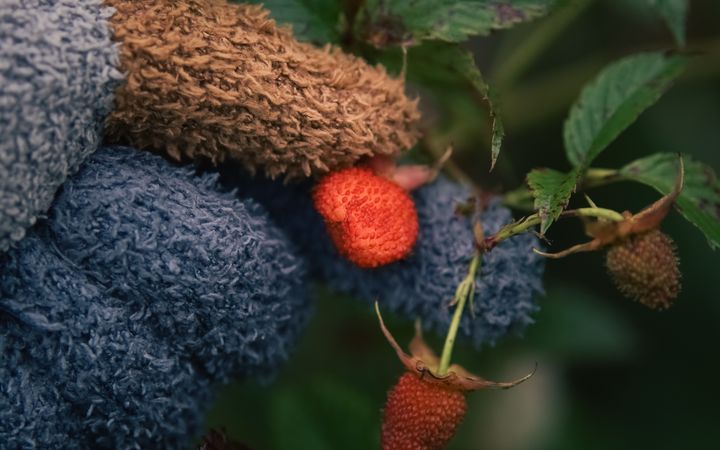
Gardening with Rhinitis: Practical Yard and Plant Tips
Plan timing, adapt tasks, and pick protective options to limit exposure while gardening. Small changes can make outdoor projects more comfortable for people with rhinitis.
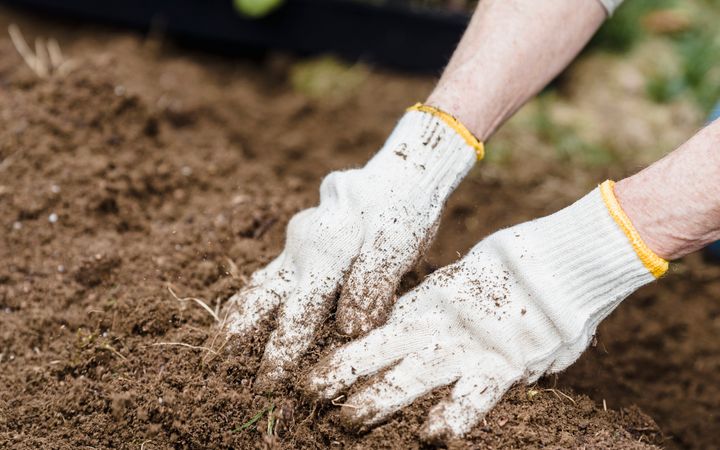
Gardening with Rhinitis: Planning, Plants, and Timing
Practical ideas for gardening when rhinitis is a factor — from picking plants to planning tasks and limiting compost or pollen exposure.
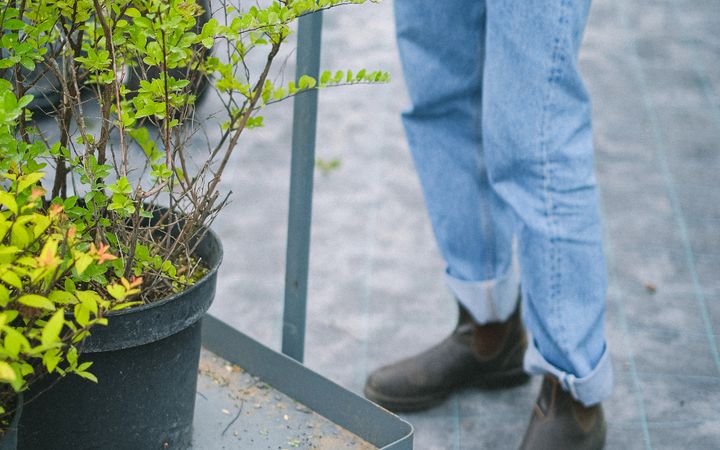
Gardening with Rhinitis: Planning, Timing, and Tool Tips
Practical ideas for timing, protective gear, plant choices, and cleanup to lower rhinitis triggers while gardening. Focuses on general strategies rather than medical advice.
Archive
Back to the article hub
Browse more RhinitisRank articles and long-tail education pages.
OpenPractical tools
Move into practical resources
Open tools like the trigger diary, checklists, and visit-prep resources.
OpenQuick assessment
Take the rhinitis quiz
Turn symptoms into a clearer starting point before your next appointment.
Open