
Cooking with Rhinitis: Reducing Kitchen Triggers for Comfort
Everyday cooking can bring strong smells, steam, and smoke that affect nasal comfort. This guide offers practical, non-prescriptive ideas to plan and adapt kitchen time.
In brief
Practical steps to reduce common kitchen triggers, adjust cooking steps, and use ventilation and timing to make meal prep more comfortable for people with rhinitis.
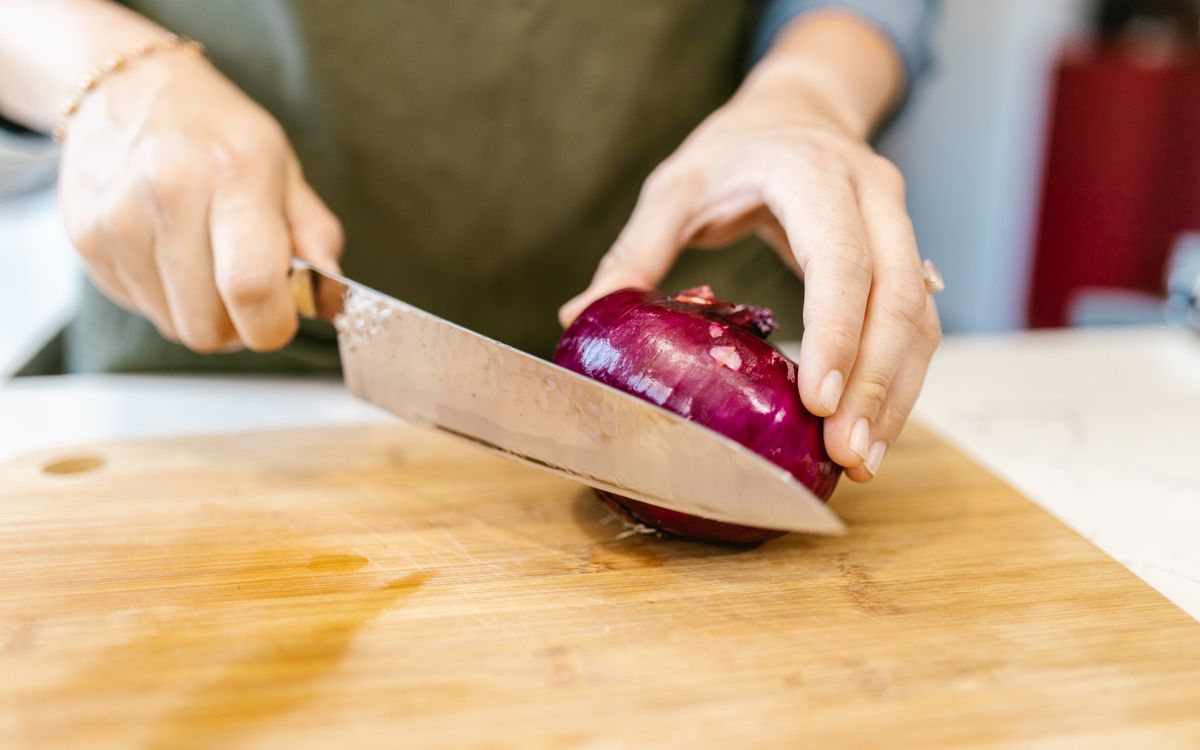
Photo by RDNE Stock project on Pexels
Kitchens contain several common rhinitis triggers: strong food aromas (onions, garlic, frying oils), steam, smoke, and cleaning sprays. People with nasal sensitivity often notice different reactions depending on the ingredient, cooking method, and airflow in the space. Observing which combinations tend to bother you can help you choose which strategies to try.
Small changes in prep and technique may reduce exposure to strong smells. Examples include chilling or rinsing certain foods before cutting, using lids to contain steam and fumes, and preferring lower-heat methods when practical. These are practical options to experiment with rather than definitive solutions.
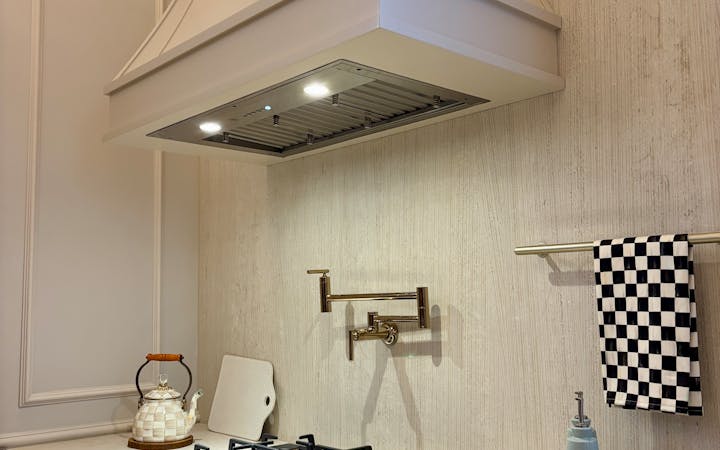
Ventilation and airflow are important considerations in the kitchen. Using a range hood, moving air with a fan (directed away from you), or briefly opening a window can help clear the air during and after cooking. Keeping strong-smelling ingredients sealed in containers until needed can also limit scent spread.
Planning and pacing can make cooking more comfortable on days when symptoms are noticeable. Preparing partly ahead of time, scheduling cooking when you tend to feel better, and taking short breaks away from the stove are simple approaches to test. Having tissues, water, or a small damp cloth nearby can help manage immediate irritation while you finish a task.
If you share cooking duties, clear communication about sensitivities and preferred techniques can reduce surprises and make shared meals easier to prepare. Keep a short note of what you tried and how it felt—small experiments and tracking over time often reveal patterns that help you plan future meals with more comfort.
Daily articles
Subscribe for daily reads and jump into the latest article now.
Receive RhinitisRank articles by text message and email each day, then head straight to the article library whenever you want a deeper read.

Fresh reading
Educational reads for flare-ups, patterns, and next steps.
Related reading
More articles in this topic cluster
Continue with nearby rhinitis questions, symptom patterns, and follow-up reading.
Rhinitis and Home Cooking: Managing Kitchen Triggers
Many people with rhinitis notice that certain smells, steam, or smoke from cooking seem to coincide with nasal symptoms. This article highlights practical, non-prescriptive ways to reduce exposure to common kitchen triggers and make meal prep more comfortable.

Living Through Home Renovations with Rhinitis: Practical Tips
Home projects can aggravate rhinitis symptoms. Learn practical ways to plan, limit exposure during work, and clean up afterward to reduce triggers.

Cooking and Meal Prep with Rhinitis: Minimizing Kitchen Triggers
Understand how common cooking smells and steam can affect rhinitis and learn simple steps to make meal prep more comfortable without medical advice.
Archive
Back to the article hub
Browse more RhinitisRank articles and long-tail education pages.
OpenPractical tools
Move into practical resources
Open tools like the trigger diary, checklists, and visit-prep resources.
OpenQuick assessment
Take the rhinitis quiz
Turn symptoms into a clearer starting point before your next appointment.
Open