
Cooking with Rhinitis: Kitchen Tips to Reduce Triggers
Smells, steam and smoke in the kitchen can bring on nasal symptoms for many people. These practical, non-medical ideas can make meal prep more comfortable.
In brief
Small changes in ventilation, timing and ingredient choices can cut common cooking triggers. Quick tips to help make preparing meals easier when you have rhinitis.
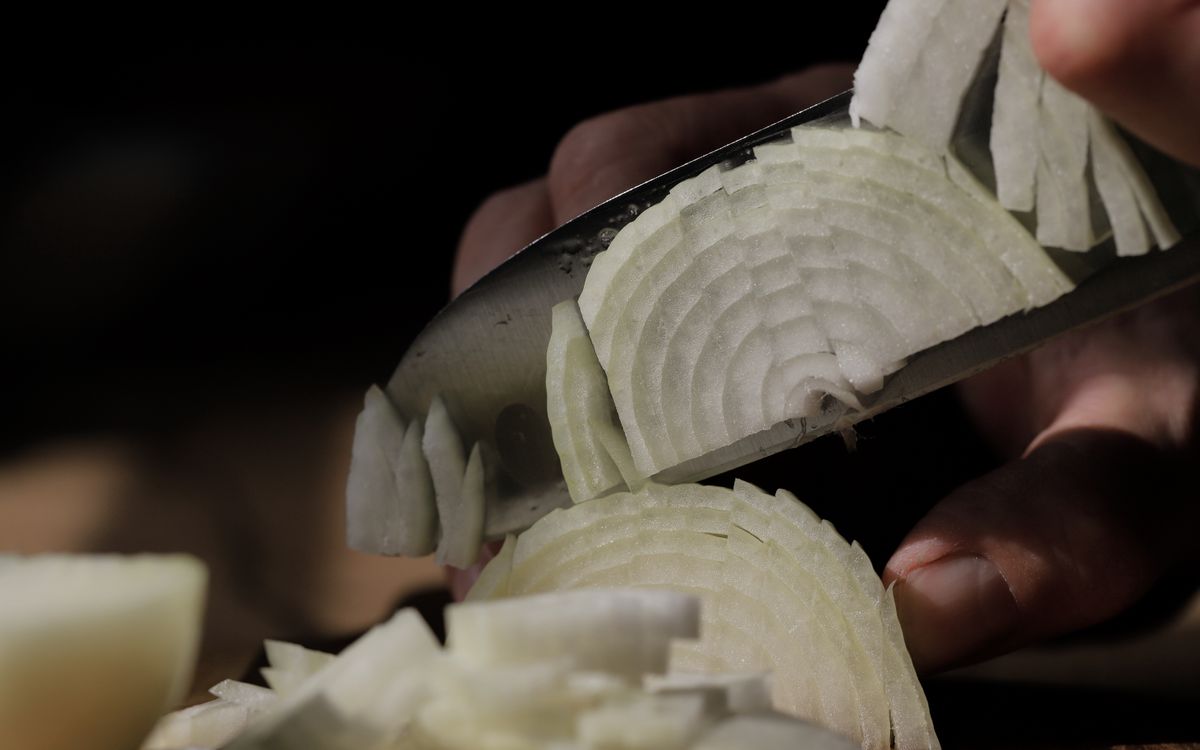
Photo by Christina & Peter on Pexels
Many people with rhinitis notice stronger nasal symptoms around certain cooking smells, steam, smoke, and spices. Recognizing which parts of meal prep tend to bother you can help guide small changes that reduce exposure without stopping you from cooking.
Good ventilation is one of the most useful steps to try: run the range hood, turn on an exhaust fan, or open an exterior door or window if weather and safety allow. Using lids when simmering, reducing frying or charring, and running the vent a few minutes after cooking can help clear lingering fumes.
Ingredient and method choices also matter for some people. Pre-chopped or pre-cooked ingredients, milder spice blends, or using a slow cooker, oven, or microwave instead of high-heat sautéing can cut strong odors and steam. Consider doing the steps that cause the most irritation (like slicing onions or toasting spices) last, or ask a household member to handle them when possible.
Small setup changes make a difference during cooking: keep tissues and a glass of water nearby, work at a comfortable pace, and step outside briefly if a smell becomes intense. Some cooks find wearing a lightweight mask or goggles reduces irritation for tasks that bother them, while others prefer hands-off solutions like food processors or steamers.
After cooking, wipe surfaces, discard greasy scraps promptly, and store pungent ingredients in sealed containers to limit lingering odors. If indoor air quality is a persistent concern, adding a portable air filter or adjusting routine cleaning may be worth exploring as part of a broader plan to reduce everyday triggers.
Daily articles
Subscribe for daily reads and jump into the latest article now.
Receive RhinitisRank articles by text message and email each day, then head straight to the article library whenever you want a deeper read.

Fresh reading
Educational reads for flare-ups, patterns, and next steps.
Related reading
More articles in this topic cluster
Continue with nearby rhinitis questions, symptom patterns, and follow-up reading.

Cooking with Rhinitis: Reducing Kitchen Irritants and Discomfort
Cooking produces odors, steam, and smoke that can bother people with rhinitis. This article outlines common triggers and simple home strategies to consider.

Cooking with Rhinitis: Reducing Kitchen Triggers for Comfort
Practical steps to reduce common kitchen triggers, adjust cooking steps, and use ventilation and timing to make meal prep more comfortable for people with rhinitis.
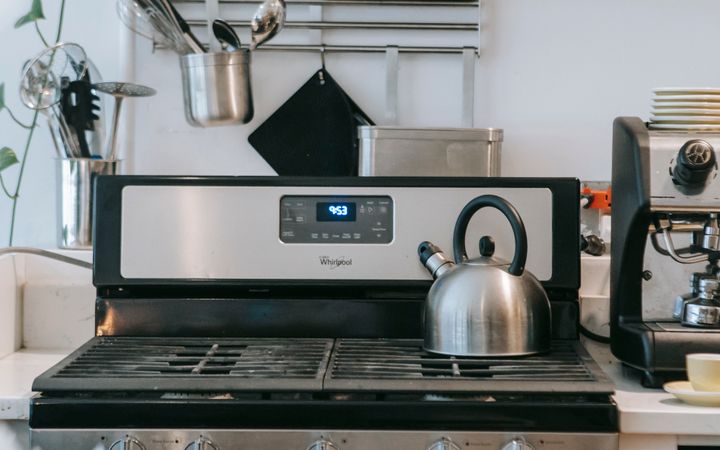
Cooking Without the Sneezes: Rhinitis-Friendly Kitchen Tips
Simple changes in how and what you cook can help limit kitchen smells and steam that bother some people with rhinitis. Try ventilation, ingredient choices, and timing ideas.
Archive
Back to the article hub
Browse more RhinitisRank articles and long-tail education pages.
OpenPractical tools
Move into practical resources
Open tools like the trigger diary, checklists, and visit-prep resources.
OpenQuick assessment
Take the rhinitis quiz
Turn symptoms into a clearer starting point before your next appointment.
Open