

Cooking with Rhinitis: Reducing Kitchen Triggers and Discomfort
Cooking can bring smells, steam, and smoke that bother people with rhinitis. Learn practical, low-effort strategies to cut exposure and make meal prep more comfortable.
In brief
Simple changes in ventilation, ingredient choices, and prep order can reduce common kitchen triggers for rhinitis. Small adjustments often make meals easier to prepare.
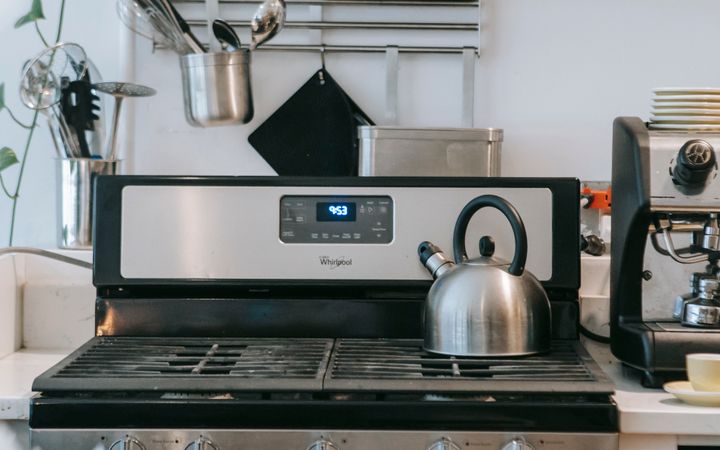
Photo by Christina & Peter on Pexels
Many people with rhinitis notice symptoms worsen during cooking because of smoke, strong aromas, steam, and airborne particles. Things like frying, charring, hot spices, and pungent vegetables commonly release irritants that can trigger sneezing, congestion, or runny nose. Understanding which kitchen activities correlate with symptoms is a helpful first step toward making cooking more comfortable.
Ventilation is one of the most useful approaches to reduce airborne triggers. Using a range hood that vents outdoors, opening a window, or running a portable air cleaner nearby can help disperse smoke and strong odors. Positioning yourself so that steam and vapors move away from your face during cooking may also make a difference.
Choosing cooking methods and timing can lower exposure to irritants. Baking, steaming with lids, slow-cooking, or preparing some dishes cold or pre-chopped can reduce frying and high-heat splatter. Cooking aromatic ingredients like onions, garlic, or hot peppers in smaller batches or off-peak times may also limit the intensity of smells in the kitchen.
Small practical tools and habits add up: use lids, splatter screens, or longer-handled utensils to create distance from hot oil and steam; keep a towel or damp cloth nearby to quickly wipe up splatters; and consider doing stronger-smelling tasks near ventilation. If you share a kitchen, communicate about timing and ventilation so others can help minimize triggers while cooking.
If you notice a consistent pattern of symptoms linked to specific foods or techniques, consider keeping a simple log of what you cooked and how you felt afterward. Tracking can clarify which triggers matter most and which adjustments are worth keeping. For ongoing concerns, discussing patterns with a health professional can help you explore options, but individual experiences and needs vary widely.
Daily articles
Subscribe for daily reads and jump into the latest article now.
Receive RhinitisRank articles by text message and email each day, then head straight to the article library whenever you want a deeper read.

Fresh reading
Educational reads for flare-ups, patterns, and next steps.
Related reading
More articles in this topic cluster
Continue with nearby rhinitis questions, symptom patterns, and follow-up reading.

Cooking and Rhinitis: Kitchen Strategies to Reduce Irritation
Learn ways to reduce smoke, strong aromas, and steam while preparing meals, plus planning and product tips to make cooking easier with rhinitis.
Cooking Without the Sneezes: Rhinitis-Friendly Kitchen Tips
Simple changes in how and what you cook can help limit kitchen smells and steam that bother some people with rhinitis. Try ventilation, ingredient choices, and timing ideas.

Cooking and Meal Prep with Rhinitis: Minimizing Kitchen Triggers
Understand how common cooking smells and steam can affect rhinitis and learn simple steps to make meal prep more comfortable without medical advice.
Archive
Back to the article hub
Browse more RhinitisRank articles and long-tail education pages.
OpenPractical tools
Move into practical resources
Open tools like the trigger diary, checklists, and visit-prep resources.
OpenQuick assessment
Take the rhinitis quiz
Turn symptoms into a clearer starting point before your next appointment.
Open