

Cooking and Rhinitis: Kitchen Strategies to Reduce Irritation
Simple, practical approaches for managing rhinitis triggers in the kitchen so cooking feels more comfortable and predictable.
In brief
Learn ways to reduce smoke, strong aromas, and steam while preparing meals, plus planning and product tips to make cooking easier with rhinitis.
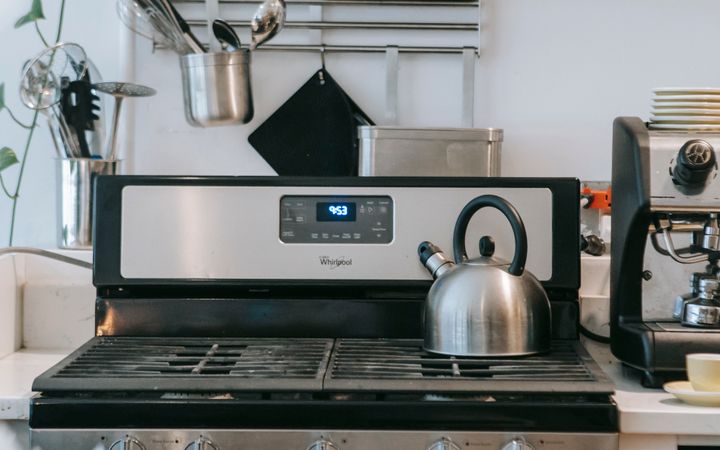
Photo by RDNE Stock project on Pexels
Many people with rhinitis find that cooking can bring on symptoms because of smoke, steam, strong spices, or cleaning products. Being aware of common kitchen triggers and how they arise can make meal prep more manageable and less unpredictable.
Planning can help. Choose recipes with lower-smoke techniques (such as baking, steaming, or slow-cooking), pre-chop ingredients when you are feeling well, and opt for milder spices or aromatics when strong smells are likely to cause irritation. Consider asking for help with high-heat tasks or timing meals for parts of the day when symptoms are typically milder.
Ventilation is often useful in limiting airborne irritants. Where possible, use an exhaust hood or fan, run the stove fan while cooking, and let the kitchen air clear after high-odor steps like frying or broiling. Keeping pots covered and reducing cooking temperature when safe for the recipe can also cut down on smoke and fumes.
Product choices and storage make a difference for some people. Store spices and strong-smelling ingredients in sealed containers, choose unscented cleaning products, and avoid aerosol sprays while cooking. Simple swaps—like using milder oils or pre-cooked proteins—can reduce the intensity of fumes without changing the meal too much.
If symptoms arise while you cook, stepping away briefly, taking short breaks in a fresher-air area, or rinsing your nose with a saline product (if that is already part of your routine) may help you feel steadier before returning to the kitchen. If rhinitis routinely interferes with meal preparation, it may be helpful to discuss coping strategies with a healthcare provider or an occupational specialist for individualized ideas.
Daily articles
Subscribe for daily reads and jump into the latest article now.
Receive RhinitisRank articles by text message and email each day, then head straight to the article library whenever you want a deeper read.

Fresh reading
Educational reads for flare-ups, patterns, and next steps.
Related reading
More articles in this topic cluster
Continue with nearby rhinitis questions, symptom patterns, and follow-up reading.
Cooking Without the Sneezes: Rhinitis-Friendly Kitchen Tips
Simple changes in how and what you cook can help limit kitchen smells and steam that bother some people with rhinitis. Try ventilation, ingredient choices, and timing ideas.

Cooking with Rhinitis: Reducing Kitchen Triggers and Discomfort
Simple changes in ventilation, ingredient choices, and prep order can reduce common kitchen triggers for rhinitis. Small adjustments often make meals easier to prepare.
Improving Indoor Air to Reduce Rhinitis Triggers
Adjusting airflow, filters, humidity and cleaning routines can reduce common indoor triggers. Read simple, general strategies people with rhinitis often use to improve indoor comfort.
Archive
Back to the article hub
Browse more RhinitisRank articles and long-tail education pages.
OpenPractical tools
Move into practical resources
Open tools like the trigger diary, checklists, and visit-prep resources.
OpenQuick assessment
Take the rhinitis quiz
Turn symptoms into a clearer starting point before your next appointment.
Open