

Yard Work and Rhinitis: Managing Outdoor Triggers and Tasks
Practical ideas for making gardening and yard chores easier when you have rhinitis. Focuses on planning, protective choices, and simple aftercare to limit outdoor exposure.
In brief
Simple adjustments can help reduce rhinitis discomfort during yard work. This guide covers timing, gear, task choices, and cleanup ideas to lower trigger contact.
Many people with rhinitis notice symptoms when they spend time in the yard or garden. Outdoor tasks can stir up pollen, dust, mold spores, and other particles that commonly bother nasal passages, so some planning can make chores more manageable.
Timing and weather can affect how much allergen or dust is airborne. Choosing to work when conditions are calmer—for example after rain or when local pollen levels are lower—may reduce exposure; checking local conditions before you start can help you pick a better time.
Protective options such as face coverings designed for dust, eye protection, and gloves may limit direct contact with airborne particles and irritating materials. Adjusting tools and techniques—for example avoiding high-dust equipment when possible or using attachments that reduce spread—can also change how much you stir up.
Task choices matter: wetting leaves or soil lightly before raking, tending potted plants instead of large beds on high-pollen days, or delaying compost or mulch turning when spores are likely to be released are examples of lower-disturbance approaches. Working in short blocks with breaks can also help you step away before symptoms build.
Aftercare steps like changing clothes and washing hands and face soon after yard work can remove particles carried from outside. Some people find nasal rinses or over-the-counter options helpful as part of their routine; discussing choices with a pharmacist or clinician can be useful for personalized suggestions.
If outdoor chores regularly cause significant discomfort, consider adjusting the scope or timing of tasks or asking for help with heavy or high-dust jobs. Making small changes to when and how you do yard work can reduce exposure and help you keep up with outdoor spaces while managing rhinitis concerns.
Daily articles
Subscribe for daily reads and jump into the latest article now.
Receive RhinitisRank articles by text message and email each day, then head straight to the article library whenever you want a deeper read.

Fresh reading
Educational reads for flare-ups, patterns, and next steps.
Related reading
More articles in this topic cluster
Continue with nearby rhinitis questions, symptom patterns, and follow-up reading.

Gardening with Rhinitis: Planning and Practical Strategies
Simple planning, timing and protective measures may help lower exposure to common garden triggers. This article outlines practical approaches for less-irritating gardening.
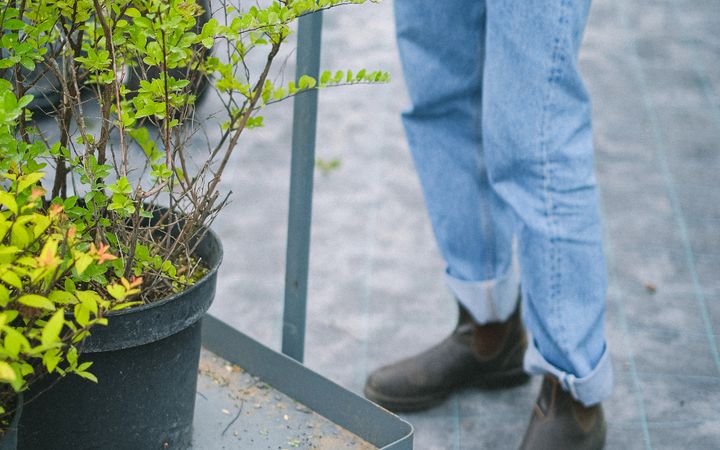
Gardening with Rhinitis: Planning, Timing, and Tool Tips
Practical ideas for timing, protective gear, plant choices, and cleanup to lower rhinitis triggers while gardening. Focuses on general strategies rather than medical advice.

Gardening with Rhinitis: Outdoor Plant Care and Triggers
Simple strategies for gardening with rhinitis: pick lower-irritant tasks, use basic protection, and clean up to reduce lingering pollen and soil dust.
Archive
Back to the article hub
Browse more RhinitisRank articles and long-tail education pages.
OpenPractical tools
Move into practical resources
Open tools like the trigger diary, checklists, and visit-prep resources.
OpenQuick assessment
Take the rhinitis quiz
Turn symptoms into a clearer starting point before your next appointment.
Open