
Gardening with Rhinitis: Practical Yard Work Strategies
Simple, practical steps to reduce rhinitis triggers while working in gardens and yards. Focuses on timing, protective actions, and cleanup to limit exposure.
In brief
Small changes in how and when you garden can reduce exposure to pollen, dust, and soil irritants. This article covers planning, protection, and aftercare ideas.
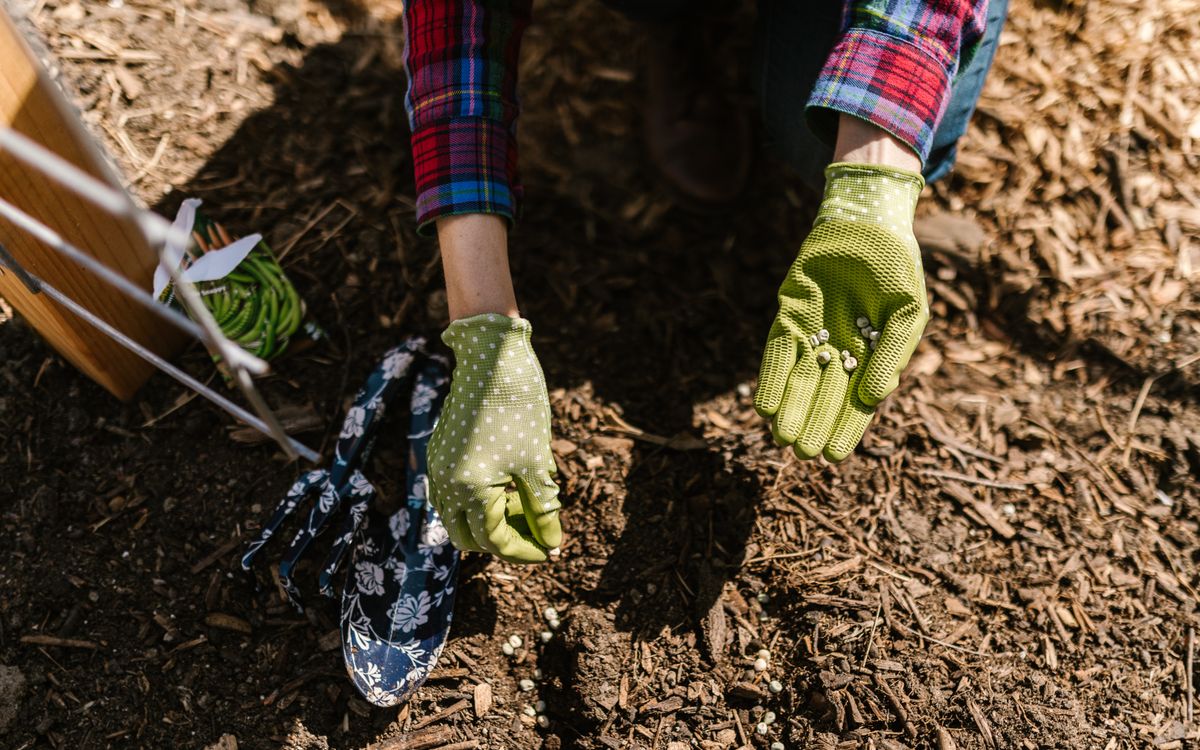
Photo by RDNE Stock project on Pexels
Gardening and yard work often bring contact with pollen, dust, soil, and decaying plant matter — all common irritants for people with rhinitis. This article outlines non-prescriptive strategies you can try to reduce exposure and make outdoor chores more comfortable.
Timing tasks can matter. Many people find lower airborne pollen at certain times of day; choosing cooler, less windy periods or working after a light rain can sometimes mean less airborne allergen. Using simple barriers such as gloves, eye protection, and a snug-fitting face covering when handling dusty soil, mulch, or compost can reduce direct contact with irritants.
Techniques that limit dust and disturbance help too: dampening dry soil or leaves before raking, using tools rather than bare hands, and handling compost or leaf piles gently can reduce particles becoming airborne. Avoid prolonged close-in work with flowering weeds or seed heads, and consider using long sleeves and pants to keep particles off skin and hair.
Aftercare routines are useful: changing out of outdoor clothes, washing them promptly, and showering can remove pollen and dust that cling to fabric and hair. Wiping hands and face after tasks and avoiding touching the eyes or nose until cleaned may also help limit symptom triggers.
When planning plants or yard features, some people consider low-pollen species or groundcovers and manage weed growth to reduce flowering weeds; these are personal choices and may not suit every space. If rhinitis symptoms are frequent or disruptive despite practical changes, consider keeping notes on what seems to trigger symptoms and discussing them with a healthcare provider for personalized guidance.
Daily articles
Subscribe for daily reads and jump into the latest article now.
Receive RhinitisRank articles by text message and email each day, then head straight to the article library whenever you want a deeper read.

Fresh reading
Educational reads for flare-ups, patterns, and next steps.
Related reading
More articles in this topic cluster
Continue with nearby rhinitis questions, symptom patterns, and follow-up reading.
Gardening with Rhinitis: Practical Yard and Plant Tips
Plan timing, adapt tasks, and pick protective options to limit exposure while gardening. Small changes can make outdoor projects more comfortable for people with rhinitis.

Yard Work and Rhinitis: Managing Outdoor Triggers and Tasks
Simple adjustments can help reduce rhinitis discomfort during yard work. This guide covers timing, gear, task choices, and cleanup ideas to lower trigger contact.

Gardening with Rhinitis: Planning and Practical Strategies
Simple planning, timing and protective measures may help lower exposure to common garden triggers. This article outlines practical approaches for less-irritating gardening.
Archive
Back to the article hub
Browse more RhinitisRank articles and long-tail education pages.
OpenPractical tools
Move into practical resources
Open tools like the trigger diary, checklists, and visit-prep resources.
OpenQuick assessment
Take the rhinitis quiz
Turn symptoms into a clearer starting point before your next appointment.
Open