

Sleeping Better With Rhinitis: Nighttime Routines and Tips
Many people with rhinitis notice symptoms that are worse at night. This article walks through gentle, practical ways to adjust evening habits and the sleep environment to support nighttime comfort.
In brief
Explore non-prescriptive nighttime habits and environmental tweaks that may reduce nasal discomfort and help you sleep more comfortably with rhinitis.
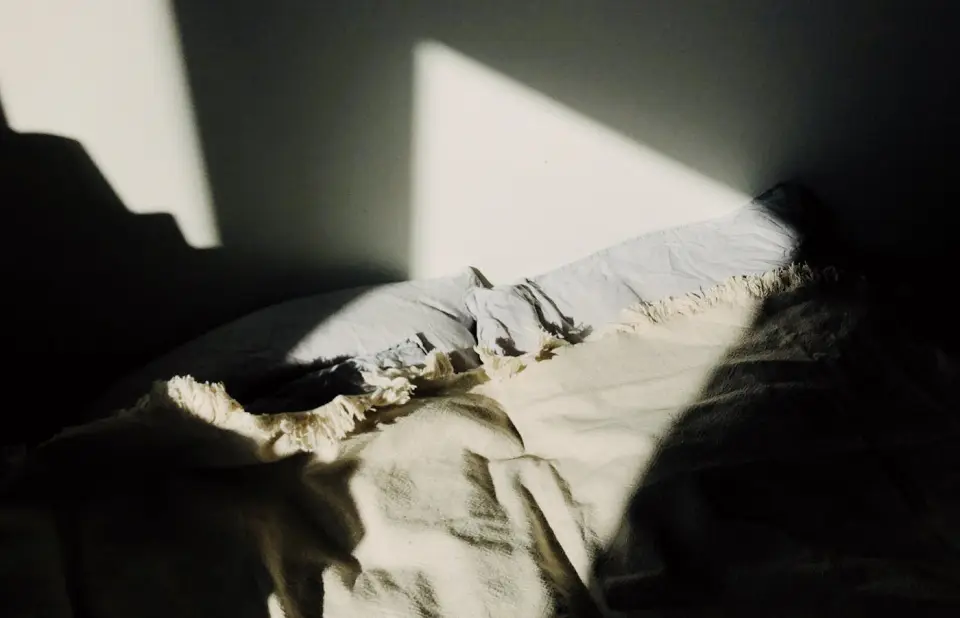
Photo by Los Muertos Crew on Pexels
Nighttime can highlight rhinitis symptoms for many people because body position, indoor air, and evening exposures differ from daytime. Understanding simple patterns—like when symptoms tend to start during the evening—can help you experiment with routines and environment without assuming a single cause.
Consider mellowing evening exposures that might trigger irritation. Lowering the use of scented products, avoiding strong cooking smells right before bed, and using fragrance-free laundry products for sleepwear can reduce potential nasal irritants in the hours before sleep.
The sleep environment matters in subtle ways. Many people find that adjusting room humidity, keeping air filters maintained, and minimizing visible dust or strong odors in the sleeping area can influence overnight comfort. If using a humidifier, regular cleaning and monitoring of humidity levels may be helpful so the device itself doesn’t become a source of particles.
Small adjustments to sleep position and bedding may also make a difference for some people. Elevating the head slightly or choosing breathable pillow covers and mattress protectors are simple steps to try; regularly launder items that touch your face with a mild, unscented detergent if nasal sensitivity is an issue.
There are gentle bedside routines others sometimes find useful, such as saline rinses, warm showers, or a short period of relaxation before lights-out to reduce congestion that can build with anxiety or poor timing. If nighttime symptoms regularly interrupt sleep or daily life, consider discussing patterns with a clinician or allergy specialist to explore options together in a non-urgent, informative way.
Daily articles
Subscribe for daily reads and jump into the latest article now.
Receive RhinitisRank articles by text message and email each day, then head straight to the article library whenever you want a deeper read.
Fresh reading
Educational reads for flare-ups, patterns, and next steps.
Related reading
More articles in this topic cluster
Continue with nearby rhinitis questions, symptom patterns, and follow-up reading.

Nighttime Rhinitis: Simple Bedtime Routines for Comfort
Explore gentle pre-sleep habits and environmental tweaks that may reduce nighttime nasal discomfort. Focus on air, routine, timing, and what to observe.
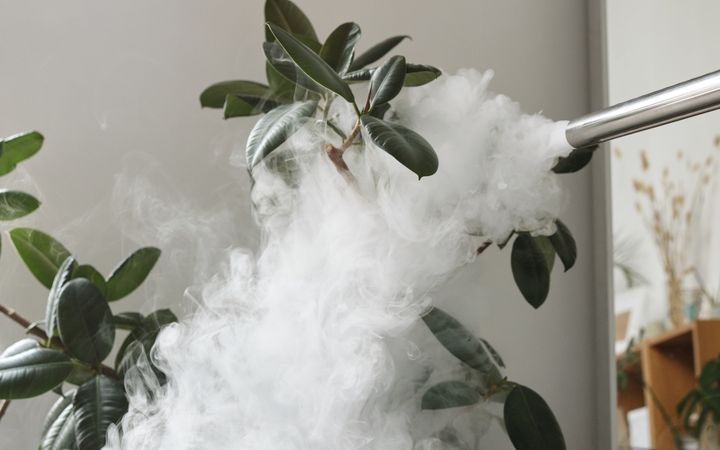
Nighttime Routines to Minimize Rhinitis Disruption
Explore gentle evening strategies that some people with rhinitis find helpful, from pre-bed rituals to simple environment adjustments aimed at reducing nighttime symptoms.

Nighttime Rhinitis: Routines for Better Sleep Comfort
Small changes to evening routines and sleep surroundings may ease nighttime rhinitis symptoms. Notes on tracking patterns and preparing questions for a clinician visit.
Archive
Back to the article hub
Browse more RhinitisRank articles and long-tail education pages.
OpenPractical tools
Move into practical resources
Open tools like the trigger diary, checklists, and visit-prep resources.
OpenQuick assessment
Take the rhinitis quiz
Turn symptoms into a clearer starting point before your next appointment.
Open