

Nighttime Rhinitis: Routines for Better Sleep Comfort
Simple evening habits and environment adjustments that can reduce rhinitis-related sleep disruption. Practical ideas to try and note for conversations with your provider.
In brief
Small changes to evening routines and sleep surroundings may ease nighttime rhinitis symptoms. Notes on tracking patterns and preparing questions for a clinician visit.
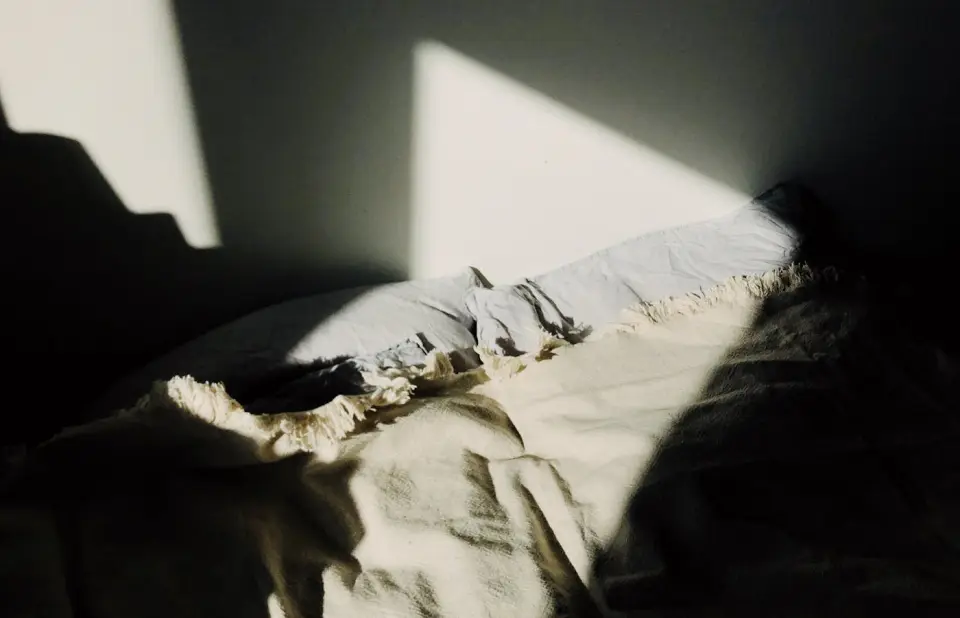
Photo by Hasan Albari on Pexels
Many people with rhinitis notice symptoms that are more bothersome at night, such as nasal congestion, sneezing, or a runny nose. These patterns can make falling asleep or staying asleep harder and may affect how you plan evenings and sleep routines. This article offers general, non-prescriptive ideas to consider for nighttime comfort.
A calm pre-bed routine can make a difference for some people. Gentle measures—like a warm shower, avoiding strong scents, or using a saline rinse—are commonly used to clear airways before bed; timing of any medication or treatment is a personal choice to discuss with a clinician. Keeping evening activities consistent helps the body settle into sleep, which some people find reduces symptom awareness.
The sleep environment matters for many with rhinitis. Moderate humidity, clean air, and minimizing airborne irritants such as strong fragrances or tobacco smoke may reduce triggers for some individuals. Choosing bedding materials that are easy to wash and maintaining good laundry practices can also reduce contact with dust or residues that might bother the nose.
Evening behaviors can influence nighttime symptoms. Limiting heavy meals, alcohol, or late intense exercise close to bedtime may help some people; similarly, a regular sleep schedule and winding-down activities like reading or gentle breathing can support relaxation. If you use breathing or relaxation techniques, brief practices before lying down may improve comfort for some users.
Tracking what you notice on different nights can help identify patterns to share with a clinician or allergist. Consider keeping a simple sleep-and-symptom log noting timing, environment, and any exposures that coincide with worse nights. If symptoms regularly interfere with rest or daytime function, a healthcare discussion can help clarify options and next steps based on your situation.
Daily articles
Subscribe for daily reads and jump into the latest article now.
Receive RhinitisRank articles by text message and email each day, then head straight to the article library whenever you want a deeper read.
Fresh reading
Educational reads for flare-ups, patterns, and next steps.
Related reading
More articles in this topic cluster
Continue with nearby rhinitis questions, symptom patterns, and follow-up reading.
Nighttime Rhinitis: Routines to Support Better Sleep
Practical, non-prescriptive tips for easing rhinitis-related nighttime discomfort. Focus on routines, room air care, and gentle nasal hygiene to support better rest.

Nighttime Rhinitis: Strategies for Better Sleep and Comfort
Nighttime rhinitis can make falling and staying asleep harder. This guide outlines gentle habits and room-focused adjustments people often consider for clearer breathing at night.

Nighttime Strategies for Rhinitis: Improving Sleep Comfort
Simple approaches for nighttime rhinitis: sleep positions, air and humidity habits, pre-bed routines, and how to prepare for a clinician visit.
Archive
Back to the article hub
Browse more RhinitisRank articles and long-tail education pages.
OpenPractical tools
Move into practical resources
Open tools like the trigger diary, checklists, and visit-prep resources.
OpenQuick assessment
Take the rhinitis quiz
Turn symptoms into a clearer starting point before your next appointment.
Open