

Nighttime Rhinitis: Simple Bedtime Routines for Comfort
Small, consistent bedtime habits can influence how rhinitis feels overnight. This guide outlines practical, non-prescriptive steps people often consider before sleep.
In brief
Explore gentle pre-sleep habits and environmental tweaks that may reduce nighttime nasal discomfort. Focus on air, routine, timing, and what to observe.
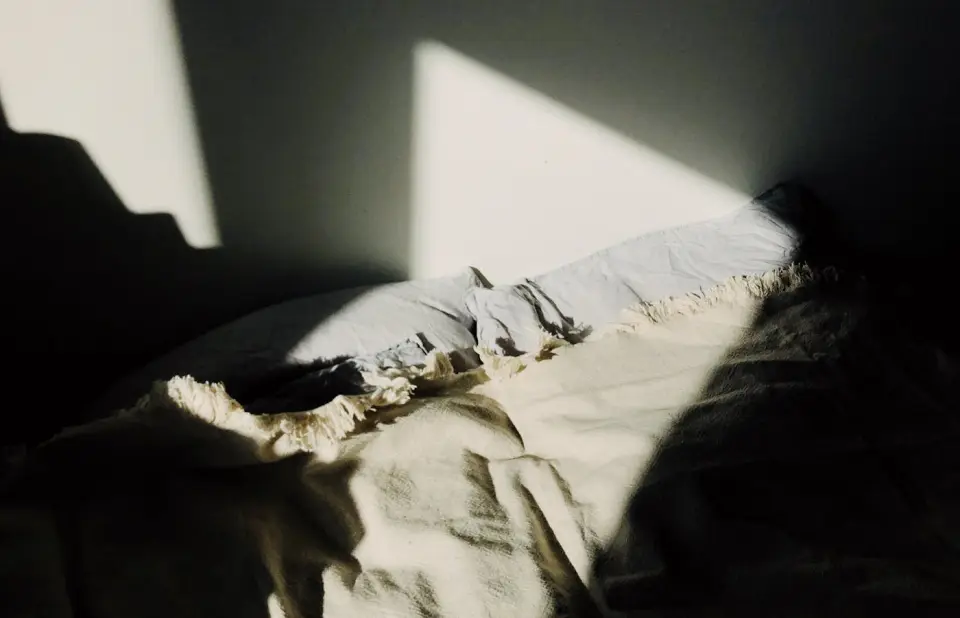
Photo by Kampus Production on Pexels
Many people with rhinitis notice differences in symptoms at night—congestion, sneezing, or nasal drip can affect rest for some. Understanding common night-related triggers and small evening adjustments can help you create a sleep routine that feels more comfortable.
Start with predictable pre-sleep habits. A consistent wind-down—such as a warm shower, gentle stretching, or calming activities—may reduce general irritation for some people. Avoid heavy fragrances or new personal-care products right before bed, since scents or sprays can be potential irritants.
Look at the sleep environment with simple changes. Keeping linens clean, limiting pets in the sleep area if they are a trigger, and minimizing dust build-up on pillows and mattress covers are practical steps to consider. Note that different fabrics and detergents can affect people differently.
Device and timing adjustments may also be helpful. Some people find a humidifier set to a comfortable level, an air purifier, saline rinses, or positional changes make night symptoms feel better. Try to time meals, alcohol, and vigorous exercise so they’re not immediately before bed, as those activities can influence nasal comfort for some individuals.
Track what seems to help or worsen symptoms by keeping a brief nightly note for a week or two—time of symptom onset, evening activities, and environmental factors. If symptoms consistently interfere with sleep or daily life, consider sharing your notes with a healthcare provider to discuss next steps and options in a clinical conversation.
Daily articles
Subscribe for daily reads and jump into the latest article now.
Receive RhinitisRank articles by text message and email each day, then head straight to the article library whenever you want a deeper read.
Fresh reading
Educational reads for flare-ups, patterns, and next steps.
Related reading
More articles in this topic cluster
Continue with nearby rhinitis questions, symptom patterns, and follow-up reading.

Nighttime Rhinitis: Routines for Better Sleep Comfort
Small changes to evening routines and sleep surroundings may ease nighttime rhinitis symptoms. Notes on tracking patterns and preparing questions for a clinician visit.

Nighttime Strategies for Rhinitis and Better Sleep
Small changes to evening habits and air care can ease nighttime rhinitis discomfort. Learn gentle routines and when to raise sleep concerns with a clinician.

Nighttime Rhinitis: Bedtime Habits to Reduce Discomfort
Evening habits and simple aids can affect how rhinitis feels at night. Learn about pre-bed routines, humidity options, and breathing supports that people commonly use.
Archive
Back to the article hub
Browse more RhinitisRank articles and long-tail education pages.
OpenPractical tools
Move into practical resources
Open tools like the trigger diary, checklists, and visit-prep resources.
OpenQuick assessment
Take the rhinitis quiz
Turn symptoms into a clearer starting point before your next appointment.
Open