

Rhinitis and Close-Contact Appointments: Salons, Dentists, Spas
Practical guidance for managing rhinitis in close-contact service settings like hair salons, dental clinics, and spas. Learn which common triggers to watch for and how to plan ahead.
In brief
Close-contact appointments can involve sprays, scents, and aerosols that affect rhinitis. This article offers practical, non-prescriptive ideas for preparation and communication.
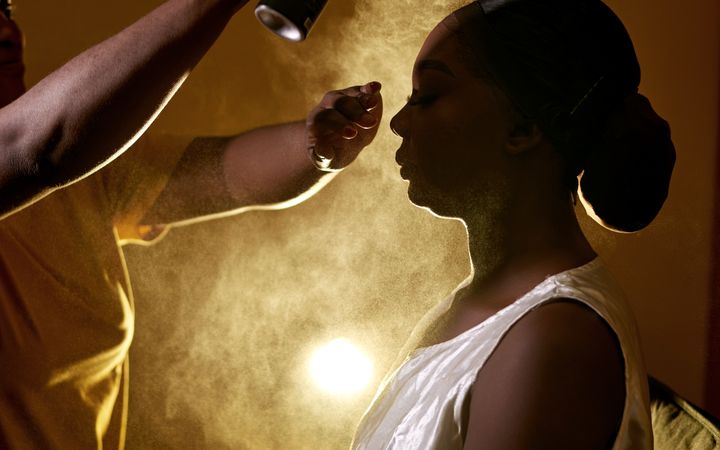
Photo by Engin Akyurt on Pexels
Close-contact appointments often bring together several common rhinitis triggers: perfumes and styling products, aerosolized sprays and vapors, dust or powder from treatments, and proximity to other people. For people with rhinitis, exposure in a small space can make symptoms more noticeable. These notes focus on awareness, preparation, and simple practical choices rather than medical steps.
Before you book, consider calling the clinic or salon to ask about fragrance policies, ventilation, and whether products like hairspray or scented lotions are used. Some providers may offer low-fragrance options or quieter times of day. Choosing a less busy slot or requesting a seat near an exit or fan are simple, non-medical steps that some people find helpful.
At the appointment, clear, polite communication about your sensitivity can help staff adapt procedures—many professionals are used to accommodating requests. If you notice symptoms starting, brief breaks, stepping into fresh air, or asking staff to pause a spray are reasonable options to consider. Wearing an over-the-counter face covering in public settings is another non-prescriptive choice some people use to reduce inhaled particles.
Dental and medical procedures can generate aerosols or involve close facial contact; if this is a concern, a short pre-appointment conversation about what will happen can reduce surprises. Ask how long certain steps will take or whether alternatives are available that limit sprays or powders. Expressing a preference for minimal fragrances or for staff to avoid strong-scented products is straightforward and usually respected.
After an appointment, some people find rinsing the nasal passages with saline, drinking water, or changing out of clothing that picked up scents helps them feel more comfortable; responses vary from person to person. Keeping a small kit with tissues, saline spray, or a clean mask can make quick relief options available without medical implication. Observing which settings and products most affect your symptoms can guide future choices.
Clear, calm communication and a bit of planning can reduce unwanted exposures in close-contact settings. If symptoms are frequent or particularly bothersome after appointments, noting timing and triggers to discuss with a clinician at a separate visit can be useful. The goal is to make appointments manageable while keeping the focus on the service being provided.
Daily articles
Subscribe for daily reads and jump into the latest article now.
Receive RhinitisRank articles by text message and email each day, then head straight to the article library whenever you want a deeper read.

Fresh reading
Educational reads for flare-ups, patterns, and next steps.
Related reading
More articles in this topic cluster
Continue with nearby rhinitis questions, symptom patterns, and follow-up reading.

Managing Rhinitis at Salons, Barbershops, and Spas
Salon and spa environments can contain common rhinitis triggers. Learn how to recognize irritants, prepare your visit, and communicate with staff to reduce exposure.
Visiting Hair Salons with Rhinitis: Practical Guidance
Salon visits often involve fragrances, sprays, and close contact that can affect rhinitis symptoms. Learn practical, non-prescriptive ideas for planning and communicating at the salon.

Fragrances and Personal Care: Managing Rhinitis Around Scents
Perfume, shampoo, and salon products are common scented sources that may affect rhinitis symptoms. Learn typical exposure points and practical, non-prescriptive options to reduce encounters.
Archive
Back to the article hub
Browse more RhinitisRank articles and long-tail education pages.
OpenPractical tools
Move into practical resources
Open tools like the trigger diary, checklists, and visit-prep resources.
OpenQuick assessment
Take the rhinitis quiz
Turn symptoms into a clearer starting point before your next appointment.
Open