
Fragrances and Personal Care: Managing Rhinitis Around Scents
Scented products can make nasal symptoms more noticeable for some people with rhinitis. This article explains where common personal-care scents appear and ways to limit contact in everyday settings.
In brief
Perfume, shampoo, and salon products are common scented sources that may affect rhinitis symptoms. Learn typical exposure points and practical, non-prescriptive options to reduce encounters.
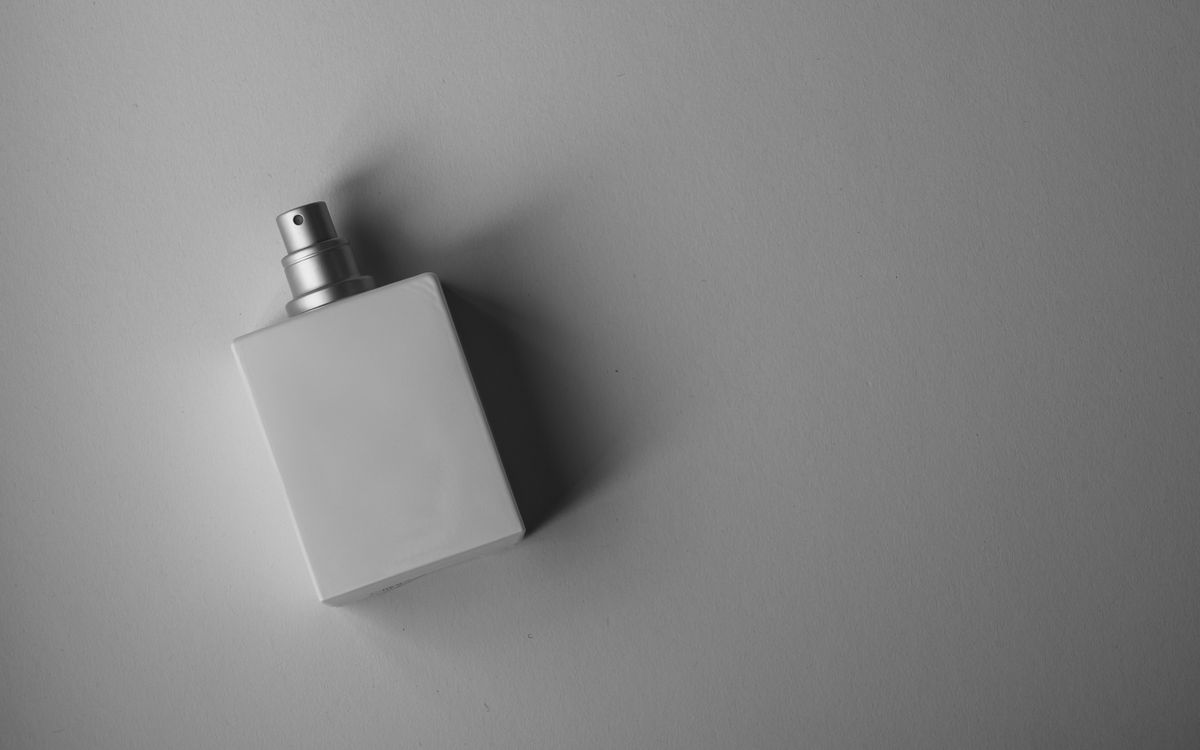
Photo by Castorly Stock on Pexels
Many people with rhinitis notice that strong or persistent scents make nasal symptoms more noticeable. Fragrances in personal-care products are common, everyday exposures that can appear in homes, workplaces, retail stores, and service settings.
Scent sources include perfumes and colognes, shampoos and conditioners at salons, scented lotions and cosmetics at counters, and fragranced laundry or cleaning products. Exposure can be direct (someone nearby wearing a perfume) or indirect (residues on clothing or in the air), and different people report different responses to similar scents.
Some practical options people use to limit encounters include choosing fragrance-free or low-fragrance products, asking about product use before appointments, and looking for quieter or less crowded times at salons or stores. Communicating scent preferences with colleagues or service providers is another approach some find useful in shared spaces.
At-home routines can also be adjusted in ways that reduce lingering scents: rinsing hair thoroughly after using scented products, keeping fragranced items stored separately, and trying fragrance-free alternatives for laundry or body care. These are general ideas individuals might explore to see what fits their comfort and lifestyle.
Keeping a simple record of when symptoms appear and potential scent exposures can help identify patterns over time. If you plan to discuss concerns with a healthcare professional or service provider, bringing notes about specific triggers and settings can make those conversations more focused and informative.
Daily articles
Subscribe for daily reads and jump into the latest article now.
Receive RhinitisRank articles by text message and email each day, then head straight to the article library whenever you want a deeper read.
Fresh reading
Educational reads for flare-ups, patterns, and next steps.
Related reading
More articles in this topic cluster
Continue with nearby rhinitis questions, symptom patterns, and follow-up reading.

Managing Scent Sensitivity with Rhinitis in Daily Life
If fragrances and scented products affect your nose, learn straightforward ways to spot triggers, make small changes, and communicate needs in public and at work.

Choosing Personal Care Products When You Have Rhinitis
Explore gentle approaches to spotting fragrances, preservatives, and sprays in skincare and hair products. Learn non-prescriptive ideas to make grooming routines more comfortable.
Scented Products and Rhinitis: Reducing Smell-Related Flare-Ups
Understand how everyday scented products may affect rhinitis and learn practical, non-medical steps to avoid or reduce exposure in public and private spaces.
Archive
Back to the article hub
Browse more RhinitisRank articles and long-tail education pages.
OpenPractical tools
Move into practical resources
Open tools like the trigger diary, checklists, and visit-prep resources.
OpenQuick assessment
Take the rhinitis quiz
Turn symptoms into a clearer starting point before your next appointment.
Open