

Managing Rhinitis at Salons, Barbershops, and Spas
Personal care appointments can expose you to fragrances, sprays, and other airborne irritants. This guide outlines common triggers and practical steps to plan and communicate preferences for a more comfortable visit.
In brief
Salon and spa environments can contain common rhinitis triggers. Learn how to recognize irritants, prepare your visit, and communicate with staff to reduce exposure.
Photo by Max Vakhtbovych on Pexels
Visits to salons, barbershops, and spas can be pleasant routines but also places where airborne irritants are common. Many services use sprays, heated tools, solvents, and scented products that may increase nasal symptoms for some people. Understanding which aspects of the visit are most likely to affect you can help with planning and communication.
Common triggers in these settings include hair sprays, bleach and dye fumes, nail polish solvents, aerosolized disinfectants, and strong fragrances from lotions or essential oils. Heat and steam from styling tools or spa treatments can also release volatile compounds that some people notice. Even routine cleaning products and fabric-covered capes can hold residues that act as irritants for sensitive noses.
Before your appointment, consider checking with the salon or spa about ventilation and product options. Asking whether fragrance-free or low-volatile options are available, and letting staff know about fragrance sensitivities, are straightforward ways to set expectations. Choosing off-peak times when the space is less crowded may reduce exposure to multiple sources at once.
During the visit, seating location and timing of services can matter for comfort. Some people prefer to sit away from direct spray or styling stations, or request minimal use of aerosols. If certain products are used, you could ask staff to apply them with doors or windows open if that is possible at the location.
After a visit, noting what seemed to trigger symptoms can help you recognize patterns over time. Keeping a brief log of services, products, and any nasal reactions may make it easier to discuss concerns with a stylist or with a healthcare professional if symptoms continue. Open communication with service providers about preferences and triggers often leads to simple adjustments that improve comfort without changing the overall experience.
Daily articles
Subscribe for daily reads and jump into the latest article now.
Receive RhinitisRank articles by text message and email each day, then head straight to the article library whenever you want a deeper read.
Fresh reading
Educational reads for flare-ups, patterns, and next steps.
Related reading
More articles in this topic cluster
Continue with nearby rhinitis questions, symptom patterns, and follow-up reading.

Living With Scent Sensitivity: Navigating Fragrances and Rhinitis
Learn practical, non-prescriptive ways to manage exposure to perfumes, air fresheners and personal care fragrances when you have rhinitis.
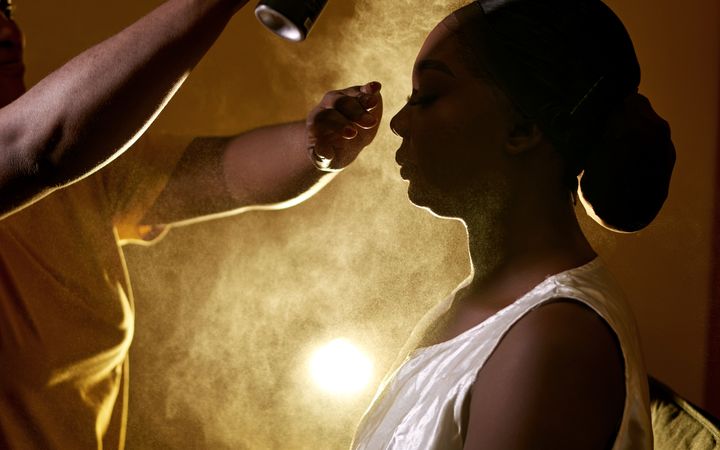
Visiting Hair Salons with Rhinitis: Practical Guidance
Salon visits often involve fragrances, sprays, and close contact that can affect rhinitis symptoms. Learn practical, non-prescriptive ideas for planning and communicating at the salon.

Navigating Fragrance Sensitivity When You Have Rhinitis
Fragrances can be an invisible trigger for rhinitis symptoms. Learn common sources, communication approaches, and environment-focused strategies to reduce encounters.
Archive
Back to the article hub
Browse more RhinitisRank articles and long-tail education pages.
OpenPractical tools
Move into practical resources
Open tools like the trigger diary, checklists, and visit-prep resources.
OpenQuick assessment
Take the rhinitis quiz
Turn symptoms into a clearer starting point before your next appointment.
Open