

Reducing Rhinitis Flare-Ups During Home Renovations and DIY
Renovation work can stir dust, fumes, and other triggers that affect rhinitis. This article outlines practical, non-medical steps to lower exposure and make projects more comfortable.
Photo by Tima Miroshnichenko on Pexels
Home renovation and DIY projects often produce dust, small particles, paint fumes, and strong odors that can act as triggers for people with rhinitis. Reactions vary from person to person, so recognizing which tasks raise symptoms can help you plan work differently.
Planning and containment are simple ways to limit exposure. Some people find it helpful to close and seal off the work area with plastic sheeting, run exhaust fans that vent outdoors, and schedule high-dust tasks at times when fewer people are home.
Basic personal protection and air management can reduce what you breathe in. Wearing a well-fitted dust mask for sweeping or sanding, using local exhaust or a fan to move air outside, and running a portable air cleaner with a HEPA-style filter near the work zone are common approaches that people try.
Material and technique choices can matter for indoor air quality. Options like water-based paints, pre-finished components, wet sanding instead of dry sanding, and minimizing demolition may produce fewer airborne irritants for some individuals.
Thorough cleanup after work helps remove lingering particles and residues. Damp-wiping surfaces, using a vacuum with a fine-particle or HEPA-style filter, laundering work clothes separately, and ventilating the area after tasks are finished are practical steps many homeowners use to reduce ongoing exposure and discomfort.
Daily articles
Subscribe for daily reads and jump into the latest article now.
Receive RhinitisRank articles by text message and email each day, then head straight to the article library whenever you want a deeper read.

Fresh reading
Educational reads for flare-ups, patterns, and next steps.
Related reading
More articles in this topic cluster
Continue with nearby rhinitis questions, symptom patterns, and follow-up reading.
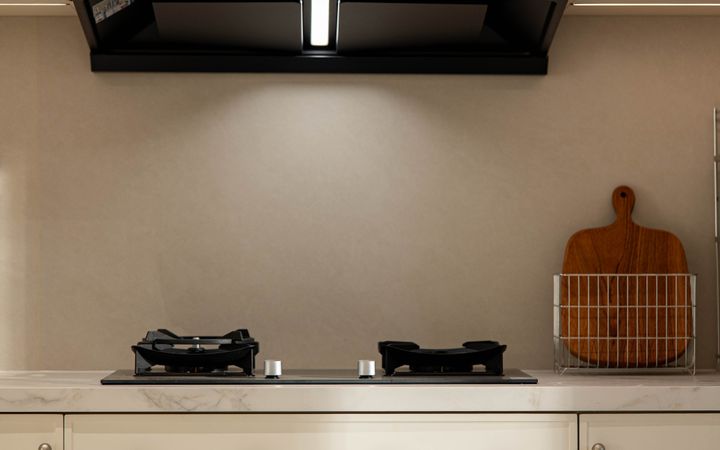
Cooking and Dining with Rhinitis: Kitchen and Meal Tips
Learn approachable kitchen and dining strategies to limit smoke, strong odors, and steam that some people with rhinitis find irritating. Small habits can make meal prep easier.

Cooking and Meal Prep with Rhinitis: Kitchen-Friendly Strategies
Simple adjustments in the kitchen — ventilation, timing, ingredient choices, and cleaning — can lessen common rhinitis triggers during food preparation and cooking.

Cooking Comfortably with Rhinitis: Practical Kitchen Strategies
Simple kitchen habits can lower exposure to steam, smoke and strong aromas that often bother people with rhinitis. Try ventilation, milder ingredients and planning for easier cooking.
Archive
Back to the article hub
Browse more RhinitisRank articles and long-tail education pages.
OpenPractical tools
Move into practical resources
Open tools like the trigger diary, checklists, and visit-prep resources.
OpenQuick assessment
Take the rhinitis quiz
Turn symptoms into a clearer starting point before your next appointment.
Open