

Cooking and Kitchen Strategies for Living with Rhinitis
Cooking can bring smells, steam and strong spices that affect nasal comfort for some people. Practical kitchen choices can help reduce exposure to common triggers and keep mealtimes more comfortable.
In brief
Small changes in ventilation, prep and timing can make cooking easier for people with rhinitis. These practical tips focus on reducing common kitchen triggers without changing your recipes.
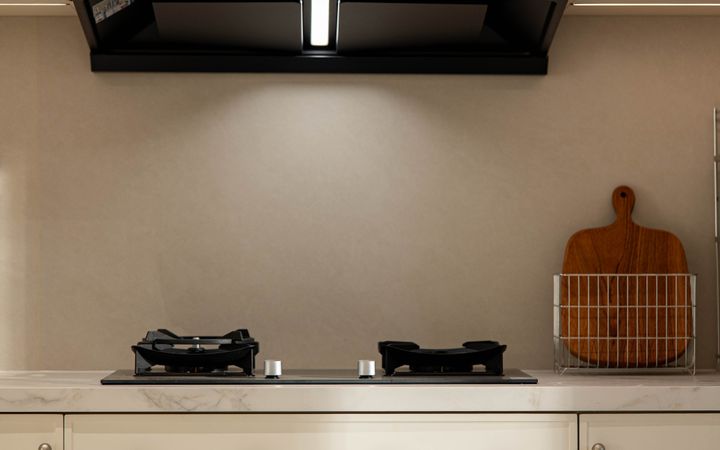
Photo by Jesus Cabrera on Pexels
Cooking often produces odors, steam and airborne compounds from ingredients that some people with rhinitis find irritating. These reactions are individual: what affects one person may be fine for another. Understanding common kitchen sources of irritants can help you choose practical ways to reduce exposure.
Start with ventilation and airflow. Using an exhaust hood, a portable fan, or opening a nearby window can help move steam and cooking odors away from your breathing zone. Cooking on lower heat, keeping lids on pans, and using appliances that confine steam (like slow cookers or covered roasters) also tends to limit airborne vapors.
Ingredient handling matters for some people. Strong-smelling foods such as onions, garlic, chilies, or potent spices release volatile compounds when cut or heated; some people find chilling ingredients before cutting or using a food processor reduces vapors. Pre-cut or prepared ingredients can also shorten active cooking time and reduce exposure to irritant fumes.
Timing and workflow can make a difference. If you notice more symptoms at certain times, schedule more intensive cooking when you expect to feel better, or spread tasks across a longer period. Batch cooking on a day when ventilation is easier and reheating with a covered dish can reduce repeated exposure.
Keep routine cleaning habits to limit lingering smells and residues: wipe burners and counters after use, store strong-smelling foods in sealed containers, and take out trash promptly. Having tissues, water, or any personal comfort items you normally use close by may help you manage brief flare-ups while cooking.
If particular foods or cooking methods consistently cause noticeable nasal reactions, tracking when and how symptoms occur can help you identify patterns. Some people find discussing these patterns with a clinician or allergy specialist useful when planning further steps; if you choose to do so, bring notes about specific triggers and situations that affect you.
Daily articles
Subscribe for daily reads and jump into the latest article now.
Receive RhinitisRank articles by text message and email each day, then head straight to the article library whenever you want a deeper read.

Fresh reading
Educational reads for flare-ups, patterns, and next steps.
Related reading
More articles in this topic cluster
Continue with nearby rhinitis questions, symptom patterns, and follow-up reading.
Cooking and Dining with Rhinitis: Kitchen and Meal Tips
Learn approachable kitchen and dining strategies to limit smoke, strong odors, and steam that some people with rhinitis find irritating. Small habits can make meal prep easier.

Cooking Comfortably with Rhinitis: Practical Kitchen Strategies
Simple kitchen habits can lower exposure to steam, smoke and strong aromas that often bother people with rhinitis. Try ventilation, milder ingredients and planning for easier cooking.

Cooking with Rhinitis: Reduce Kitchen Triggers and Discomfort
Small changes in ventilation, ingredient handling, and timing can help lower kitchen-related rhinitis triggers. These tips focus on practical adjustments rather than medical guidance.
Archive
Back to the article hub
Browse more RhinitisRank articles and long-tail education pages.
OpenPractical tools
Move into practical resources
Open tools like the trigger diary, checklists, and visit-prep resources.
OpenQuick assessment
Take the rhinitis quiz
Turn symptoms into a clearer starting point before your next appointment.
Open