

Cooking with Rhinitis: Reduce Kitchen Triggers and Discomfort
Kitchen smells, steam, spices and cleaning products can affect nasal comfort. Learn practical, general approaches to make meal prep easier when you have rhinitis.
In brief
Small changes in ventilation, ingredient handling, and timing can help lower kitchen-related rhinitis triggers. These tips focus on practical adjustments rather than medical guidance.
Photo by Max Vakhtbovych on Pexels
Cooking often involves strong odors, steam, spices and cleaning products that some people with rhinitis notice. These sensory factors can make meal prep less comfortable for some individuals, so thinking through the cooking environment and routine may be helpful.
Start by looking at ventilation and airflow. Using an exhaust fan or a range hood, running a bathroom fan, or briefly increasing air movement while cooking can help disperse steam and cooking smells. Covering pots and lowering heat when possible can also reduce steam and smoke.
Ingredient choices and how you handle them matter for day-to-day comfort. Working with pre-chopped or sealed ingredients, reducing heavy use of strong spices or frying oils, and opening bags of flour or dry goods carefully can limit airborne particles. Taste and aroma preferences vary, so some people find milder seasonings or different cooking methods more comfortable.
Cleaning and storage practices influence lingering odors and residues. Wiping up spills, rinsing dishes promptly, and storing strong spices or aromatic ingredients in sealed containers can reduce persistent smells. When using cleaning products, choosing milder formulations or ventilating while cleaning may be worth considering.
Planning and simple household adjustments can make cooking more manageable. Preparing meals at times when symptoms tend to be milder, sharing tasks with household members, and keeping tissues or a glass of water nearby are practical steps. Keeping a short note of recipes or ingredients that seem to cause more nasal irritation can help identify patterns over time.
Daily articles
Subscribe for daily reads and jump into the latest article now.
Receive RhinitisRank articles by text message and email each day, then head straight to the article library whenever you want a deeper read.

Fresh reading
Educational reads for flare-ups, patterns, and next steps.
Related reading
More articles in this topic cluster
Continue with nearby rhinitis questions, symptom patterns, and follow-up reading.
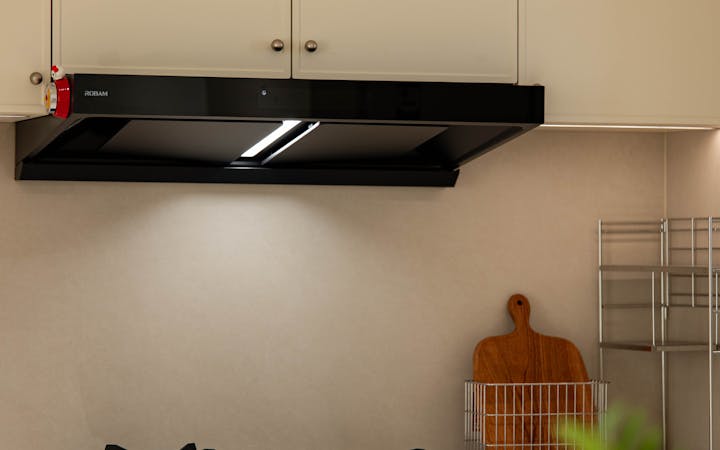
Cooking and Kitchen Strategies for Rhinitis-Friendly Meals
From ventilation and cooking methods to ingredient choices and cleanup, these tips aim to lower common kitchen triggers during meal planning and preparation.

Managing Rhinitis While Cooking: Simple Kitchen Strategies
Learn everyday approaches to limit kitchen triggers, adjust prep habits, and coordinate meals to reduce nasal irritation while cooking.
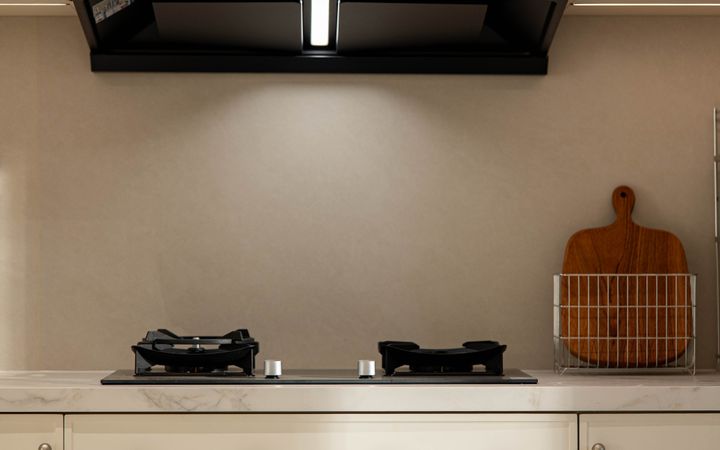
Cooking and Dining with Rhinitis: Kitchen and Meal Tips
Learn approachable kitchen and dining strategies to limit smoke, strong odors, and steam that some people with rhinitis find irritating. Small habits can make meal prep easier.
Archive
Back to the article hub
Browse more RhinitisRank articles and long-tail education pages.
OpenPractical tools
Move into practical resources
Open tools like the trigger diary, checklists, and visit-prep resources.
OpenQuick assessment
Take the rhinitis quiz
Turn symptoms into a clearer starting point before your next appointment.
Open