
Recognizing Medication and Hormone-Linked Rhinitis Triggers
Many people notice shifts in rhinitis symptoms when they start a new medication or go through hormonal changes. This article explains common patterns to watch for and practical steps for tracking and talking with your care team.
In brief
Rhinitis symptoms can shift with certain medicines or hormonal phases. Learn how to spot patterns, track changes, and bring clear information to your clinician.
Photo by cottonbro studio on Pexels
Rhinitis can be influenced by many factors beyond allergens, including medications and hormones. For some people, symptom timing or severity seems to change when a new drug is started or during hormonal shifts such as pregnancy or the menstrual cycle. Observing patterns can help you and your clinician understand whether these factors are relevant for you.
A range of medication types and hormonal situations are commonly mentioned in patient descriptions. Examples people report include changes after starting or switching certain blood pressure medicines, using aspirin or other pain relievers, beginning hormonal therapies or birth control, and changes during pregnancy or thyroid shifts. These are general categories rather than a definitive list, and individual experiences vary.
Noticing a link often starts with timing and consistency. A simple log noting when symptoms begin or worsen, what new medicines were started, and where you were (work, outdoors, after exercise) can make patterns clearer. Keeping entries brief—date, medication or cycle note, and symptom level—can be enough to spot a repeatable connection.
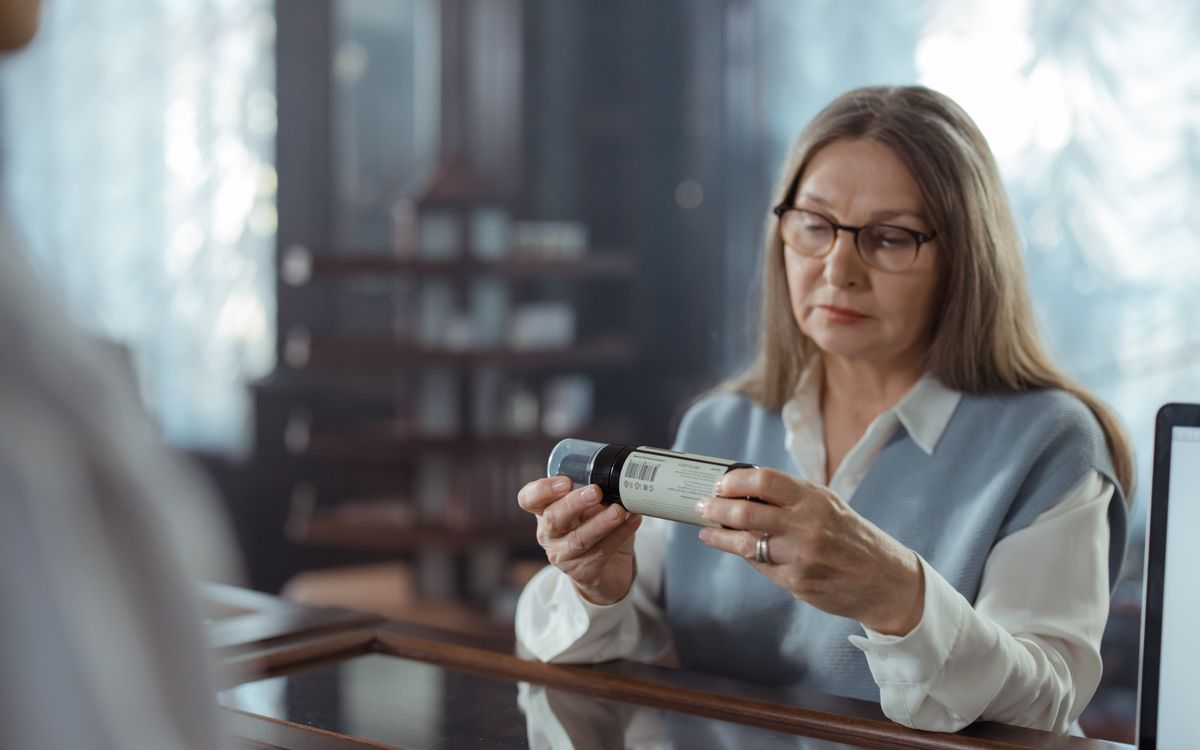
If you suspect a medication or hormonal change is related to symptoms, consider sharing your notes with the clinician or pharmacist who manages your medicines. They can review your full medication list and discuss possible side effects or alternative options. It’s important not to stop or change prescribed medicines without professional guidance.
Alongside medication conversations, practical non-prescriptive steps may help with symptom control for some people, such as managing known environmental triggers, staying hydrated, or using saline rinses if those suit you. If you ever have sudden breathing difficulty, severe swelling, or other urgent problems, seek immediate medical attention. Otherwise, a careful record and an open conversation with your care team are good first steps toward clarity.
Daily articles
Subscribe for daily reads and jump into the latest article now.
Receive RhinitisRank articles by text message and email each day, then head straight to the article library whenever you want a deeper read.

Fresh reading
Educational reads for flare-ups, patterns, and next steps.
Related reading
More articles in this topic cluster
Continue with nearby rhinitis questions, symptom patterns, and follow-up reading.

Managing Rhinitis During Home Renovation and DIY Projects
A practical guide for people with rhinitis planning renovations or DIY work. Learn how to reduce dust and fume exposure, coordinate with contractors, and stage living spaces.

Choosing and Using Masks for Rhinitis Comfort
Masks influence exposure to airborne triggers and nasal sensations. This guide outlines material, fit, and practical considerations for choosing face coverings with rhinitis in mind.

Improving Indoor Air to Reduce Rhinitis Triggers
Adjusting airflow, filters, humidity and cleaning routines can reduce common indoor triggers. Read simple, general strategies people with rhinitis often use to improve indoor comfort.
Archive
Back to the article hub
Browse more RhinitisRank articles and long-tail education pages.
OpenPractical tools
Move into practical resources
Open tools like the trigger diary, checklists, and visit-prep resources.
OpenQuick assessment
Take the rhinitis quiz
Turn symptoms into a clearer starting point before your next appointment.
Open