
Improving Indoor Air to Reduce Rhinitis Triggers
Small changes to ventilation, filtration and cleaning can lower indoor irritants that affect rhinitis. This article outlines practical, non-medical steps to consider for homes and workplaces.
In brief
Adjusting airflow, filters, humidity and cleaning routines can reduce common indoor triggers. Read simple, general strategies people with rhinitis often use to improve indoor comfort.
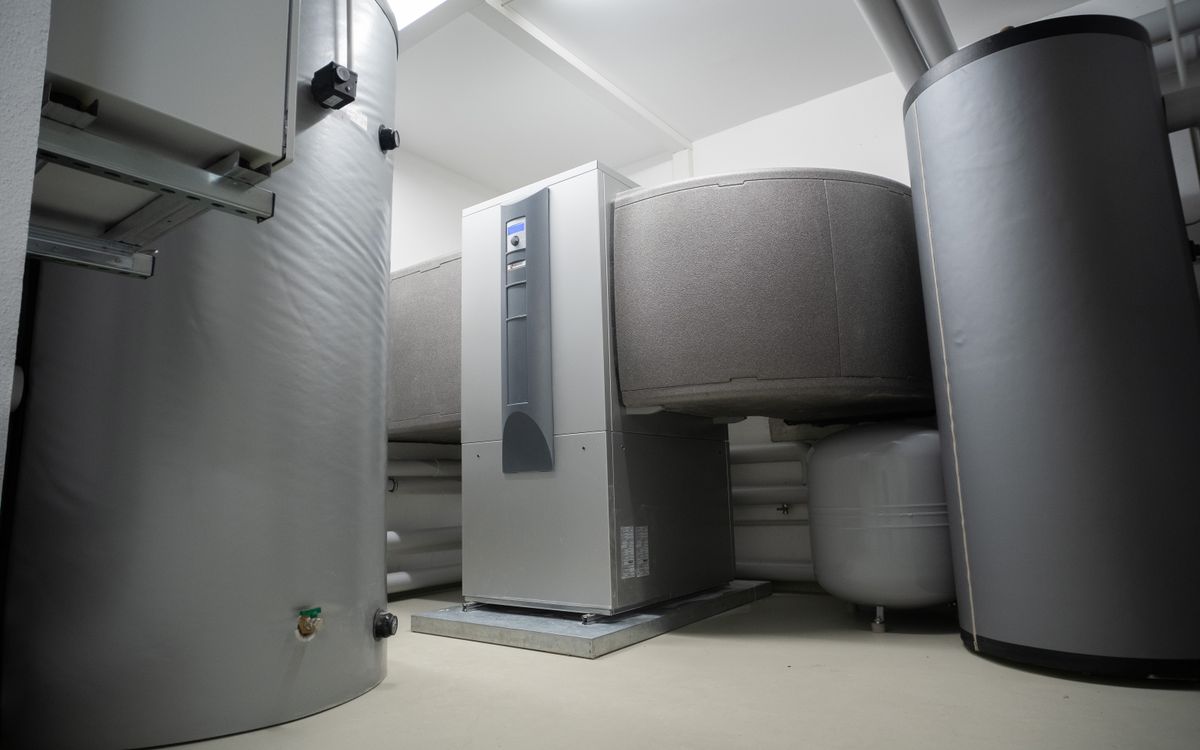
Photo by alpha innotec on Pexels
Indoor air can contain a mix of particles and odors that some people with rhinitis find irritating. Common sources include dust, cooking smoke, combustion particles, pollen that enters from outside, and volatile chemicals from cleaning products or paints. Understanding where irritants come from is a first step to reducing exposure.
Ventilation affects how much outdoor air and indoor pollutants are circulating. Opening windows, using kitchen and bathroom exhaust fans, or running mechanical ventilation systems can change airflow. Timing and outdoor air quality matter—bringing in outdoor air during low-pollen or low-smoke periods may be preferable for some people.
Filtration captures particles that float in indoor air. Central HVAC filters, portable purifiers with high-efficiency filters, and regular filter replacement or cleaning all play a role. Placement matters too: small, local purifiers can be useful in frequently used rooms, and manufacturers’ instructions provide guidance on capacity and maintenance.
Moisture control and cleaning reduce sources of irritants that build up over time. Keeping damp areas dry, addressing visible mold or persistent dampness, and using cleaning methods that limit airborne dust (for example, damp dusting and vacuuming with appropriate filters) are common strategies. Fragrance-free and low-VOC products can lower chemical odors that some people notice.
In shared settings like offices, it can help to communicate with building managers or coworkers about ventilation schedules, cleaning products, and filter maintenance. Small, practical steps—like adjusting a purifier’s placement or choosing less-scented products—are often worth trying to see what makes indoor air more comfortable. If you need more specific guidance for your situation, a building manager or occupational health resource may offer additional options.
Daily articles
Subscribe for daily reads and jump into the latest article now.
Receive RhinitisRank articles by text message and email each day, then head straight to the article library whenever you want a deeper read.

Fresh reading
Educational reads for flare-ups, patterns, and next steps.
Related reading
More articles in this topic cluster
Continue with nearby rhinitis questions, symptom patterns, and follow-up reading.

Indoor Air and Rhinitis: Managing Home Air Quality
A practical look at ventilation, filtration, humidity, and cleaning choices that may influence rhinitis comfort at home and work.

Humidifiers, Purifiers, and Ventilation: Indoor Air Tips for Rhinitis
Practical, non-prescriptive pointers on using humidifiers, purifiers, and ventilation to manage indoor triggers. Focus on placement, cleanliness, and sensible use.
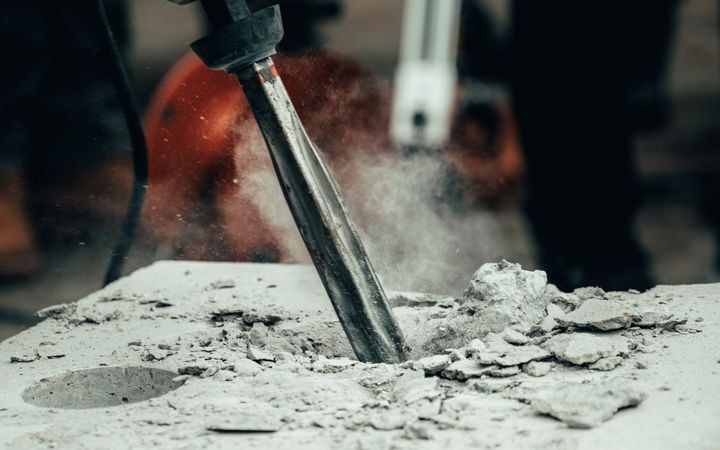
Managing Rhinitis During Home Renovation and DIY Projects
A practical guide for people with rhinitis planning renovations or DIY work. Learn how to reduce dust and fume exposure, coordinate with contractors, and stage living spaces.
Archive
Back to the article hub
Browse more RhinitisRank articles and long-tail education pages.
OpenPractical tools
Move into practical resources
Open tools like the trigger diary, checklists, and visit-prep resources.
OpenQuick assessment
Take the rhinitis quiz
Turn symptoms into a clearer starting point before your next appointment.
Open