

Nighttime Rhinitis: Routines to Support Better Sleep
Simple bedside habits and room adjustments can help make nights with rhinitis more comfortable. This guide outlines gentle, practical ideas to consider as you plan your evening routine.
In brief
Practical, non-prescriptive tips for easing rhinitis-related nighttime discomfort. Focus on routines, room air care, and gentle nasal hygiene to support better rest.
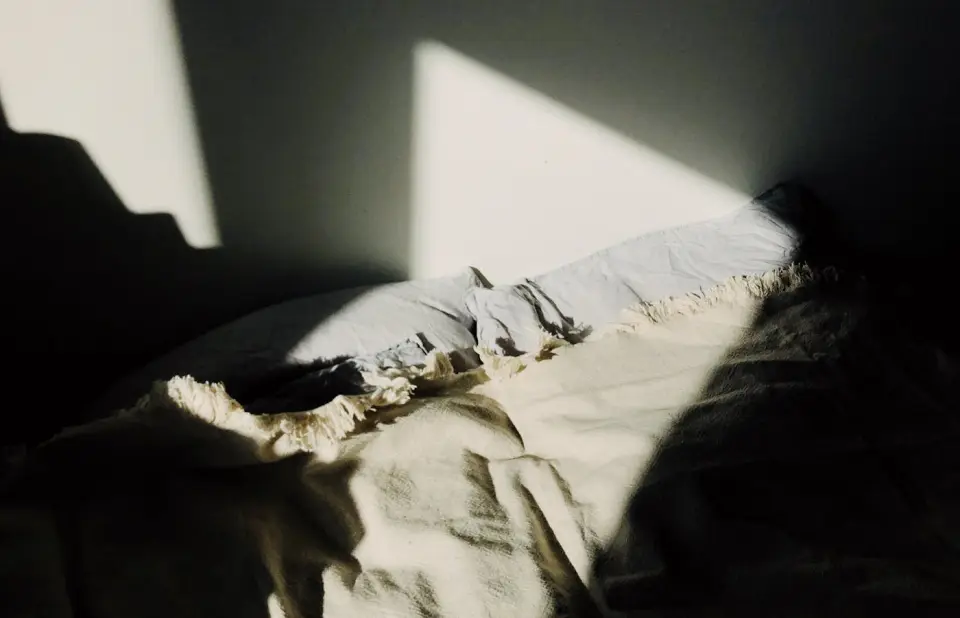
Photo by Liza Summer on Pexels
Many people with rhinitis notice that symptoms feel more intrusive at night. Congestion, sneezing, or a runny nose can make falling or staying asleep harder; the goal of an evening routine is to improve comfort and reduce interruptions to rest.
A predictable pre-bed routine may help reduce symptom flare-ups for some people. Options include a warm shower, changing into clean sleep clothes, or using a gentle saline rinse to clear nasal passages; these are personal strategies rather than medical instructions.
Bedroom air quality and textiles are common contributors to nighttime symptoms. Running a HEPA filter or addressing room humidity, washing pillowcases and sheets regularly, and removing obvious irritants from the immediate sleeping area are examples of environmental measures people often try.
Timing matters: when symptoms tend to worsen, adjusting the timing of daily tasks or therapies under the guidance of a healthcare professional may change how symptoms present at night. It can be helpful to note evenings when symptoms are better or worse and share that pattern with a clinician during visits.
Sleep-friendly habits—such as limiting heavy meals, reducing evening alcohol or smoke exposure, and keeping a regular bedtime—can influence overall sleep quality and symptom perception. If nasal congestion interferes with sleep often, consider discussing persistent sleep disruption with a provider to explore options together.
Daily articles
Subscribe for daily reads and jump into the latest article now.
Receive RhinitisRank articles by text message and email each day, then head straight to the article library whenever you want a deeper read.
Fresh reading
Educational reads for flare-ups, patterns, and next steps.
Related reading
More articles in this topic cluster
Continue with nearby rhinitis questions, symptom patterns, and follow-up reading.

Nighttime Rhinitis: Routines for Better Sleep Comfort
Small changes to evening routines and sleep surroundings may ease nighttime rhinitis symptoms. Notes on tracking patterns and preparing questions for a clinician visit.

Nighttime Strategies to Reduce Rhinitis Disruption
Explore gentle, practical steps that may improve nighttime comfort with rhinitis, from air and bedding choices to bedtime routines and simple nasal care.
Nighttime Habits to Ease Rhinitis Symptoms While Sleeping
Explore gentle evening steps that may lower rhinitis symptoms at night, from pre-sleep routines to air care and sleep posture ideas.
Archive
Back to the article hub
Browse more RhinitisRank articles and long-tail education pages.
OpenPractical tools
Move into practical resources
Open tools like the trigger diary, checklists, and visit-prep resources.
OpenQuick assessment
Take the rhinitis quiz
Turn symptoms into a clearer starting point before your next appointment.
Open