

Nighttime Routines for Managing Rhinitis Symptoms
Simple evening habits can influence how rhinitis feels at night. This article describes general, non-prescriptive approaches people use to reduce nighttime discomfort and support sleep.
In brief
Explore practical nighttime habits for people with rhinitis, from evening routines to tracking symptoms for clearer conversations with your clinician.
Photo by Pavel Danilyuk on Pexels
Many people with rhinitis notice symptoms at night that can affect comfort and sleep. This article outlines general strategies people often try to make evenings and bedtime more comfortable, while avoiding medical advice or specific treatments.
Consider the sleep environment and common airborne irritants. Some people adjust room humidity, use an air purifier, or reduce strong scents near the sleeping area; others focus on ventilation and minimizing dust or pet dander before bed. Individual responses vary, so these are examples rather than recommendations.
Evening routines can influence how symptoms feel at night for some individuals. Gentle nasal saline rinses, a warm shower, or washing the face to remove particles may help some people feel more comfortable; limiting exposure to known triggers in the hour before bed is another common approach. Calming activities that support sleep hygiene, like reading or light stretching, are often part of a bedtime plan.
Small changes to sleeping position and bedding may be useful as part of a broader nighttime routine. Some people favor a slightly elevated head position or breathable, low-irritant fabrics to reduce contact with potential irritants; regular laundering and allergen-proof covers are also common considerations. Preferences and comfort differ, so choices that work for one person may not suit another.
Tracking symptoms and patterns can make it easier to understand nighttime issues. Keeping a brief sleep-and-symptom log—note timing, activities before bed, and any environmental factors—can help identify triggers to discuss. If nighttime symptoms are persistent or troubling, bringing observations to a healthcare professional can support a focused conversation about next steps.
Daily articles
Subscribe for daily reads and jump into the latest article now.
Receive RhinitisRank articles by text message and email each day, then head straight to the article library whenever you want a deeper read.

Fresh reading
Educational reads for flare-ups, patterns, and next steps.
Related reading
More articles in this topic cluster
Continue with nearby rhinitis questions, symptom patterns, and follow-up reading.
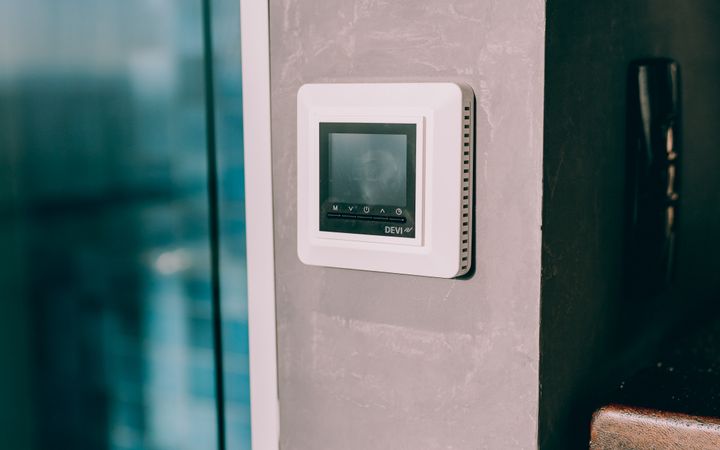
Nighttime Habits to Ease Rhinitis Symptoms While Sleeping
Explore gentle evening steps that may lower rhinitis symptoms at night, from pre-sleep routines to air care and sleep posture ideas.
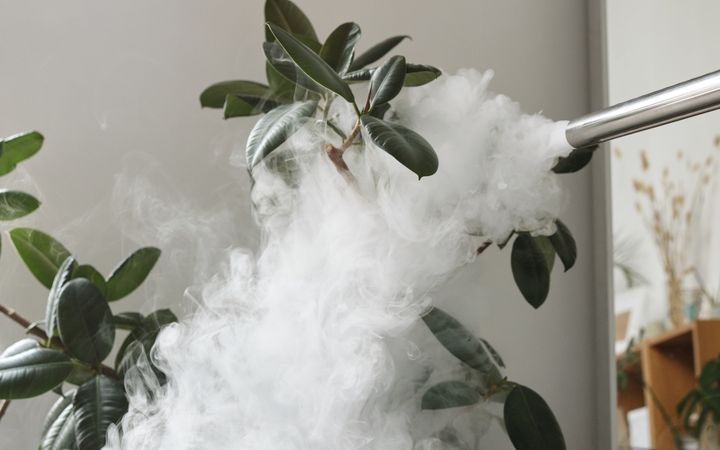
Nighttime Routines to Minimize Rhinitis Disruption
Explore gentle evening strategies that some people with rhinitis find helpful, from pre-bed rituals to simple environment adjustments aimed at reducing nighttime symptoms.

Nighttime Strategies to Reduce Rhinitis Disruption
Explore gentle, practical steps that may improve nighttime comfort with rhinitis, from air and bedding choices to bedtime routines and simple nasal care.
Archive
Back to the article hub
Browse more RhinitisRank articles and long-tail education pages.
OpenPractical tools
Move into practical resources
Open tools like the trigger diary, checklists, and visit-prep resources.
OpenQuick assessment
Take the rhinitis quiz
Turn symptoms into a clearer starting point before your next appointment.
Open