

Moving House with Rhinitis: Packing, Cleaning, and Settling In
Moving can increase exposure to dust, mold spores, and other irritants. This guide offers practical, general steps to reduce airborne and surface triggers during a move.
In brief
Simple, general strategies for packing, transporting, and settling into a new home with fewer irritants. Focus on cleaning choices, packing habits, and airflow.
Photo by SHVETS production on Pexels
Moving often disturbs dust, hidden debris, and other environmental irritants that can make rhinitis symptoms more noticeable. Planning ahead can reduce how much airborne and surface material you and your household encounter during packing, transport, and unpacking.
Before you pack, consider sorting and decluttering to limit how many dusty items are moved. Washing linens and soft textiles, wiping down hard surfaces, and bagging or sealing items that tend to collect dust may help reduce the amount of material stirred up when boxes are handled.
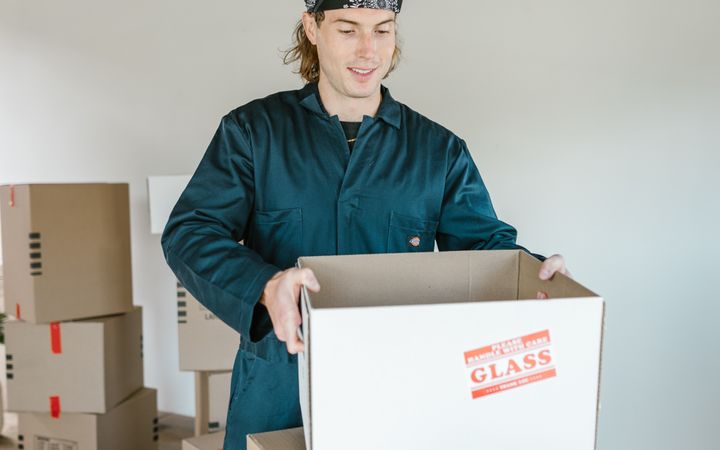
When packing and loading, choices about materials and handling can affect exposure. Using sealed boxes, labeling items by room and dust sensitivity, and minimizing rummaging through packed boxes during transit are practical steps people often find helpful. Wearing a simple face covering during heavy cleaning or box handling is another commonly used approach to lower inhaled dust.
At the new place, airing out well-ventilated spaces and running a filtration device or opening windows (when outdoor conditions allow) can help move settled dust out of living areas. Unpacking in stages—starting with essentials and cleaning as you open boxes—can make settling in more manageable and reduce sudden exposure to accumulated dust in packed items.
Moving is also a logistical task: communicating any sensitivities to helpers or movers, labeling boxes that should be opened first, and keeping a small “first-day” kit of clean linens and basic supplies can simplify the transition. If a space feels dusty or moldy after moving, scheduling targeted cleaning before full unpacking is a common preference to create a more comfortable start in the new home.
Daily articles
Subscribe for daily reads and jump into the latest article now.
Receive RhinitisRank articles by text message and email each day, then head straight to the article library whenever you want a deeper read.

Fresh reading
Educational reads for flare-ups, patterns, and next steps.
Related reading
More articles in this topic cluster
Continue with nearby rhinitis questions, symptom patterns, and follow-up reading.

Moving Houses with Rhinitis: Tips for Less Irritation
Practical steps to lower dust and irritant exposure when packing, loading, and settling into a new home. Simple habits and timing choices can ease the move.
How to Plan a Rhinitis-Friendly Move and Relocation
Thoughtful packing, timing, and early cleaning can reduce common triggers during a move. Small preparations help make relocation smoother for people with rhinitis.
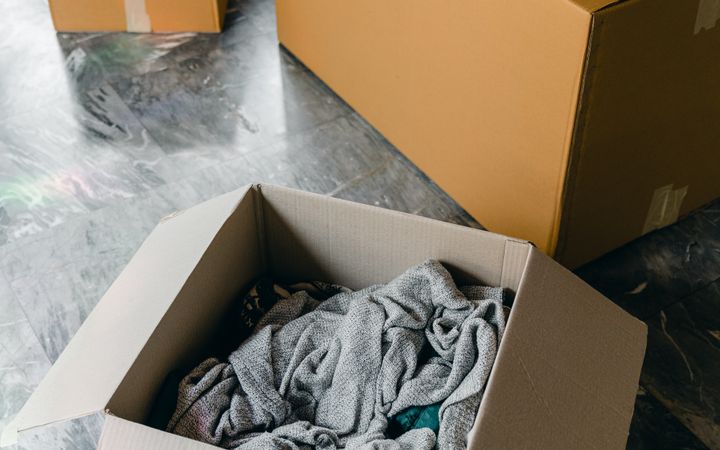
Moving House with Rhinitis: Planning, Packing, and Protection
Moving can stir up dust, smells, and disruption that affect rhinitis symptoms. This article offers practical, non-prescriptive steps to lower exposure and stay comfortable.
Archive
Back to the article hub
Browse more RhinitisRank articles and long-tail education pages.
OpenPractical tools
Move into practical resources
Open tools like the trigger diary, checklists, and visit-prep resources.
OpenQuick assessment
Take the rhinitis quiz
Turn symptoms into a clearer starting point before your next appointment.
Open