

How to Plan a Rhinitis-Friendly Move and Relocation
Moving can raise exposure to dust, odors, and other triggers. Practical planning steps can help reduce disruption for people with rhinitis during packing, transport, and settling in.
In brief
Thoughtful packing, timing, and early cleaning can reduce common triggers during a move. Small preparations help make relocation smoother for people with rhinitis.
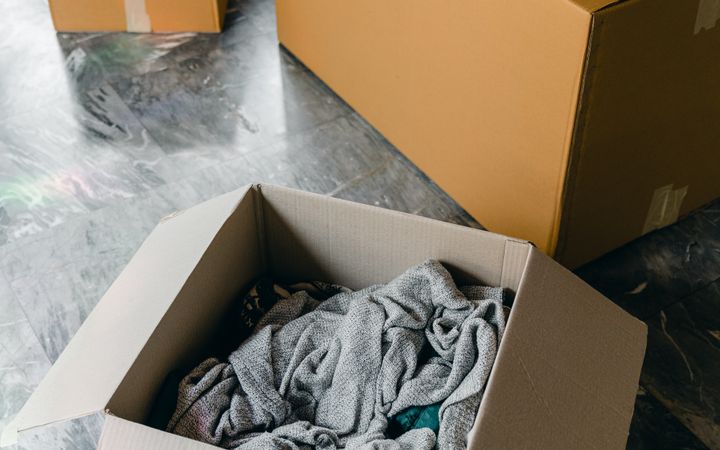
Photo by https://kaboompics.com/ on Pexels
Moving and relocation often stir up dust, mold spores, fumes from boxes or cleaners, and other exposures that people with rhinitis notice. A bit of planning—focused on reducing airborne particles and strong smells—can make the process less disruptive.
Start early by decluttering and washing or sealing soft items like linens and clothing before packing. Consider using sturdy, sealed boxes or plastic bins for items that tend to collect dust, and label boxes so allergy-sensitive belongings are easy to find.
On packing day, work in small sections and wipe down surfaces as you go to limit settled dust. When transporting items, keep containers closed and, if practical, ventilate the vehicle or moving truck to dilute odors from packing materials or cleaners.
When you arrive at the new place, it can help to do an initial wipe-down and air the space before unpacking most items. Unpack essentials first—like bedding and frequently used clothing—so you can sleep and function comfortably while finishing the rest of the move.
If you hire movers or helpers, let them know about sensitivities to dust or strong scents so they can adjust their approach when possible. Keep a small kit with tissues, a water bottle, a change of clothes, and items you find calming within reach during moving and unpacking.
After settling in, run ventilation or an air cleaner if available, and wash linens and soft items you brought in. Keep a short list of what triggered symptoms during the move so you can use those notes for future planning or when arranging cleaning and services for the new home.
Daily articles
Subscribe for daily reads and jump into the latest article now.
Receive RhinitisRank articles by text message and email each day, then head straight to the article library whenever you want a deeper read.

Fresh reading
Educational reads for flare-ups, patterns, and next steps.
Related reading
More articles in this topic cluster
Continue with nearby rhinitis questions, symptom patterns, and follow-up reading.
Moving House with Rhinitis: Planning, Packing, and Protection
Moving can stir up dust, smells, and disruption that affect rhinitis symptoms. This article offers practical, non-prescriptive steps to lower exposure and stay comfortable.

Moving House with Rhinitis: Practical Planning Tips
A move brings packing, transport, and a new indoor environment. Thoughtful planning and simple routines may make moving day and settling in easier for people with rhinitis.

Moving Houses with Rhinitis: Tips for Less Irritation
Practical steps to lower dust and irritant exposure when packing, loading, and settling into a new home. Simple habits and timing choices can ease the move.
Archive
Back to the article hub
Browse more RhinitisRank articles and long-tail education pages.
OpenPractical tools
Move into practical resources
Open tools like the trigger diary, checklists, and visit-prep resources.
OpenQuick assessment
Take the rhinitis quiz
Turn symptoms into a clearer starting point before your next appointment.
Open