
Moving Houses with Rhinitis: Tips for Less Irritation
Moving can stir up dust, mold, and other irritants that affect nasal symptoms. Practical steps during packing, transport, and unpacking can reduce exposure and make the process more comfortable.
In brief
Practical steps to lower dust and irritant exposure when packing, loading, and settling into a new home. Simple habits and timing choices can ease the move.
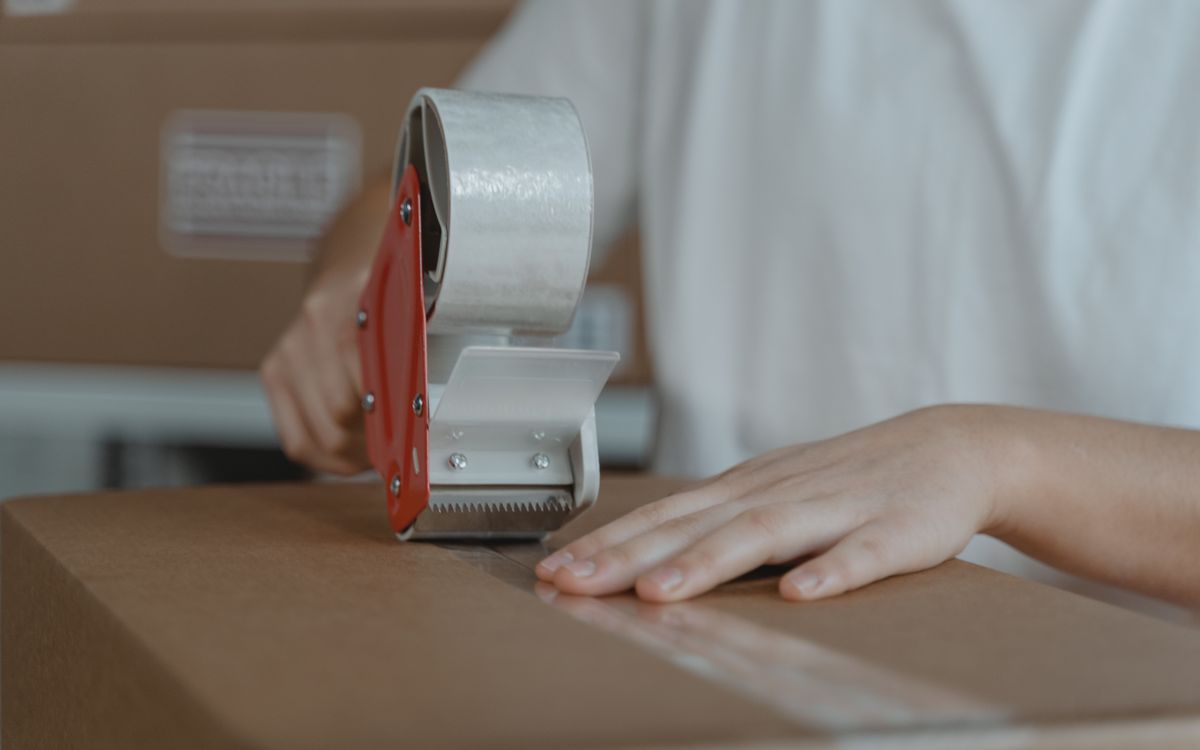
Photo by Tima Miroshnichenko on Pexels
Moving often disturbs dust, hidden debris, and stored materials that can release particles into the air. Those airborne irritants can make nasal symptoms more noticeable during packing, loading, and unpacking. Planning parts of the move with exposure in mind can reduce how much you encounter during the busiest days.
When packing, choose containers with tight lids and seal cardboard boxes where possible to limit dust escape. Wrapping soft items like linens and clothing in plastic or placing them in sealed bags can help keep fibers and settled dust contained. Using a damp cloth to wipe surfaces before boxing items can reduce the amount of loose dust that becomes airborne.
On moving day, aim for short, focused packing and loading sessions rather than long continuous exposure. If practical, have frequently used items packed last and unpacked first so you can settle essential belongings quickly. Simple actions such as keeping vehicle and storage spaces closed when not actively loading can reduce wind-blown dust.
Before unpacking at the new location, consider a surface wipe-down and light cleaning of frequently touched areas to remove settled dust and debris. Running a portable air cleaner while you open boxes or ventilating briefly (if outdoor air quality allows) may help reduce airborne particles. Empty boxes and packing materials outside when possible to prevent bringing extra dust indoors.
Unpack in stages and wash bed linens and frequently handled fabrics soon after moving in. Keep boxes off floors in damp or dusty areas and store sensitive items in sealed containers if you plan longer-term storage. Notice which tasks tend to make symptoms worse and pace those activities; adjusting your approach over a few days can make settling in more manageable.
Daily articles
Subscribe for daily reads and jump into the latest article now.
Receive RhinitisRank articles by text message and email each day, then head straight to the article library whenever you want a deeper read.

Fresh reading
Educational reads for flare-ups, patterns, and next steps.
Related reading
More articles in this topic cluster
Continue with nearby rhinitis questions, symptom patterns, and follow-up reading.
Moving House with Rhinitis: Planning, Packing, and Protection
Moving can stir up dust, smells, and disruption that affect rhinitis symptoms. This article offers practical, non-prescriptive steps to lower exposure and stay comfortable.

Managing Rhinitis When Moving House: Packing, Cleaning, Settling
Moving can stir up dust and odors that affect rhinitis. Learn practical, non-prescriptive steps for packing, cleaning, ventilating, and unpacking to help reduce triggers.

Moving House with Rhinitis: Practical Planning Tips
A move brings packing, transport, and a new indoor environment. Thoughtful planning and simple routines may make moving day and settling in easier for people with rhinitis.
Archive
Back to the article hub
Browse more RhinitisRank articles and long-tail education pages.
OpenPractical tools
Move into practical resources
Open tools like the trigger diary, checklists, and visit-prep resources.
OpenQuick assessment
Take the rhinitis quiz
Turn symptoms into a clearer starting point before your next appointment.
Open