

Managing Rhinitis During Air Travel: Airport and Flight Comfort Tips
Air travel often introduces triggers and discomfort for people with rhinitis. This guide presents practical, non-prescriptive ideas to help you prepare for the airport and stay more comfortable on the plane.
In brief
Practical ideas for airport planning, in-flight comfort, and packing to help manage rhinitis while flying. General tips to consider rather than medical advice.
Airports and airplanes create a mix of factors that can affect nasal comfort: dry cabin air, recycled ventilation, crowded terminals, and changes in cabin pressure. These environmental differences can make symptoms feel more noticeable even if they are present only mildly at other times.
At the airport, pacing your movement and timing can matter for comfort. Some people find it helpful to allow extra time for lines and security, choose quieter seating areas away from busy gates, and limit time in heavily scented shops or busy food courts.
During the flight, staying hydrated and minimizing exposure to drying cabin air are common practical considerations. Many travelers find small, frequent sips of water, a simple face mist, or a saline nasal spray (where allowed) can help keep nasal passages feeling less dry; reactions vary from person to person.
Packing a compact comfort kit can make navigation easier: tissues, a small pack of moisturizing wipes, a spare mask if you use one for comfort, and travel-sized items you usually rely on. Keeping familiar, permitted non-prescription products in your carry-on can reduce stress if symptoms appear while traveling.
Planning and simple communication can also help. Letting travel companions know what makes you more comfortable, checking airline policies about carry-on items, and choosing seats that suit your needs are all ways people commonly prepare. These ideas are general and intended to support planning rather than to guide medical treatment.
Daily articles
Subscribe for daily reads and jump into the latest article now.
Receive RhinitisRank articles by text message and email each day, then head straight to the article library whenever you want a deeper read.

Fresh reading
Educational reads for flare-ups, patterns, and next steps.
Related reading
More articles in this topic cluster
Continue with nearby rhinitis questions, symptom patterns, and follow-up reading.
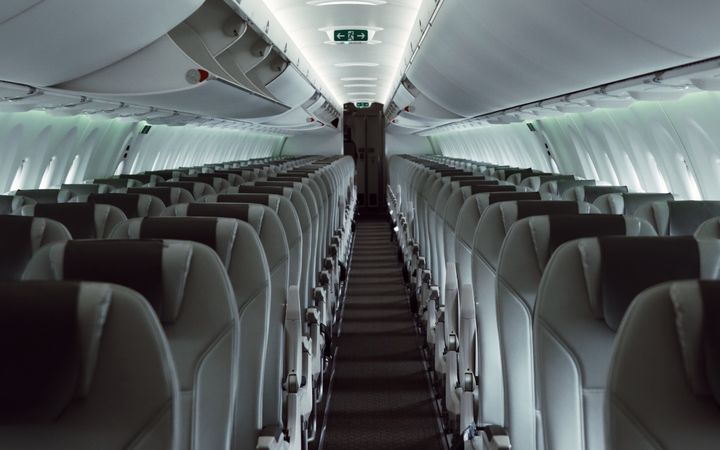
Flying with Rhinitis: In-Flight Comfort and Planning
Prepare for flights by choosing seats, packing nasal-care items, and using simple in-flight habits that many people with rhinitis find helpful.

Flying With Rhinitis: Airport and In-Flight Comfort Tips
Travel with fewer surprises: plan seating and pack a compact comfort kit to help with dry air, crowds, and airport triggers when you have rhinitis.

Flying with Rhinitis: Air Travel Comfort Tips
Airports and airplanes present unique rhinitis challenges. This article offers general, non-prescriptive ideas for planning, packing, and in-flight comfort.
Archive
Back to the article hub
Browse more RhinitisRank articles and long-tail education pages.
OpenPractical tools
Move into practical resources
Open tools like the trigger diary, checklists, and visit-prep resources.
OpenQuick assessment
Take the rhinitis quiz
Turn symptoms into a clearer starting point before your next appointment.
Open